


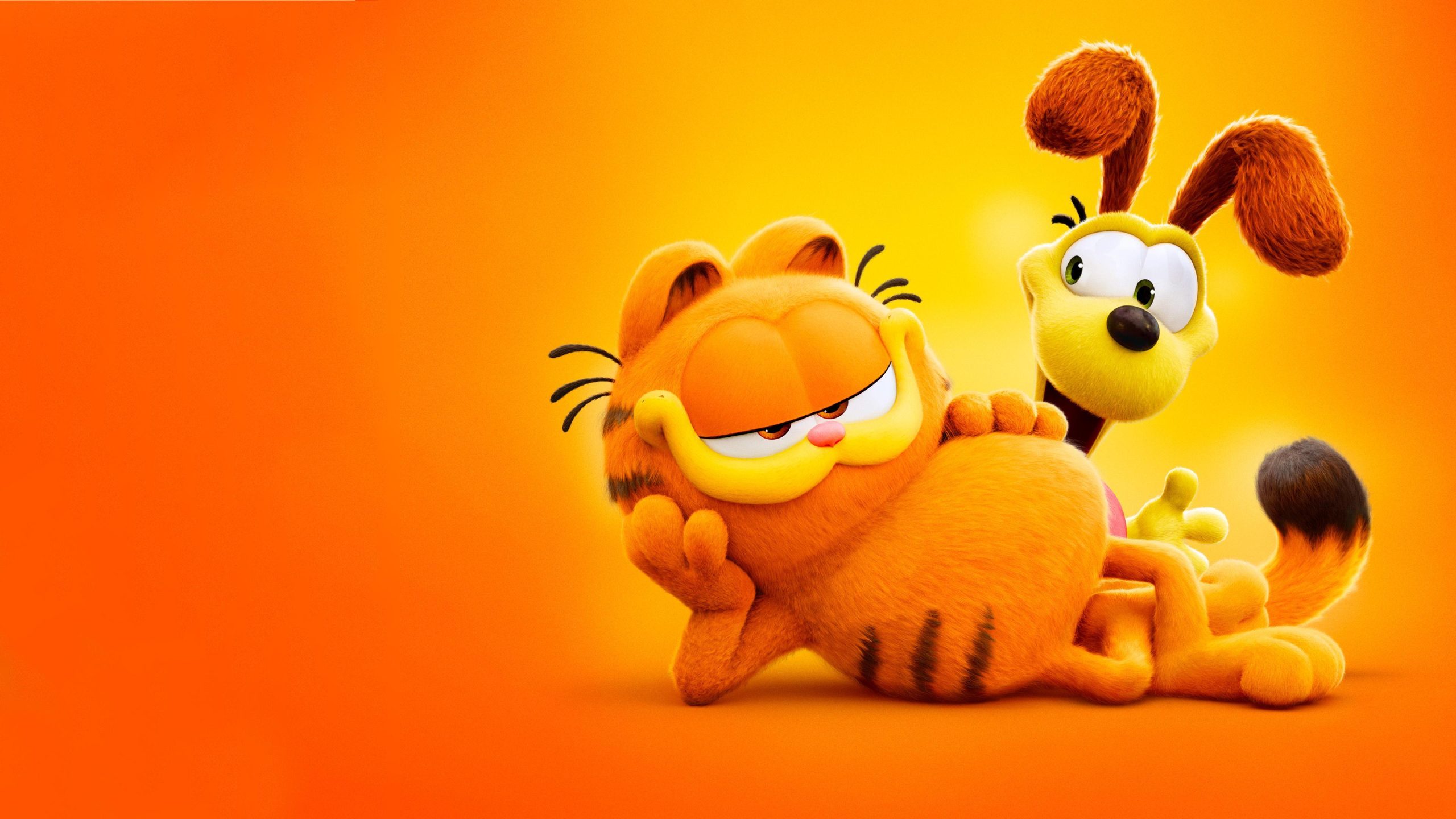
When it comes to dominating entertainment, cats have proven they’re more than just internet sensations, they’re cultural icons who’ve shaped decades of film, television, and digital media. From the lasagna-loving orange tabby who hates Mondays to the alien “Flerken” who stole scenes in a Marvel blockbuster, these memorable felines have left permanent paw prints on popular culture.
The Orange Cat Who Started It All
Jim Davis created Garfield on June 19, 1978, and the rotund feline quickly became a worldwide phenomenon. The fat, lazy, Monday-hating cat with a penchant for lasagna was designed to be relatable, a “human in a cat suit” expressing universal desires like staying in bed when life demands action. By the early 1980s, Garfield was syndicated in hundreds of newspapers and generating millions in merchandise dollars. The character held the Guinness World Record for being the world’s most widely syndicated comic strip, appearing in roughly 2,580 newspapers and journals by 2013. From Emmy-winning television specials to feature films starring Bill Murray’s voice, Garfield remains synonymous with conspicuous consumption and self-care before the term became trendy.
The Pioneer Who Walked First
Before Garfield ever graced a comic strip, Felix the Cat was capturing hearts in 1919. Created by Otto Messmer during the silent film era, Felix became one of the first fully realized recurring animal characters in American film animation. With his black body, white eyes, and giant grin, Felix pioneered cartoon tropes still recognized today. His popularity soared through the 1920s, appearing on merchandise from toys to postcards, and even serving as the test model during NBC’s first-ever television transmission. Felix proved that animated cats could be superstars, earning a place on the Hollywood Walk of Fame in 1958.
The Cats Who Made Television Home
Television brought cats directly into living rooms, and Salem Saberhagen became a household name through “Sabrina the Teenage Witch” (1996-2003). This sarcastic black cat, voiced by Nick Bakay, was actually a warlock sentenced to 100 years as a feline for attempting world domination. Salem’s sharp wit and megalomaniacal plotting made him more than just a sidekick, he became the source of the show’s best one-liners. The character has been canonized as bisexual by fans, adding another layer to his cultural significance.
Meanwhile, Tom from “Tom and Jerry” has been chasing his nemesis since 1940. Created by William Hanna and Joseph Barbera, the gray and white tuxedo cat became part of one of animation’s most iconic duos. The series won seven Academy Awards for Best Animated Short Film during its initial run, tying with Walt Disney’s “Silly Symphonies” for the most awards in the category. Tom’s perpetual failures and slapstick resilience have entertained generations across multiple revivals.
The Felines Who Redefined Cinema
Disney’s Cheshire Cat from “Alice’s Adventures in Wonderland” (1951) brought Lewis Carroll’s enigmatic character to vibrant life with his pink and purple stripes and mischievous grin. His famous declaration, “We’re all mad here” became shorthand for embracing eccentricity and the absurdities of life. The phrase predates Carroll’s 1865 book, but the cat’s ability to vanish slowly, leaving only his grin, has become an enduring symbol of mystery in popular culture.
Puss in Boots made his debut in “Shrek 2” (2004) and quickly became a fan favorite. Voiced by Antonio Banderas in English, Spanish, and Italian, this swashbuckling feline inspired by Zorro and James Bond proved so popular he earned his own spin-off film in 2011. Banderas has noted that Puss represents something crucial, a heroic character with an accent, providing representation for children who don’t often see heroes who sound like them. The character’s 2022 sequel, “Puss in Boots: The Last Wish,” earned an Oscar nomination, cementing his place in animation history.
The Alien Cat Who Fooled Everyone
Goose stole the show in “Captain Marvel” (2019), but this orange tabby harbored a secret. Despite appearing to be a normal house cat, Goose is actually a Flerken—an alien species with tentacles in their mouths and the ability to store objects in pocket dimensions. Played by four different cats (Reggie, Rizzo, Gonzo, and Archie), Goose scratched out Nick Fury’s eye and swallowed the Tesseract, proving essential to the Marvel Cinematic Universe. Marvel Studios president Kevin Feige insisted on increasing Goose’s role by “at least 200%,” recognizing the cat’s audience appeal.
The Icon Who Isn’t Actually a Cat
Hello Kitty debuted in 1974 on a vinyl coin purse and evolved into a $5 billion annual phenomenon by 2010. Created by Yuko Shimizu for the Japanese company Sanrio, Hello Kitty, whose real name is Kitty White, became the face of Japanese “kawaii” (cute) culture. Surprisingly, Sanrio has clarified that Hello Kitty isn’t a cat at all but a British third-grader who lives in London and even has her own pet cat named Charmmy Kitty. She has served as UNICEF’s children’s ambassador and Japan’s tourism ambassador, representing the country’s post-World War II cultural reinvention.
The Internet’s Grumpy Ambassador
Grumpy Cat, whose real name was Tardar Sauce, became an internet sensation in September 2012 when photos posted on Reddit garnered over a million views within 48 hours. Her permanently disgruntled expression, caused by feline dwarfism and an underbite, perfectly captured everyday frustrations and cynical humor. Grumpy Cat’s brand generated an estimated $99.5 million, spawning books that reached The New York Times bestseller list, a Lifetime Christmas movie, and merchandise deals including the infamous “Grumppuccino” coffee. When she passed away in 2019 at age seven, Grumpy Cat left behind 8.5 million Facebook followers and a legacy as one of the first viral pet influencers.
The Legacy Continues
From silent film stars to Marvel superheroes, cats have demonstrated remarkable staying power in entertainment. Whether through their independence, mystery, humor, or sheer adorability, these felines have transcended their roles as characters to become cultural symbols. They’ve sold billions in merchandise, won Academy Awards, and brought joy to millions across generations and continents.
These iconic cats prove that in the ever-evolving landscape of pop culture, sometimes the most memorable stars are the ones with whiskers, paws, and an attitude that demands attention. From Garfield’s lazy cynicism to Goose’s alien surprises, cats have ruled entertainment not by conforming to expectations, but by being unapologetically, magnificently feline and audiences worldwide wouldn’t have it any other way.
By – Sonali