


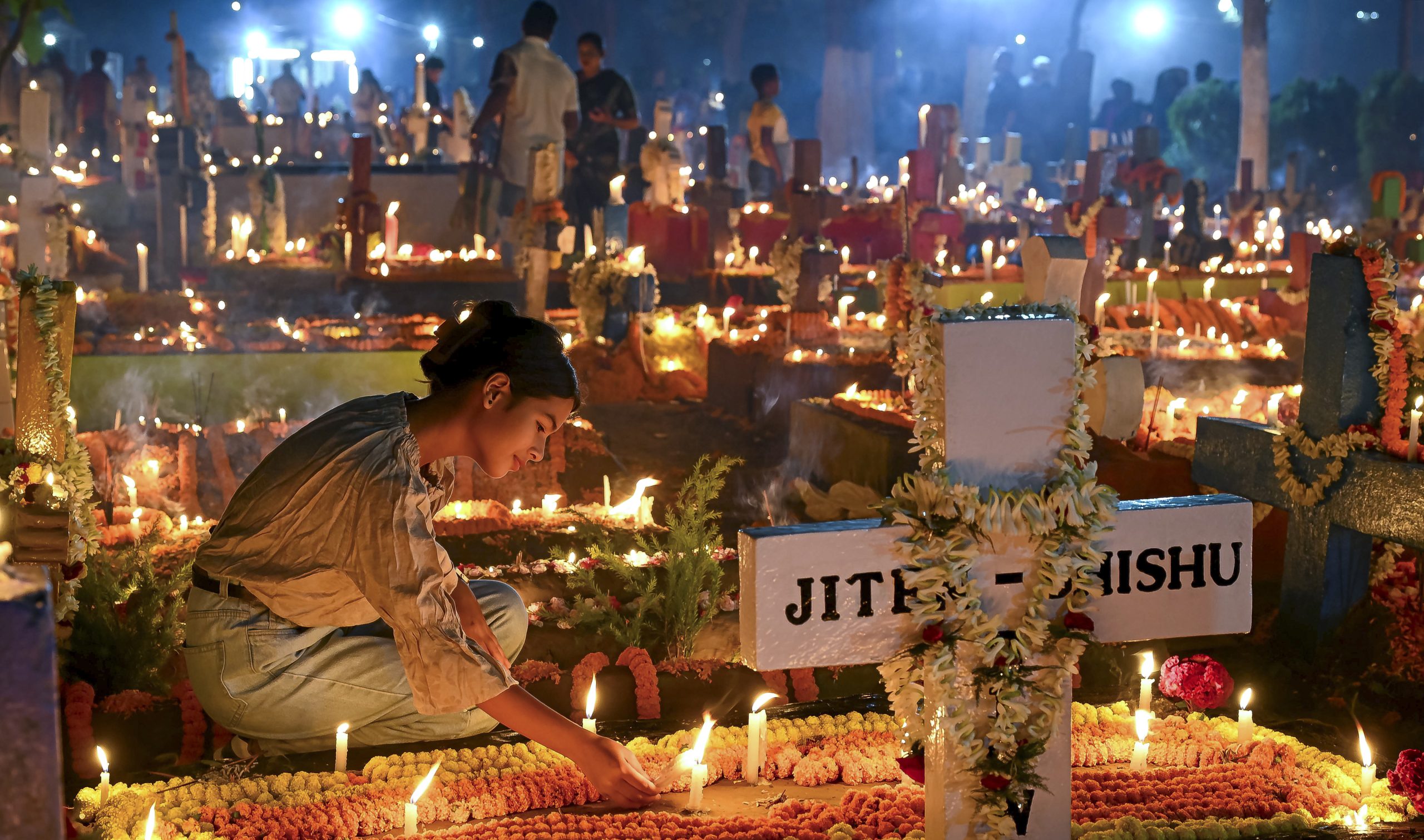
All Souls’ Day, observed annually on November 2, is a solemn Christian commemoration dedicated to praying for the souls of the faithful departed who are believed to be in Purgatory, undergoing purification before entering Heaven. Rooted in Catholic tradition and recognized by many Christian denominations, the day follows All Saints’ Day (November 1) and emphasizes mercy, hope, and communal grief. In 2025, falling on a Sunday, it invites millions worldwide—from candlelit cemeteries in Mexico to quiet Masses in India—to reflect on mortality and eternal life. Amid a global population of 2.4 billion Christians and 467 million social media users sharing tributes, All Souls’ Day bridges the living and the dead in a timeless ritual of love and intercession.
The Origins: A Tradition Born from Ancient Grief
The practice traces to the 7th century, when monks prayed for the dead on October 13, but it was formalized in 998 AD by St. Odilo of Cluny, who designated November 2 for all Benedictine monasteries. By the 14th century, Pope Sixtus IV extended it universally. Influenced by Jewish customs of mourning (Kaddish prayers) and pagan ancestor veneration, it evolved into a day of Masses, cemetery visits, and almsgiving. The Catechism of the Catholic Church (CCC 1032) underscores praying for the dead as a “holy and pious thought,” rooted in 2 Maccabees 12:46. In India, where 28 million Christians blend it with local rites, families light oil lamps and offer pinda (rice balls) at graves, merging faith with cultural reverence.
Rituals and Global Observances: From Candles to Cemeteries
Central to All Souls’ Day are Requiem Masses, where priests in black vestments offer the Eucharist for souls’ repose. Families visit graves, adorning them with chrysanthemums (Europe’s “flower of the dead”), marigolds (Mexico’s Día de los Muertos overlap), or jasmine garlands (India). In the Philippines, “undas” sees millions at cemeteries with picnics and overnight vigils; Poland’s “Zaduszki” features poetic recitals. The Vatican grants plenary indulgences for visiting churches and praying the Our Father. In 2025, digital trends see #AllSoulsDay trending with 500K X posts—virtual candles on apps like Eternal Rest and AI-generated tributes honoring lost loved ones.
Theological Depth: Purgatory, Prayer, and Hope
Unlike All Saints’ Day for canonized heroes, All Souls’ focuses on ordinary souls in Purgatory—a state of cleansing fire (1 Corinthians 3:15). Theologians like St. Augustine viewed prayers as “spiritual alms” speeding purification. Pope Francis, in his 2025 All Souls’ homily at Rome’s Laurentino Cemetery, urged, “Remember the dead not with sadness alone, but with the certainty of resurrection.” Amid secular grief culture, it offers solace: 70% of bereaved find comfort in rituals (2025 Pew study), countering isolation in a post-pandemic world.
A Day of Eternal Bonds: Grief Transformed into Grace
All Souls’ Day isn’t mourning’s end—it’s mercy’s bridge. As candles flicker and prayers rise on November 2, it whispers: Can love outlast the grave? Faith’s fervent yes unites generations, illuminating souls in eternity’s gentle glow.
-By Manoj H