


Picture this: The banks of the sacred Ganges glow with over a million earthen lamps, their golden flames dancing in perfect synchrony with the chants of devoted pilgrims. The night sky shimmers with an ethereal glow as if the stars themselves have descended to kiss the holy waters of Varanasi. This is not a scene from mythological texts alone; this is the mesmerizing reality of Karthika Purnima, celebrated as Dev Deepawali, the festival where humans believe the gods themselves come to celebrate.
Understanding Karthika Purnima: The Holy Full Moon
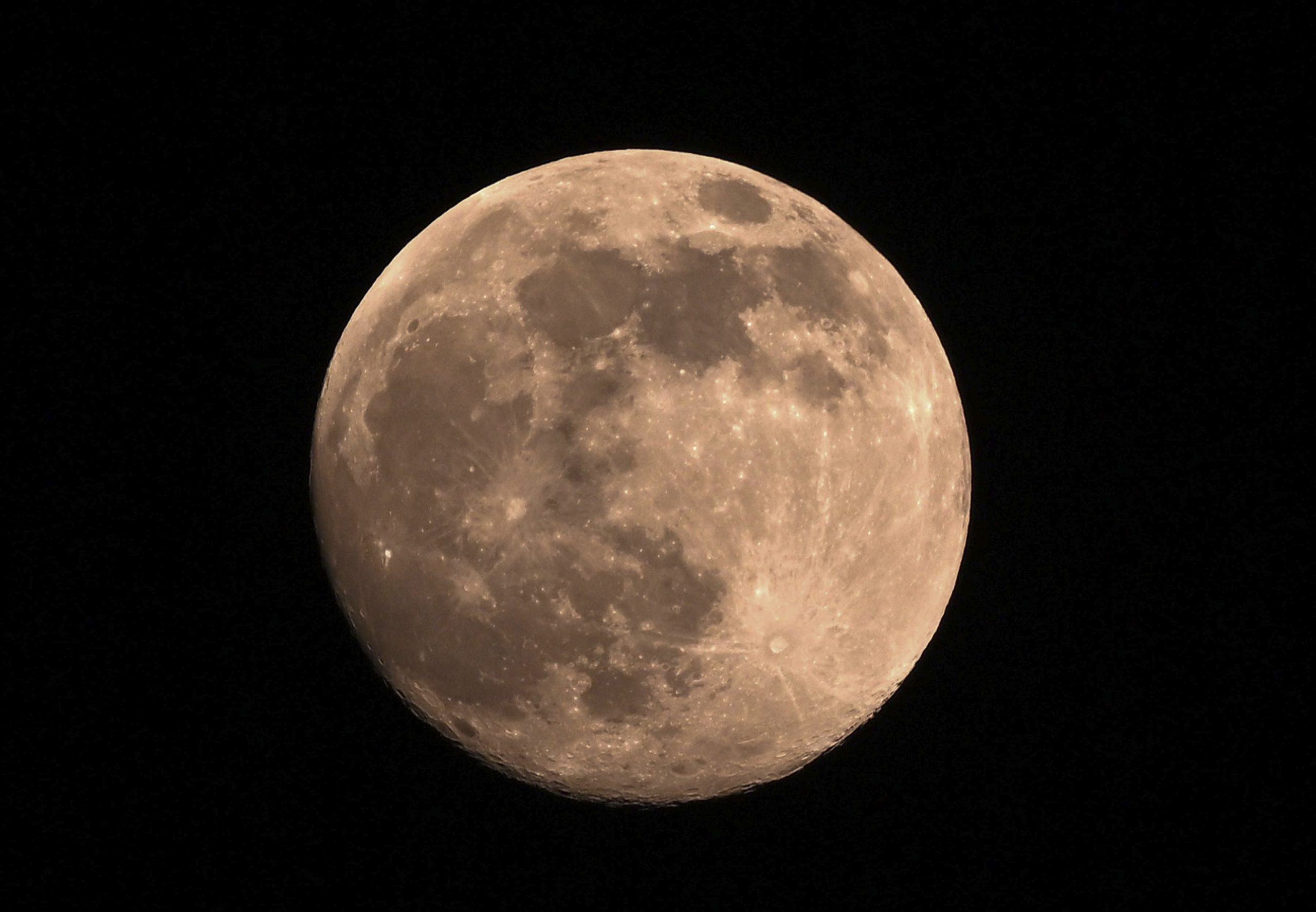
Karthika Purnima, also known as Tripura Purnima or Deva-Deepavali, falls on the full moon (Purnima) of the Hindu month of Kartika, occurring approximately 15 days after the festival of Diwali. In 2025, this auspicious night will illuminate the calendars on November 5th, marking one of the most spiritually significant days in the Hindu calendar. The Kartik month itself is considered the holiest lunar month, a period when spiritual energy reaches its zenith and the universe transitions into a state ideal for spiritual practices.
The Mythological Tale Behind the Celebration
At the heart of Karthika Purnima lies a powerful tale of cosmic victory. According to Hindu mythology, the demon Tripurasura, alongside his brothers Vidyunmali and Tarakaksha, had constructed three invincible celestial cities and spread chaos across the universe, terrorizing both gods and mortals. Desperate for salvation, the deities turned to Lord Shiva, their supreme protector. In a moment of divine triumph, Shiva transformed into Tripurantaka and launched a single flaming arrow that simultaneously destroyed all three cities, restoring cosmic balance and ushering in victory of good over evil.
The gods, witnessing this glorious victory, lit millions of lamps to commemorate the occasion, a tradition that continues to illuminate the nights of Karthika Purnima millennia later. This is why the festival has earned the poetic title “Deva-Deepavali” literally translating to “the Diwali of the Gods.”
Beyond Varanasi: The Multi-Faceted Significance
While Dev Deepawali has become synonymous with Varanasi’s grand spectacle, Karthika Purnima carries diverse significance across India’s cultural landscape. The day marks the birth anniversary of Lord Kartikeya (also known as Murugan), the divine commander of the gods and son of Shiva and Parvati, particularly venerated in southern India. For the Sikh community, it represents the birth anniversary of Guru Nanak Dev Ji, the founder of Sikhism, celebrated with prayers, processions, and community meals (langars) at Gurdwaras. For Jains, this day commemorates Gautama Swami’s attainment of kevalgyan (omniscience), while Vaishnavas associate it with the sacred Tulsi Vivaha, the ceremonial marriage of the holy basil plant to Lord Vishnu, believed to bestow prosperity and spiritual cleansing.
The Sacred Rituals: Kartik Snan and Deepdaan
The observance of Karthika Purnima is anchored in two profound rituals: Kartik Snan and Deepdaan. Kartik Snan refers to the ritual of bathing in holy rivers, particularly the Ganges at Varanasi, an act believed to purify the soul and absolve one of sins accumulated over lifetimes. Devotees wake before dawn and perform ceremonial dips, a practice considered equivalent to performing hundreds of Ashvamedha sacrifices in terms of spiritual merit.
As evening descends, the magnificent ritual of Deepdaan unfolds. Thousands of earthen lamps (diyas) are lit across temples, homes, ghats, and riverbanks, symbolizing the triumph of light over darkness. In Varanasi alone, over 84 ghats burst into luminescence, each adorned with countless flickering lamps that create an otherworldly landscape reflected in the Ganges’ sacred waters. The Ganga Aarti, the ceremonial worship of the river, accompanies these rituals, filling the air with ancient Vedic chants and the resonance of temple bells.
A Festival Transcending Boundaries
What makes Karthika Purnima and Dev Deepawali truly remarkable is their universal appeal. This sacred night welcomes devotees of all faiths, tourists from across the globe, and spiritual seekers, all united in witnessing the triumph of divine light. It stands as a testament to India’s rich spiritual heritage and the timeless belief that light, whether physical or spiritual, eternally vanquishes darkness.
As the full moon illuminates the night and millions of diyas flicker in homage, one realizes that Karthika Purnima is not merely a festival, it is a celebration of hope, faith, and the eternal human desire to align with the divine. In the glow of these sacred flames, heaven and earth unite in a timeless dance of devotion, reminding us that even in the darkest nights, light will always find a way to shine.
By – Sonali