


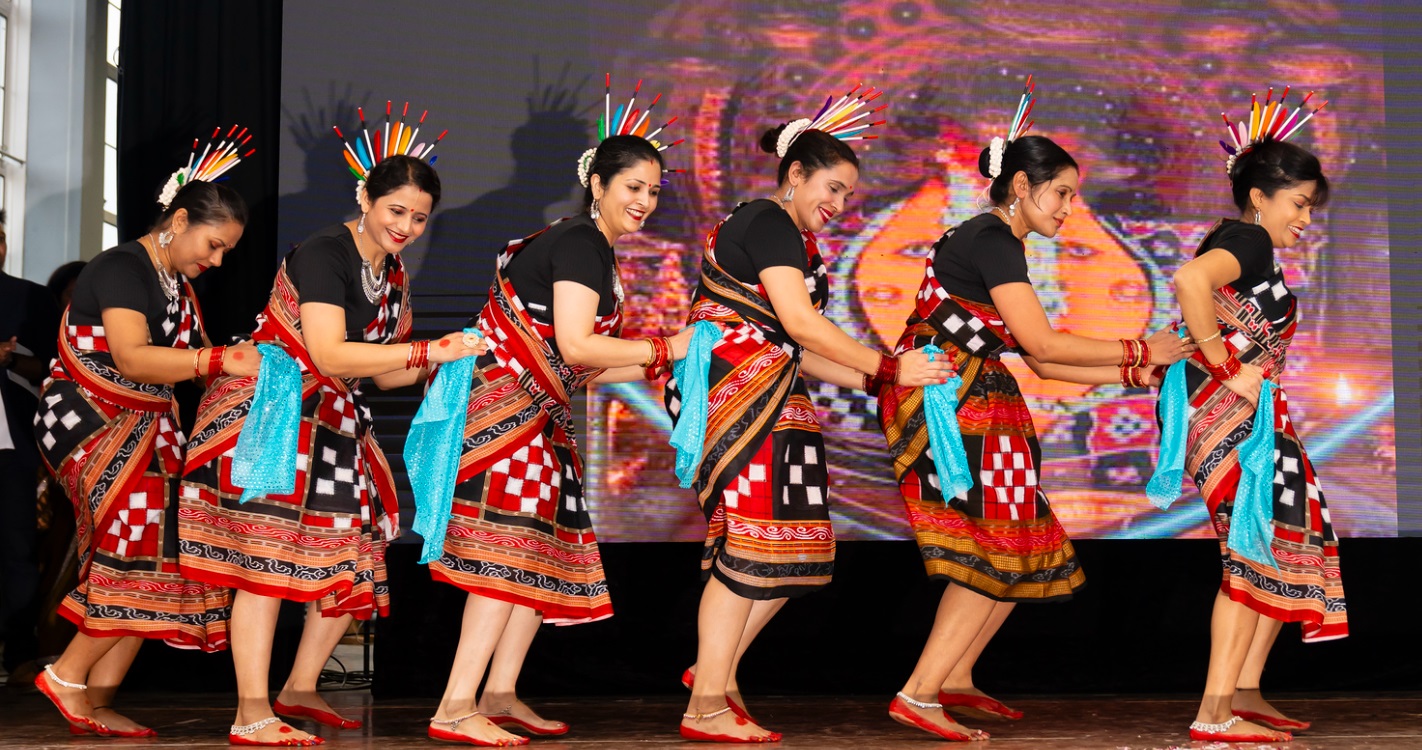
Bali Jatra, meaning “Voyage to Bali,” stands as one of Asia’s largest open-air trade fairs, commemorating Odisha’s rich maritime history and the extraordinary seafaring spirit of ancient traders known as Sadhabas. Held annually on the banks of the Mahanadi River in Cuttack, this iconic festival transforms into a vibrant celebration of trade, culture, and tradition, drawing millions of visitors from across the nation and the world. The 2025 edition, which commenced on November 5, is expected to attract over 75 lakh visitors throughout its duration.
Historical Roots of Maritime Excellence
The origins of Bali Jatra trace back to the thriving maritime trade of the Kalinga Empire during ancient and medieval times. The Sadhabas, skilled mariners and traders of Kalinga, navigated vast stretches of the Bay of Bengal and established robust trade networks with Southeast Asian islands including Bali, Java, Sumatra, Borneo, and Sri Lanka. These adventurous voyages were undertaken using sturdy vessels called Boitas, crafted from locally sourced teak and sal wood, which were capable of withstanding long oceanic journeys.
The significance of these voyages extended far beyond mere commerce. Trade and cultural exchange during this era encompassed the transmission of Indian scripts, rituals, temple architecture, and philosophical traditions to Southeast Asian regions. The flourishing Hindu-Buddhist cultural syncretism visible in Bali today can be traced directly to these early interactions between Odia mariners and island communities. The ‘Masakapan ke Tukad’ festival celebrated in Bali mirrors the Bali Jatra festival in Odisha, both commemorating maritime ancestors.
Timing and Traditional Observance
Bali Jatra is celebrated on Kartika Purnima, the full moon day of the Hindu lunar month Kartika, typically falling in October-November. This specific date holds particular significance as it marks the auspicious day when ancient Sadhabas would embark on their voyages to distant lands, taking advantage of favorable winds during the monsoon season. The festival continues for approximately seven days until Prathamastami, transforming the Cuttack riverside into a sprawling fairground of culture, commerce, and celebration.
The Sacred Ritual of Boita Bandana
Central to Bali Jatra is the symbolic ritual of Boita Bandana, or boat worship, which remains the festival’s most emotionally resonant tradition. Devotees craft miniature boats from colored paper, dried banana tree barks, cork, and sholapith (sponge wood), placing traditional paan and small oil lamps inside them. These illuminated vessels are floated on water bodies: rivers, ponds, and tanks creating a breathtaking spectacle of lights reflecting on water.
During the 2025 edition, this tradition reached new heights when the administration floated 21,000 sal-leaf miniature boats, crafted by over 100 tribal artisans from Mayurbhanj’s Thakurmunda clusters, symbolizing the Boita Bandana tradition on opening day. This ritual carries deep cultural and emotional significance, symbolizing safe journeys and honoring the memory of ancient traders who ventured across treacherous seas.
Modern Festival Experience and Trade Fair
In contemporary times, Bali Jatra has evolved into a comprehensive festival featuring thousands of stalls sprawling across 60 acres. The 2025 celebration showcases 2,500 stalls, including 530 organized by ORMAS, showcasing Odisha’s finest handicrafts, textiles, artifacts, and traditional delicacies. Visitors encounter an eclectic mix of traditional and modern attractions: toy stalls, giant wheels, games, cultural performances, and food vendors serving authentic Odia cuisine including Cuttack Dahibara Aludum, Thunka puri, Kulfi, Gupchup, and Mathura Cake.
International Recognition and Diplomatic Significance
Bali Jatra has transcended its regional boundaries to gain international recognition. The 2024 edition witnessed unprecedented global participation, with diplomats, ambassadors, and high commissioners from 14 countries attending the festival. In a symbolic revival of ancient trade voyages, international dignitaries were taken on boat rides across the Mahanadi River in traditional vessels named after the region’s major rivers. Cultural troupes from Thailand, Nepal, Sri Lanka, Slovakia, Indonesia, and Bhutan enriched the event with performances highlighting shared cultural heritage.
Prime Minister Narendra Modi himself mentioned the grandeur of Bali Jatra during his G20 speech in Bali, underscoring its global significance. The festival now serves as a platform for India’s Act East Policy, reinforcing Odisha’s role as a bridge between India and Southeast Asia while fostering international cultural diplomacy.
Legacy and Future Vision
Chief Minister Mohan Charan Majhi has announced the state government’s commitment to developing Bali Jatra into an international cultural and trade destination with increased financial support and improved facilities. Plans for the Barabati Fort corridor development project have also been initiated to enhance the festival infrastructure. With over 5 lakh visitors on the opening day of the 2025 edition alone, Bali Jatra continues to stand as a living testament to Odisha’s maritime heritage and entrepreneurial spirit.
Bali Jatra remains more than just a festival, it is a celebration of courage, exploration, and cultural exchange, keeping alive the memories of the Sadhabas while simultaneously adapting to modern sensibilities to ensure its relevance for future generations.
By – Sonali