


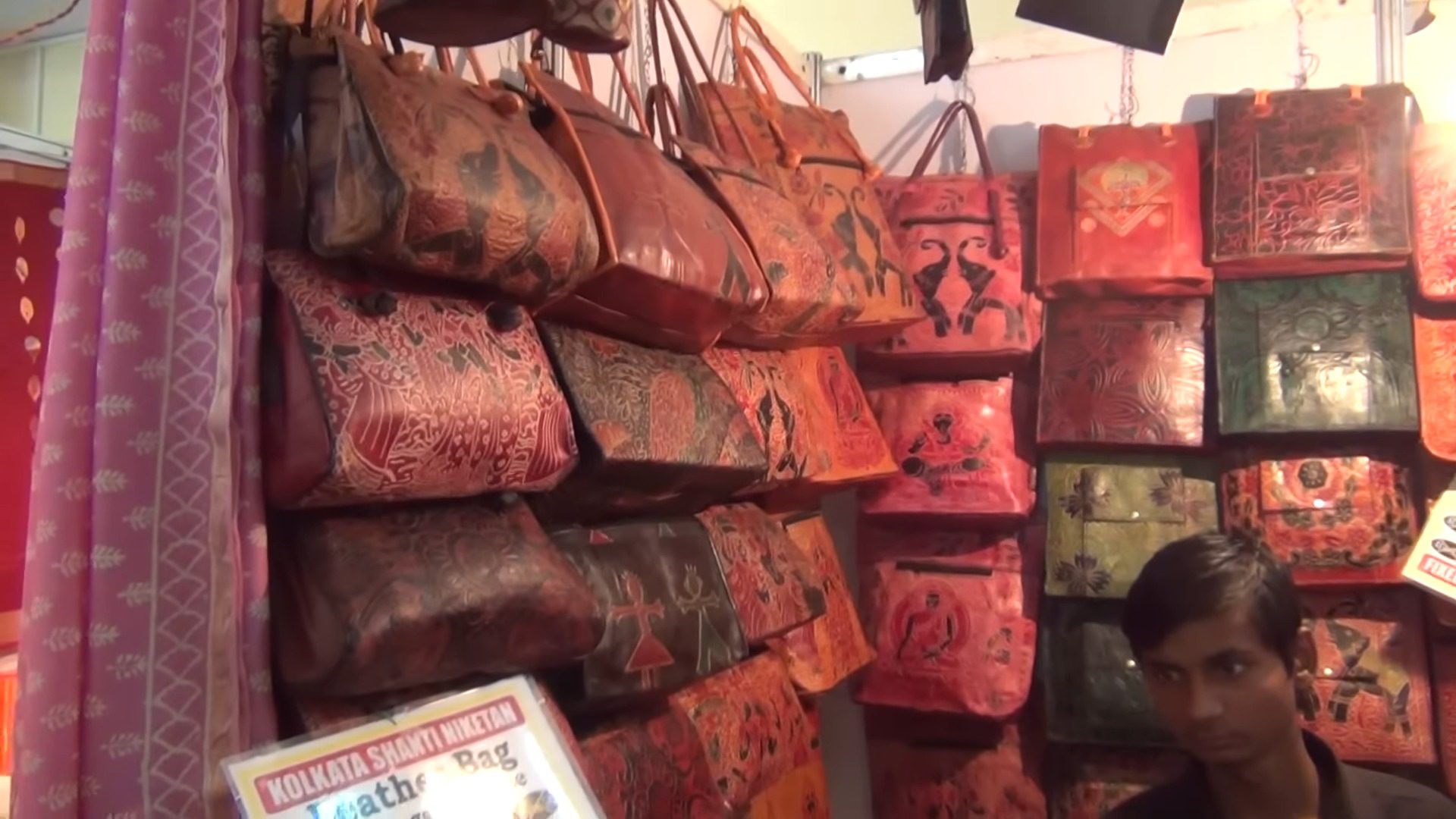
Santiniketan, nestled in the heart of Bengal, is renowned not just for its cultural legacy but also for its unique leather craft, a tradition that has seamlessly woven creativity and commercial appeal over the decades. Santiniketan Leather Goods, with their vibrant motifs and artisanal charm, continue to captivate local and global markets, turning everyday accessories into pieces of living art.
Origins: An Artistic Revolution Turns to Craft
Santiniketan’s journey as a center of artistic innovation began with Rabindranath Tagore’s vision to link creativity and education, forming the bedrock for what would become Visva-Bharati University. This emphasis on shilpa shiksha (art education) blossomed into hands-on initiatives, one such being the development of distinctive leather goods by local artisans influenced by the ethos of the university. These crafts were not merely commercial products but expressions of Bengal’s folk aesthetics, nature-inspired motifs, and evolving modern sensibilities, a blend found nowhere else.
The Distinctive Santiniketan Touch
What sets Santiniketan Leather Goods apart is their unique technique: the batik-style wax resist dyeing and hand painting of leather. Artisans typically use locally sourced leather, which undergoes meticulous preparation before being worked on. Bags, wallets, folders, and footwear feature bold colors and playful motifs: lotus, peacock, terracotta tiles, and tribal art all bearing echoes of Tagore’s fascination for rural India and its artistic forms.
Unlike factory-made accessories, each Santiniketan leather bag or wallet is a handmade piece, marked by small imperfections that add to its authenticity. The process itself sketching, dyeing, waxing, and sun-drying—requires patience and skill, often spanning several days for a single item.
Economic Empowerment: Artisan Communities Thrive
Over the past decades, Santiniketan Leather Goods have transitioned from being local souvenirs to globally recognized handicrafts, empowering hundreds of artisans, especially women, in rural Bengal. The craft has become a viable source of income, supported by cooperatives and NGOs working to train and uplift marginalized communities.
The industry operates largely on small-scale production units, many of which are family-run. Despite challenges such as competition from machine-made goods and fluctuating raw material prices, the sector continues to thrive owing to its authenticity and sustainable fashion appeal.
Export Boom and Market Trends
Santiniketan Leather Goods have found admirers across the world, with exports reaching countries like Japan, France, Germany, and the United States. Buyers often seek out the products for their eco-friendly production and artisanal value, aligning with the growing global shift towards sustainable luxury and ethical consumerism.
Seasonal designs and limited editions, coupled with e-commerce and digital marketing, have boosted visibility. Recent trends show demand not just for classic handbags but also laptop folders, sling bags, and accessories that suit contemporary city lifestyles without losing the craft’s rustic charm.
Challenges and Innovations
However, survival in a competitive marketplace demands constant innovation. Artisans are experimenting with new designs, collaborations with urban artists, and even merging the Santiniketan style with other Indian crafts. Training workshops, design schools, and government initiatives like Geographical Indication (GI) tags have safeguarded the brand’s reputation and helped fight counterfeiting.
Despite such efforts, artisans still face hurdles such as lack of direct market access, fluctuating demand, and the need for technological upskilling. Organizations, aware of these pains, are seeking new ways of promoting social media campaigns, pop-up exhibitions, and partnerships with lifestyle brands.
Cultural Echo: More Than Just a Handbag
Owning a Santiniketan leather item today is more than a matter of style; it is an assertion of support for heritage and craftsmanship. Whether bought from a bustling crafts fair in Kolkata or ordered online, these products carry a slice of Bengal’s artistic story, stitched into every seam and color.
Looking Ahead
As global consumers increasingly seek connection with their purchases, Santiniketan Leather Goods stands poised for renewed relevance. The blend of traditional technique and contemporary design could help these small-scale artisans become iconic representatives of India’s craft resurgence.
In a world shifting rapidly between machine-made monotony and creative renewal, every Santiniketan bag is a reminder: some stories are best carried by hand-painted, stitched, and crafted with heart.
By – Sonali