


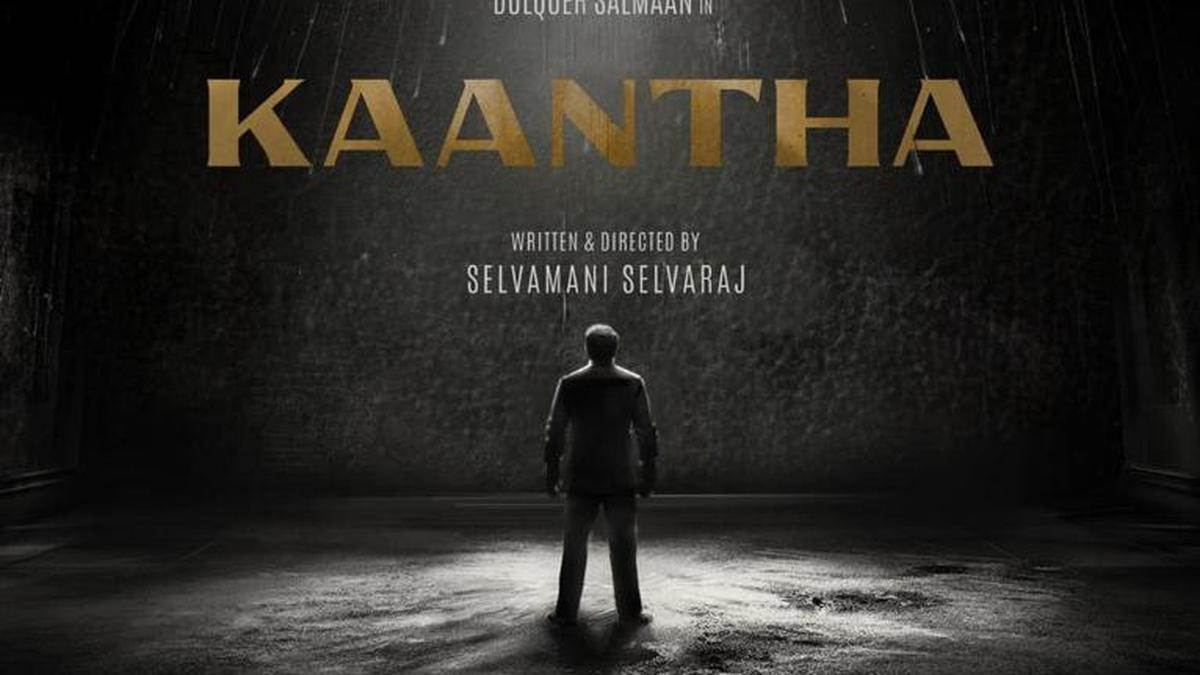
Dulquer Salmaan’s highly anticipated period drama Kaantha has landed in hot water just three days before its scheduled November 14, 2025, release, as the Madras High Court issued notices to the actor, co-producer Rana Daggubati, and the production team. The legal storm brews from a petition filed by Thiagarajan, grandson of Tamil cinema icon M.K. Thyagaraja Bhagavathar, who alleges the film defames his grandfather’s legacy by portraying a character inspired by him without permission. Seeking a permanent injunction against the film’s theatrical debut, distribution, and digital streaming, the plea claims the depiction casts Bhagavathar as “immoral and impoverished,” violating personal rights. The court has directed responses by November 18, casting a shadow over the multilingual release in Tamil, Telugu, Malayalam, Kannada, and Hindi.
The Core Complaint: Fictional Facade or Factual Slight?
Thiagarajan argues that Kaantha, directed by Selvamani Selvaraj and co-produced by Dulquer under Wayfarer Films and Rana’s Spirit Media, draws heavily from Bhagavathar’s real-life rise and fall in 1950s Madras cinema. The story follows a legendary director (Samuthirakani) and his protégé actor (Dulquer) whose ego-fueled rivalry renames a women-centric film from “Shaantha” to “Kaantha,” mirroring Bhagavathar’s alleged influence on projects like Chandralekha (1948). “The filmmakers needed consent from legal heirs—none was sought,” the petition states, accusing the narrative of defamation by implying moral lapses and financial ruin. Bhagavathar, Tamil cinema’s first superstar, died in 1979 after a controversial imprisonment for alleged black-market dealings, a chapter the family claims is sensationalized here.
Dulquer’s Defense: Fiction, Not Fact
Dulquer, in pre-release interviews, has maintained Kaantha is “entirely fictional,” loosely inspired by 1950s Madras but not biopic-bound. “It’s a tale of ambition and betrayal in cinema’s golden age—no real persons depicted,” he clarified during a Chennai press meet. Co-star Samuthirakani echoed: “We honor the era, not individuals.” The production, budgeted at ₹50 crore with Rana in a pivotal role and Bhagyashri Borse as the female lead, features stunning visuals and a score evoking the period’s magic. Yet, the timing—mere days from premiere—threatens delays, echoing Kurup (2021)’s legal woes over portraying a living criminal.
Fan Frenzy and Industry Echoes
Social media split: “Kaantha’s story sounds epic—don’t ban art for inspiration!” fans rallied with 800K #ReleaseKaantha posts, while purists decried “legacy exploitation.” In Tamil cinema’s 780-language legacy, where biopics like Mahanati (2018) navigated sensitivities, Kaantha tests fiction’s freedoms. As the November 18 hearing looms, the film’s fate hangs in balance, turning hype into heartache.
A Premiere in Peril: Fiction’s Fiery Fight
Kaantha’s court clash isn’t censorship—it’s crossroads. As Dulquer’s drama dances on defamation’s edge, it probes: Can inspiration infringe? The verdict’s verdict will echo, scripting cinema’s next chapter where legacies clash in law’s unyielding lens.
-By Manoj H