


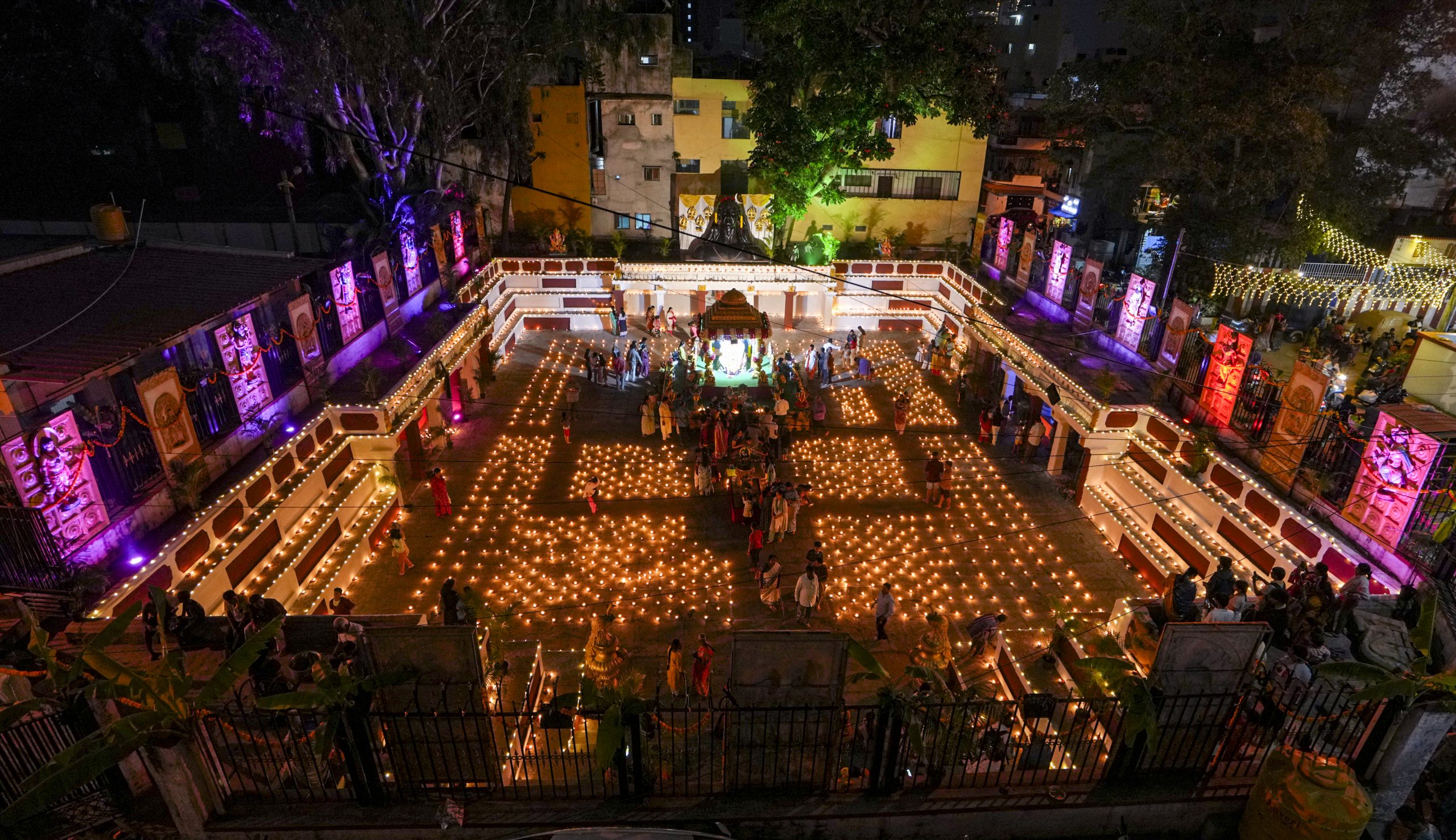
The ancient temples of Karnataka are preparing for their most enchanting spectacle. From November 15 to November 20, 2025, the sacred Sri Manjunatha Temple in Dharmasthala will transform into a luminous sanctuary as the revered Laksha Deepotsava, the Festival of One Lakh Lights, unfolds its spiritual magic once again. This six-day celebration stands as a testament to the triumph of knowledge over ignorance, drawing thousands of devotees and curious travelers from across India and beyond to witness an ethereal sea of flickering flames.
The Ancient Tradition That Refuses to Fade
The roots of Laksha Deepotsava trace back nearly 700 years to the creation of the Sri Manjunatha Temple itself, though the exact historical origins remain veiled in the mists of time. What began as a local tradition has blossomed into one of South India’s most significant spiritual events, particularly cherished by the people of Karnataka and the Dakshina Kannada region. The festival uniquely celebrates the divine presence of Lord Manjunatheshwara, a manifestation of Lord Shiva, worshipped as a revered Shivalinga within this 800-year-old institution.
Unlike Diwali, which marks Lord Rama’s victorious return to Ayodhya, Laksha Deepotsava carries its own distinct spiritual significance. Held during the final days of the Kartika month, this timing holds profound agricultural and cultural meaning. As the monsoons recede and farmers harvest their bounty, the festival becomes an offering of gratitude to the divine forces that blessed the land with prosperity. It transforms into a moment where the community acknowledges the wealth of nature and seeks blessings from Goddess Lakshmi, believed to visit her devotees from heaven during this sacred period.
A Spectacle of Sacred Rituals and Spiritual Grandeur
The festival commences with elaborate ceremonies that set the spiritual tone for five days of devotion. As per tradition, the priest carries Lord Manjunatheshwara’s idol twice around the Sanctum Sanctorum and four times around the temple premises, initiating the sacred proceedings. What follows is a carefully choreographed symphony of rituals and reverence.
The Kshetrapaala pooja is performed to consecrate the festival grounds, followed by the magnificent Ashthavadhaana pooja at Gowrimaaru Katte. The highlight arrives when the idol of Lord Manjunatheswar embarks on a ceremonial circuit around the temple grounds nine times, accompanied by jubilant music and fervent devotional singing. Thousands of devotees line the temple streets, hoping to catch a glimpse of the sacred idol, creating an atmosphere charged with faith and anticipation.
One Lakh Flames: Where Light Becomes Philosophy
The true marvel unfolds when the temple committee lights an incredible one lakh (100,000) oil lamps across the temple complex and its surroundings. This isn’t merely a visual spectacle; it’s a philosophical statement. Each diya represents the dispelling of darkness, both literal and metaphorical. The flames symbolize the eradication of ignorance, celebrating the victory of knowledge and awareness.
As the sun sets and the evening darkens, temple bells toll solemnly, and the lamps are simultaneously ignited. The synchronized lighting casts a warm, golden glow that envelops the entire area in an almost dreamlike ambiance. Standing amidst thousands of flickering flames under the star-lit sky creates a profound spiritual connection that transcends religious boundaries.
Culture, Music, and Inclusive Celebrations
Beyond the sacred rituals, Laksha Deepotsava pulses with cultural energy. Throughout the festival, classical music performances, traditional Kannada dances, devotional bhajans (hymns), and hari kathas (narrative recitations) fill the temple grounds. Artists from across Karnataka converge to showcase their talents, transforming Dharmasthala into a cultural hub that celebrates India’s rich artistic heritage.
The temple’s administration ensures that the celebration remains truly inclusive. Visitors from all walks of life—pilgrims and tourists, believers and seekers are welcomed warmly. The temple provides food and shelter to all attendees, embodying the spirit of Dharma that the festival celebrates.
Planning Your Journey
For those considering a pilgrimage, practical details matter. The temple opens at 6:00 AM in the mornings and 12:30 PM in the afternoons, closing at 1:30 PM and 8:30 PM respectively. Given the expected influx of thousands of devotees, planning ahead is wise to avoid the rush and secure accommodations in nearby areas.
Laksha Deepotsava remains a powerful reminder that in our increasingly digital world, the simple act of lighting a lamp continues to hold profound meaning. This November, Dharmasthala invites the world to experience not just a festival but a spiritual awakening.
By – Sonali