


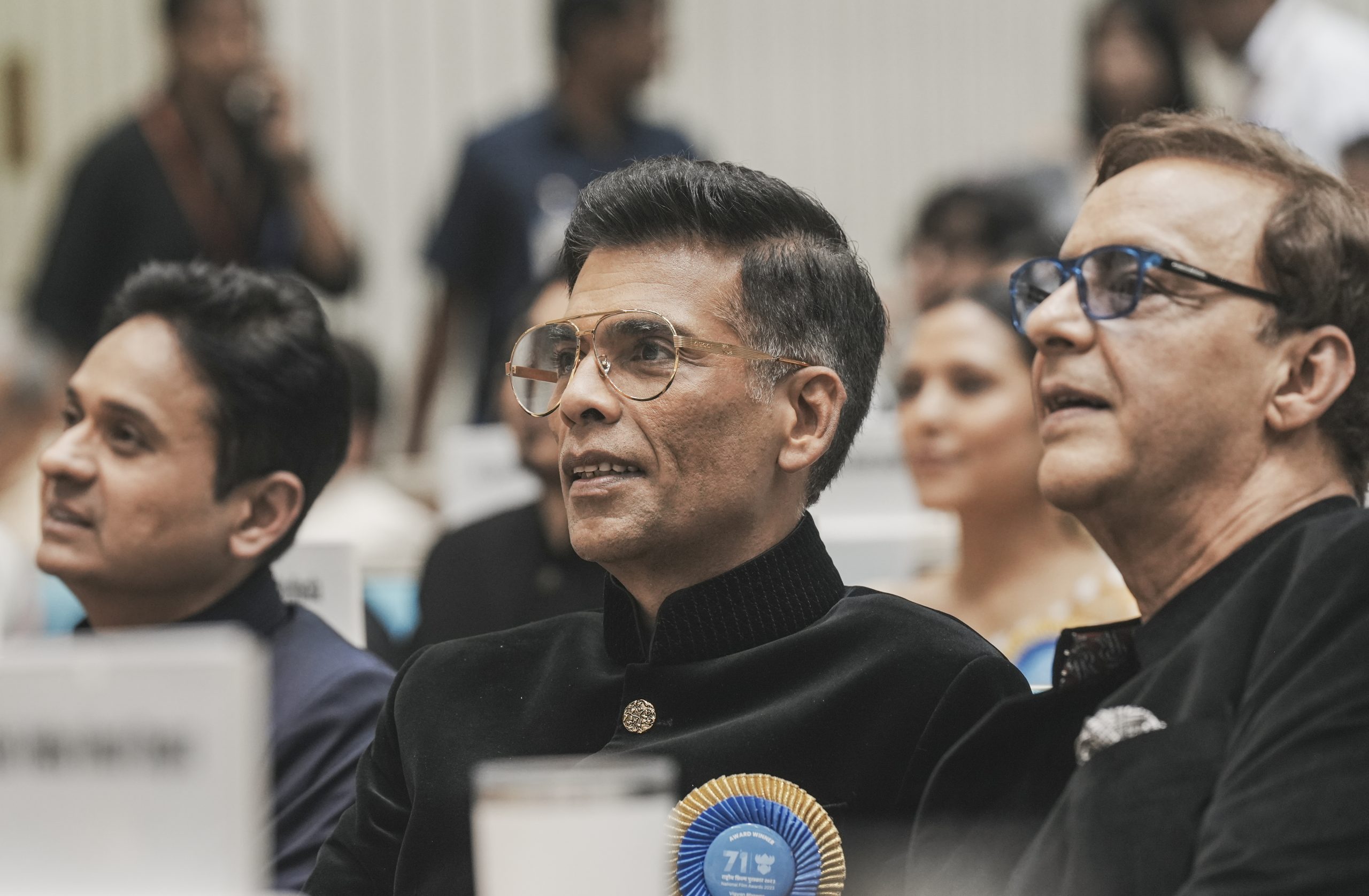
Bollywood’s celebrated filmmaker Karan Johar has never shied away from opening up about his personal life, and his recent appearance on Sania Mirza’s podcast Serving It Up With Sania further cemented his reputation as one of the industry’s most candid voices. In an intimate conversation with the tennis legend turned content creator, Johar spoke with remarkable honesty about navigating loneliness, his experiences with love, and the complexities of single parenthood, topics that have long remained under the public microscope.
Finding Acceptance After Heartbreak
When Sania Mirza asked Karan how he felt about not having a romantic partner, the filmmaker responded with surprising vulnerability. Acknowledging that he has reached a place of acceptance, he reflected on his emotional journey through heartbreak and unrequited love. “I was okay by now. There was a time when I really wanted love. I wanted companionship and a relationship. I went through many emotions, including heartbreak and one-sided love, and I even made a film on it. That process was cathartic and helped me heal,” Karan shared openly.
This admission reveals a more introspective side of the director, whose own films have explored the nuances of love and relationships extensively. The reference to making a film based on his personal experiences shows how Karan has channeled his emotional struggles into his creative work, transforming pain into art.
The Reality of Loneliness Beyond Public Success
What made this conversation particularly striking was Karan’s candid disclosure about the paradox of loneliness. He explained that well-meaning acquaintances often suggested he should “put himself out there” or “go abroad,” advice that didn’t resonate with his reality. “Go where? I lived here. I had a mom and two kids. My life was here. I went through those phases, and yes, I got lonely; that was the truth. You felt the loneliest during your highs, not your lows. Eating alone was another thing that made you feel lonely,” he revealed.
This observation strikes at the heart of a universal human experience often overlooked in celebrity narratives: that success, fame, and professional accomplishments do not shield one from emotional solitude. Karan’s admission that loneliness peaks during moments of professional triumph rather than during difficult times offers a refreshingly honest perspective on the emotional toll of his demanding career and single-parent lifestyle.
A Ray of Hope: “Never Say Never”
Despite his acceptance of his current status, Karan maintained an optimistic stance on the possibility of finding love. In characteristic Karan Johar style, he injected humor into the discussion, stating that he had “never said never” when it came to romance. With a playful reference to Shah Rukh Khan’s iconic open-armed pose, he quipped that his “arms were wide open like Shah Rukh Khan’s” if love ever found its way to him.
The filmmaker’s reflection on his life’s irony—that he has crafted some of Bollywood’s most iconic love stories while navigating his own solitary journey—brought a poignant dimension to the interview. In a touching moment, he remarked, “Rab ne vo jodi mere liye nahi banayi (God hasn’t made a partner for me),” a statement that resonated with acceptance tinged with hope.
Balancing Parenthood and Personal Life
Karan’s journey to single parenthood has been marked by deliberate choices and personal resilience. Following the loss of his father, producer Yash Johar, in 2004, he grew closer to his mother, Hiroo Johar, with whom he shares his Mumbai home. Karan became a single parent through surrogacy, welcoming twins Yash and Roohi, names chosen as tributes to his parents. This decision reflects his commitment to building a family structure that honors his heritage while creating a nurturing environment for his children.
Karan’s openness about his struggles also comes at a time when conversations around single parenthood, emotional well-being, and gender stereotypes in Indian society are gaining momentum. His willingness to discuss these topics publicly contributes to a broader cultural shift toward normalizing diverse family structures and acknowledging the emotional complexities that accompany them, regardless of one’s status or success in the entertainment industry.
By – Sonali