


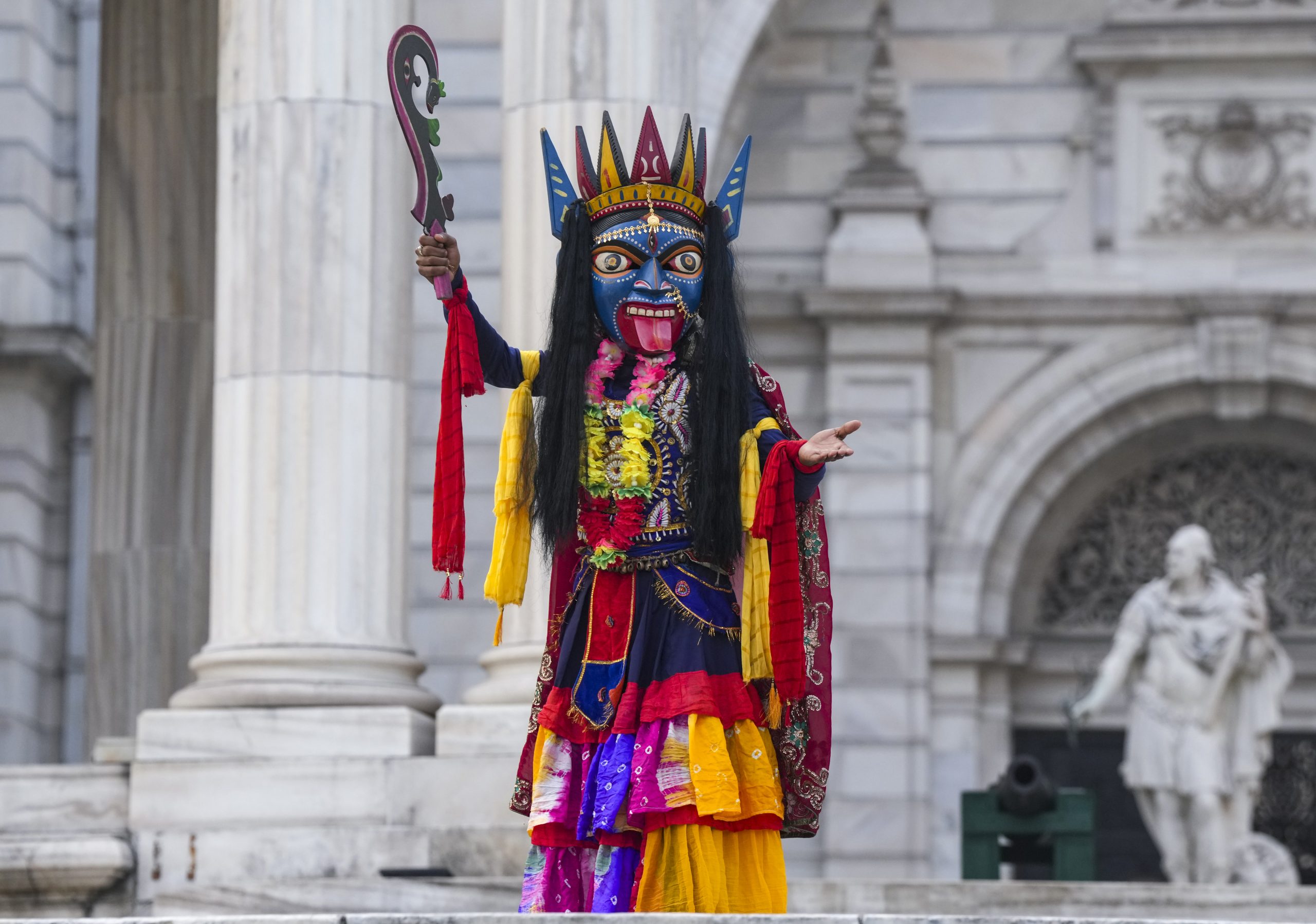
The vibrancy of Bengal’s folk culture is vividly encapsulated in the ‘Gomira’ mask dance, an age-old tradition that continues to enthrall rural communities and cultural enthusiasts. Rooted in the ritualistic heritage of the North and South Dinajpur districts in West Bengal, the Gomira performance stands as a living testimony to the region’s creative imagination, spiritual symbolism, and communal bonding. In a world chasing modernity, this ritual-dance ritual bridges the ancient and the contemporary, keeping the pulse of Bengal’s identity alive.
Origins: From Village Shrines to Festival Grounds
The term ‘Gomira’ is believed to be an adaptation of ‘Gram-Chandi’ or ‘Gramadevata’—the village deity. The dance originated as an offering in the animistic traditions of Bengal, long before organized Hinduism. Traditionally performed from the month of Boisakh (April-May) to Asarh (June-July), especially during the annual ‘Gomira Puja,’ it is considered a form of propitiation to deities and spirits, seeking blessings for protection, good harvests, and communal well-being.
Oral histories and local custodians trace the practice back over three centuries. Initially, it was confined to village courtyards and sacred groves, involving the entire community in elaborate rituals, music, and collective participation.
The Masks: More Than Just Artistry
At the heart of the Gomira dance are its iconic wooden masks. Created painstakingly by rural artisans, primarily from Dinajpur’s Kushmandi and Raiganj blocks, these masks depict deities, mythical beings, animals, and spirits ranging from the fierce ‘Bura-Buri’ (old man and woman) and the warrior ‘Mahishasuramardini’ to animal characters like tigers and monkeys.
Each mask embodies a narrative and carries strong symbolic resonance. The carvers, often from families who have practiced this art for generations, use local wood like neem or fig, imbuing the masks with sacredness through rituals before they are worn.
In recent years, mask-making traditions have seen rejuvenation due to government support and initiatives like the state-run ‘Mukha Mela’ (Mask Festival), which provides a platform for artisans and helps document and market their unique creations, even globally.
The Dance: Rhythms of Devotion and Drama
Gomira is not merely performance; it is a ritual in motion. Dancers, predominantly males, don the masks and take on the personas of the characters they embody. The transformation is physical and spiritual, invoking the deity or spirit to descend. The dances are characterized by powerful movements, frenzied spins, and dramatic gestures, all accompanied by the thunderous beats of traditional drums (dhak, dhol) and conch shells.
The stories enacted are often drawn from mythology and folklore: the eternal struggle between virtue and evil, tales from the Mahabharata and Ramayana, and legends unique to the region. The act can be exorcistic, believed to drive away evil forces and ensure communal prosperity.
Women, historically excluded, have recently begun to participate, reflecting shifts in social attitudes and the continuing evolution of the folklore.
Modern Resonance: Challenges and Revivals
The Gomira mask dance has endured challenges like urbanization, loss of patronage, and waning interest among the youth. However, increased attention from cultural scholars, tourism boards, and state art initiatives has helped revive the tradition.
Workshops, exhibitions such as ‘Mukha Mela,’ and documentation efforts have taken the masks and their stories to museums in Kolkata and even international art forums. Mask makers now receive orders from across India and abroad, transforming rural economies and renewing pride in their heritage.
Education programs are encouraging young artisans and dancers, ensuring skills are handed down and the art form remains vibrant. The COVID-19 pandemic had temporarily halted physical performances but led to a surge in digital showcases, further expanding the audience.
Future of an Enduring Art
Gomira’s mask dance remains a resilient vessel of Bengal’s syncretic culture, reflecting communal identities, sacred rituals, and creative expression. Its survival is a testament to the adaptability of folk traditions and the enduring human need for stories, spectacle, and spiritual reassurance. As Bengal’s villages and cities change, the grooved beats of Gomira drums and the mesmerizing faces of the dancers promise to keep the region’s ancient spirit alive for generations to come.
By – Sonali