


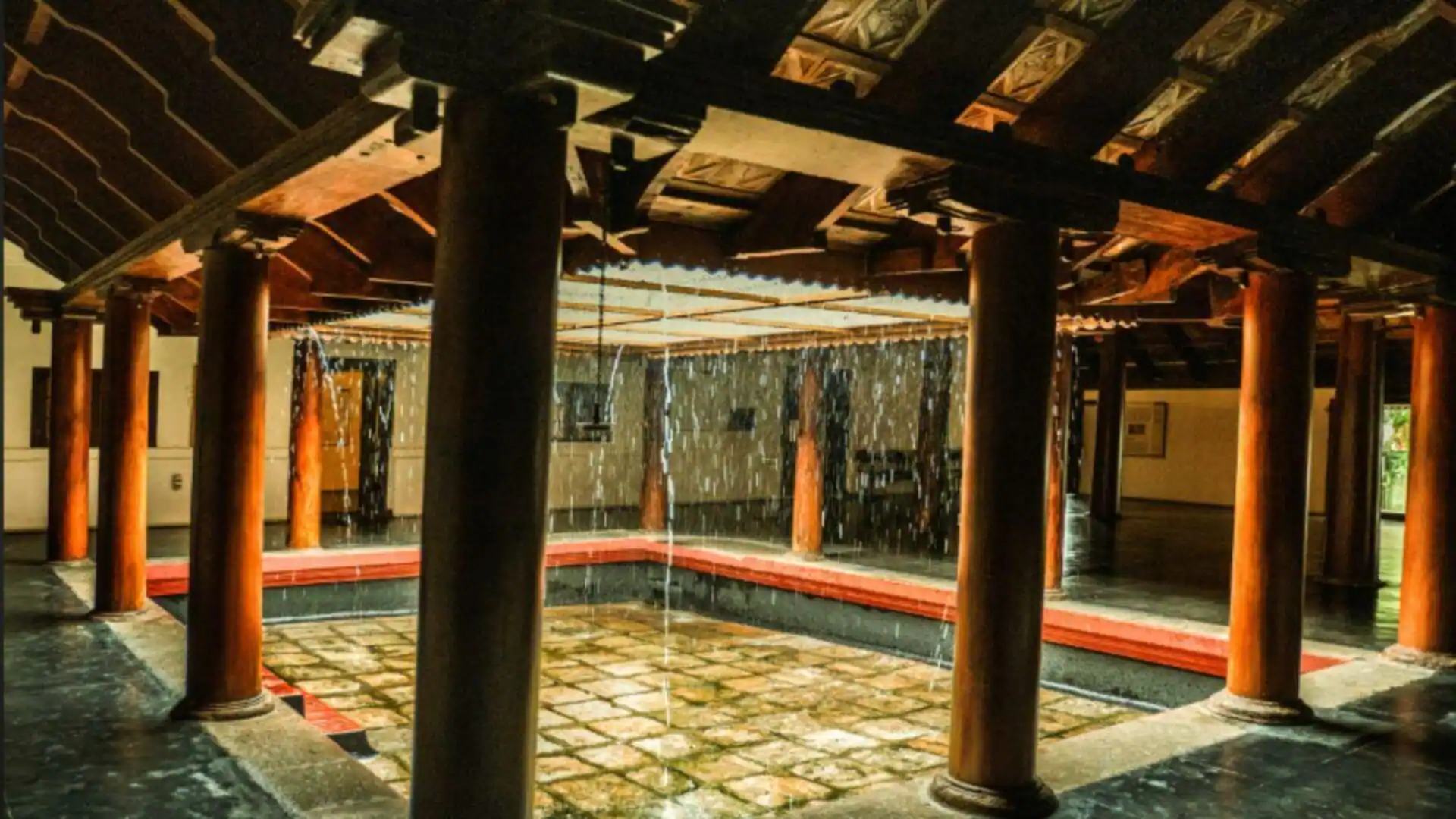
In an era of rapid urbanization and contemporary design, Kerala’s Nalukettu houses, once at the heart of domestic life in the state, are witnessing both a nostalgic resurgence and a contemporary reinterpretation. These quintessential courtyard homes, rooted in the historical, climatic, and social fabric of Kerala, are now captivating architects, cultural enthusiasts, and even young homebuyers seeking authenticity in a changing world.
What Is a Nalukettu?
Nalukettu, meaning “four blocks,” refers to a traditional rectangular structure with four wings forming a central courtyard, known as the nadumuttam. These blocks are aligned with the cardinal directions, enclosing an open-to-sky space that becomes the soul of the house. Each block houses living spaces, bedrooms, kitchens, and storage, while the airy courtyard provides ventilation, sunlight, and a communal family zone vital to the Malayali way of life.
This indigenous architectural form has evolved over centuries, reflecting the region’s climate and the joint family system, sometimes spanning generations under a single roof. The thick laterite walls, sloping clay-tiled roofs, wooden columns, and intricately carved doors showcase the craftsmanship and ecological wisdom of Kerala’s artisans.
Cultural Roots and Social Symbolism
The Nalukettu is more than an architectural style; it is a testament to Kerala’s matrilineal traditions, especially among Nair, Namboothiri Brahmin, and other aristocratic families. The design fosters family unity and privacy, with spaces demarcated for rituals, festivals, and daily routines. The nadumuttam often hosts family gatherings, festivals like Vishu and Onam, and religious ceremonies.
Even today, these homes symbolize cultural continuity and social status in rural Kerala. Oral folklore and Malayalam literature, including the acclaimed novel “Nalukettu” by M.T. Vasudevan Nair, evoke the nostalgia and gradual decline of these grand ancestral homes in the twentieth century.
Climatic Response and Sustainable Living
In the era of climate consciousness, people admire Nalukettu architecture for its sustainable features. The central courtyard acts as a “chimney,” enabling air circulation and cooling, a natural answer to Kerala’s humid climate. Overhanging roofs protect against monsoon rains, while inner verandas (chuttuveranda) allow for filtered daylight and tactile connection with nature.
Building materials such as laterite, wood, lime plaster, and terracotta tiles are locally sourced, blending seamlessly into the landscape. These eco-friendly choices are finding renewed interest among architects and builders concerned with carbon footprints and sustainability.
Revival and Contemporary Adaptations
With changing lifestyles and shrinking landholdings, traditional Nalukettu houses became increasingly rare; many fell into disrepair or were replaced by concrete structures. However, the past decade has seen a revival, powered by homeowners’ nostalgia, heritage tourism, and a desire for identity in design.
Architects are now adapting Nalukettu principles for smaller plots, merging open courtyards and expansive verandas with modern amenities and minimalist aesthetics. Heritage conservationists are restoring ancestral mansions, while boutique hotels and homestays offer immersive experiences of Kerala’s cultural legacy.
Recent award-winning projects feature Nalukettu-inspired layouts with rainwater harvesting, solar integration, and adaptive reuse of timber and antique elements. Policy initiatives and heritage listing by local governments are also providing incentives for preservation and adaptive reuse.
Challenges in Preservation
Despite the renewed appreciation, several hurdles persist. High maintenance costs, a shortage of skilled craftsmen, and urbanization pressures challenge long-term viability. Many original Nalukettus face threats from neglect, legal disputes over family inheritance, or demolition for development.
Advocates are calling for community awareness, government grants, and documentation efforts to protect these priceless architectural legacies. Integrating traditional building methods into modern construction syllabi and vocational education is another suggestion gaining traction.
The Verse of Yesterday, the Canvas of Tomorrow
Kerala’s Nalukettu tradition stands as a living monument bridging the past and present. Its central courtyard, once echoing with family voices and festive laughter, is today a canvas for creative reinterpretation. As designers, homebuyers, and policy-makers discuss the future of Kerala’s built heritage, the Nalukettu remains not just a model of sustainable living but a beacon for cultural rootedness in a globalizing world.
By – Sonali