


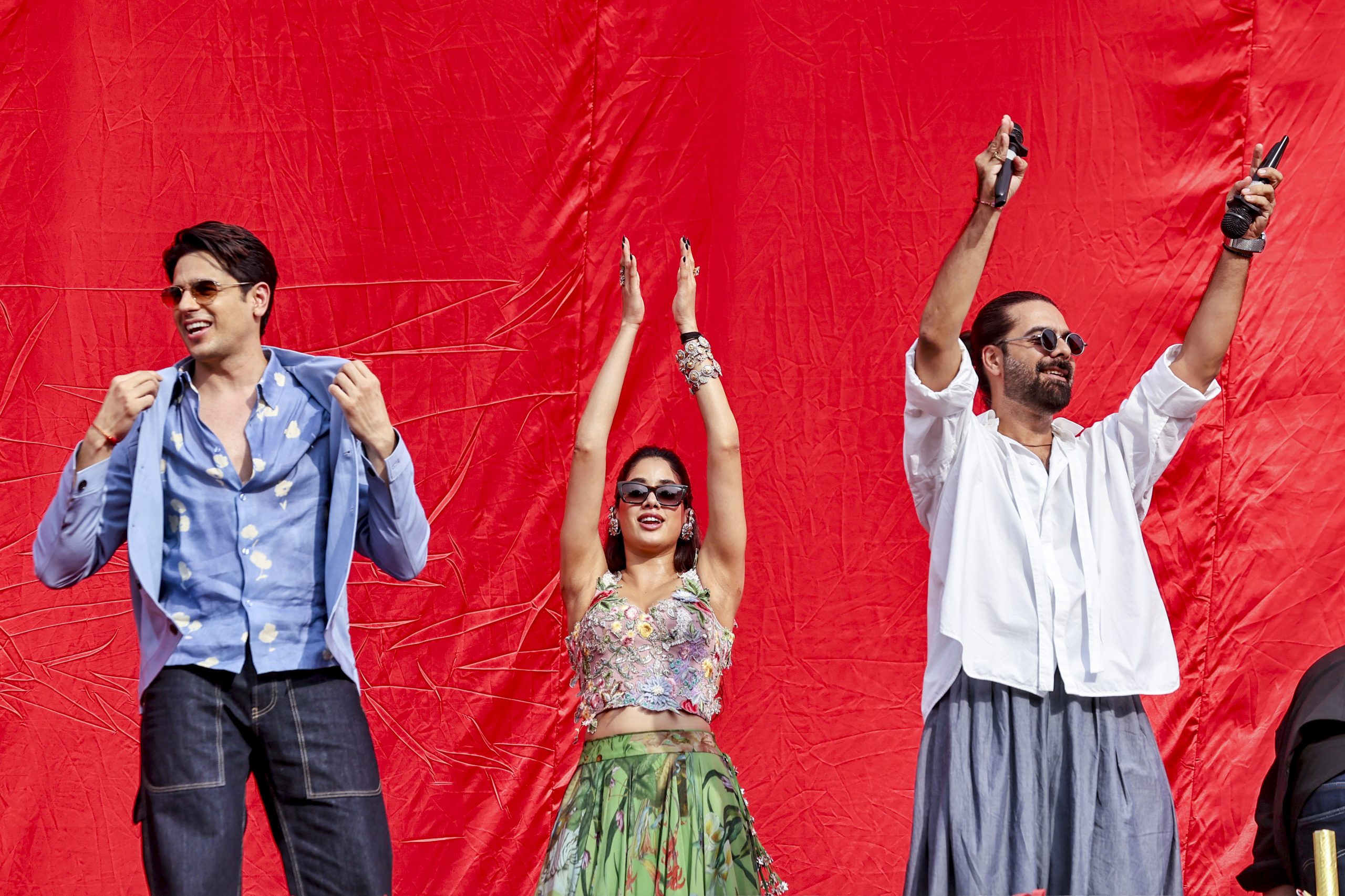
At the We The Women 2025 event in Mumbai, Janhvi Kapoor delivered a powerful critique of contemporary media culture, drawing from her deeply personal experience of losing her mother, legendary actress Sridevi, in 2018. Speaking with senior journalist Barkha Dutt, the actor opened up about the enduring pain of having her family’s private tragedy transformed into public spectacle, memes, and sensational headlines.
The Unprocessable Grief: A Daughter’s Silent Suffering
Janhvi reflected on the darkest phase of her life, describing the experience as something she has struggled to fully articulate even seven years later. “The feeling and the phase that I went through during that time is something I’ll never be able to verbalise,” she confessed, emphasizing the deeply personal and isolated nature of her grief. The timing of her loss was particularly cruel—Sridevi died on February 24, 2018, just months before Janhvi’s film debut with Dhadak, forcing the then 20-year-old to navigate her professional beginning while processing unfathomable personal loss.
What made the tragedy more unbearable was the public’s insatiable appetite for sensational coverage. Janhvi revealed that she was temporarily prohibited from watching television to shield herself from the relentless and often insensitive media narratives surrounding her mother’s death. “I wasn’t allowed to watch TV for a lot of that phase, but things still kept coming up. It hurt me as a daughter, and it was confusing. I don’t think I will ever recover from it,” she stated, her voice reflecting years of unhealed wounds.
When Grief Becomes Meme: The Dehumanization of Death
Perhaps the most striking aspect of Janhvi’s statement was her description of witnessing her mother’s death reduced to online jokes and memes. “I don’t know if anyone can imagine what it’s like to lose someone that close to you and see it become a meme. I don’t even know how to compute or explain it, but it’s just gotten worse,” she said, highlighting the cruelty embedded within contemporary digital culture.
This experience created a lasting hesitation within her to speak publicly about her mother’s death, fueling a fear that any public acknowledgment would be perceived as opportunistic headline-grabbing. “I would hate if I ever sounded like I was using such a painful part of my life and my relationship with my mother for a headline, so I think that always holds me back,” she explained, revealing the silent burden celebrities carry when navigating grief in the public eye.
The Larger Crisis: A Society in Moral Collapse
Janhvi’s critique transcended personal grievance, instead positioning the issue as a systemic crisis of human morality. She argued that the voyeuristic nature of modern journalism and social media has “single-handedly contributed to the complete derailment of human morality.” She referenced recent false reports surrounding veteran actor Dharmendra’s death in November 2025 as evidence that the problem has only intensified, calling it “repeated” sensationalism that will continue to worsen.
“Humanity and morality are in shambles,” Janhvi asserted, lamenting that society has lost the conscience that once prevented crossing ethical boundaries. She highlighted how social media’s algorithmic incentivization of sensational content through views, comments, and likes collectively encourages harmful narratives, making audiences complicit in the problem.
Shared Responsibility: Beyond Blaming the Media
Critically, Janhvi acknowledged that the responsibility extends beyond journalists and media houses. “We are part of the problem. Every time we give videos, headlines or narratives – views, comments, likes—every time we look for something like that, we are incentivising this culture,” she stated, implicating both celebrities and audiences in perpetuating a system that prioritizes sensationalism over humanity.
Janhvi’s candid intervention at the We The Women 2025 event represents a significant moment of accountability within entertainment discourse, challenging not just media practitioners but society at large to reconsider the ethical cost of voyeurism.
By – Sonali