


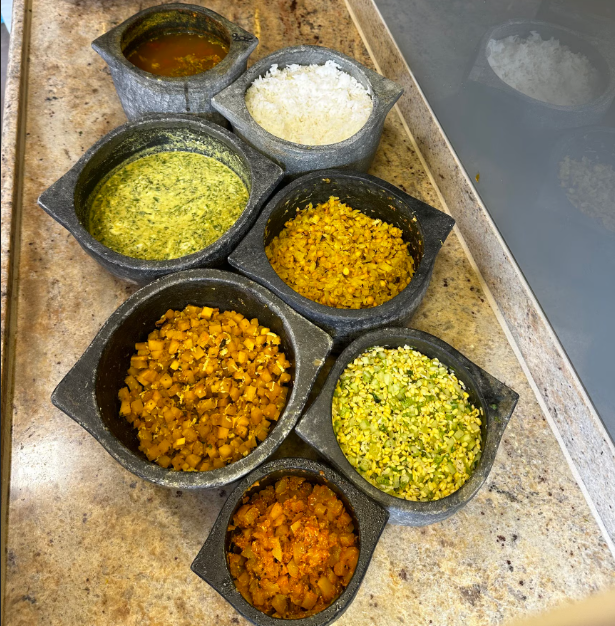
In a landmark victory for traditional craftsmanship, Namakkal’s centuries-old soapstone cookware industry has been awarded the prestigious Geographical Indication (GI) tag. The recognition, formally granted on December 2, 2025, places Namakkal’s makkal pathirangal (soapstone utensils) among Tamil Nadu’s 74 GI-tagged products, celebrating a lineage of culinary heritage that has survived millennia.
The achievement follows a decade-long pursuit by the Namakkal Stone Products Manufacturers and MSME Technology Development Centre, acknowledging the region’s unique contribution to India’s kitchen culture. For the artisans, this tag is not just a label; it is a validation of survival against the tide of modernization.
The Artisan Village: Where Stone Becomes Art
At the heart of this craft lies Thandankoundanpalayam, a quiet village in Namakkal district where the rhythm of chisels defines daily life. Here, nearly every family is engaged in transforming pale grey soapstone into functional art.
The manufacturing process is a testament to human skill over industrial automation. Artisans hand-carve blocks of locally sourced soapstone, shaping them on manual lathes without the aid of modern machinery. The result is the kalchatti – heavy, thick-walled vessels with characteristic “ear” handles, varying from deep cooking pots to shallow dosa pans and intricate mortars. Every piece carries the unique imprint of its maker, a stark contrast to the uniformity of factory-made steel.
Science Meets Tradition: The Chemistry of Cooking
The resurgence of kalchatti is driven by more than nostalgia; it is backed by science. These vessels are crafted from steatite, a magnesium-rich metamorphic rock that offers unique culinary advantages. Research highlights that cooking in soapstone releases essential minerals like magnesium, calcium, and iron into food, while retaining up to 98% of nutritional content.
The stone’s density provides exceptional heat retention. A kalchatti keeps food warm for hours and continues to cook for minutes after being removed from the flame, saving significant fuel. Unlike metal, soapstone is chemically inert, making it the perfect vessel for acidic South Indian staples like vatha kuzhambu (tamarind stew). While metals react with citric acid and tamarind, altering the taste, soapstone preserves the authentic aroma and flavor profile of ingredients.
The Seasoning Ritual
A raw soapstone vessel is porous and unusable until it undergoes a rigorous seasoning process, a ritual that demands patience. Traditionally, the vessel is treated with a mixture of castor oil and turmeric, followed by weeks of applying starch water (rice kanji). This process creates a natural non-stick patina and hardens the stone, ensuring it can withstand high heat without cracking.
While many modern vendors now offer pre-seasoned vessels to suit fast-paced lifestyles, the fundamental care remains the same: gentle heating, no harsh detergents, and regular oiling. A well-maintained kalchatti can last for generations, often outliving the cook who seasoned it.
Revival and Global Reach
Once on the brink of obsolescence, Namakkal’s soapstone industry is witnessing a spirited revival. Health-conscious millennials and Gen Z consumers are increasingly trading Teflon for tradition, driving demand for chemical-free cookware. Brands specializing in traditional kitchenware report organic growth, fueled by social media influencers showcasing the “slow food” movement.
The market has expanded far beyond Tamil Nadu. India’s traditional cookware sector now dominates 75% of the global market, with significant exports to the United States, Netherlands, and Australia. The GI tag is expected to further boost this international appeal, protecting the authenticity of Namakkal’s products and allowing artisans to command fair premiums.
A Sustainable Future
As the world pivots toward sustainable living, Namakkal’s artisans stand at the intersection of heritage and health. The GI tag ensures that the knowledge passed down through generations in Thandankoundanpalayam receives the protection it deserves. For the modern cook, bringing a kalchatti into the kitchen is an act of reclamation, a return to cooking that honors the ingredients, the process, and the planet.
By – Sonali