


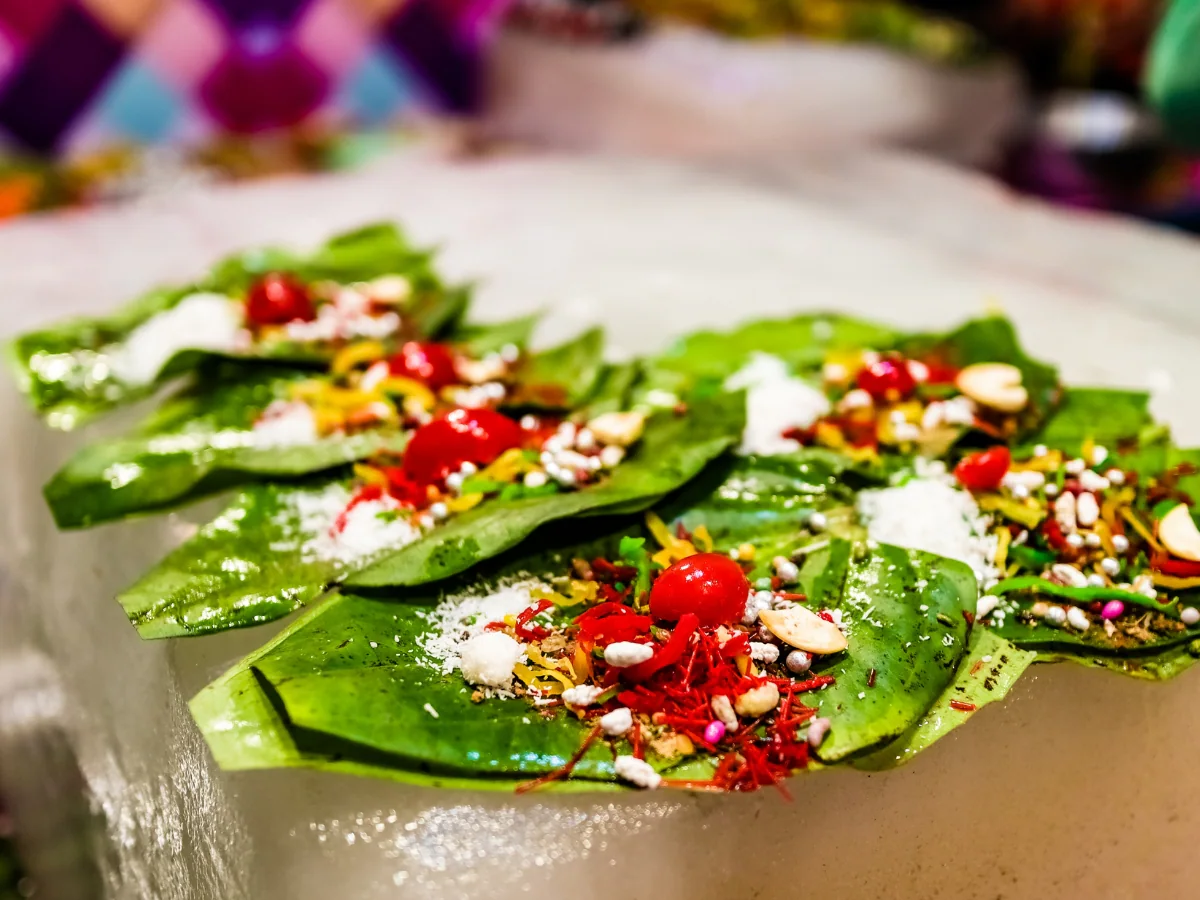
Deep in the heart of Bundelkhand, the historic city of Mahoba holds within its soil an extraordinary legacy that dates back more than a thousand years. The Mahoba Desawari Pan, a distinctive variety of betel leaf cultivated exclusively in the Mahoba district of Uttar Pradesh and parts of the adjacent Chhatarpur district of Madhya Pradesh, represents far more than just agricultural produce; it embodies a cultural treasure that once graced the courts of ancient kings. During the reign of the Chandela dynasty in the 9th century, Mahoba Pan was reserved exclusively for royal consumption, served ceremonially on silver plates. This prestigious tradition continued through the Mughal era, with historical records from Ain-i-Akbari documenting Mahoba as a major paan-producing center that supplied betel leaves across the northern reaches of India and beyond.
The Gift of Terroir and Tradition
What makes Mahoba Desawari Pan genuinely exceptional is not merely its historical significance but its distinctive botanical characteristics shaped by the region’s unique environment. The leaves are remarkably larger than other betel varieties, typically measuring 6 to 9 inches in length and 5 to 8 inches in width, with optimal specimens reaching 11 by 10 inches. The Chaurasia community, descendants of the ancient Tamboli caste, has maintained an unbroken cultivation tradition for centuries, passing down specialized knowledge through generations. The betel vines are cultivated in specially constructed shelters called Bareja, a traditional greenhouse-like structure standing 6 to 7 feet high and designed to protect plants from harsh sun while allowing controlled ventilation and irrigation.
The flavor profile of Mahoba pan distinguishes itself through a harmonious balance of mild bitterness, sweetness, and a distinctive aromatic quality unlike any other variety. Most remarkably, the leaves contain significantly less fiber than other betel cultivars, making them completely chewable and swallowable with a texture that crumbles delicately under slight pressure. The leaves exhibit a brighter color and distinctive glossy shine that connoisseurs across India and internationally have prized for generations.
Recognition and Revival: The GI Tag Achievement
In a significant milestone for Indian agricultural heritage, Mahoba Desawari Pan received Geographical Indication (GI) status on September 14, 2021, from the Geographical Indications Registry, making it the second betel leaf variety in India to receive this distinction after Mysore Betel Leaf. This prestigious recognition marked the culmination of an application process initiated in February 2013 by the Chaurasiya Samaj Sewa Samiti. The GI tag certifies that Mahoba Desawari Pan can only be authentically produced in its designated geographic region, protecting both the product’s reputation and the livelihood of local farmers. During the Ram Mandir consecration ceremony in Ayodhya, the betel leaves were even specifically sourced from Mahoba, acknowledging their cultural and sacred significance in contemporary India.
A Heritage Under Siege
Yet the present situation tells a different story—one of decline, climate adversity, and economic struggle. What was once a thriving industry generating approximately 8 crores annually in exports to Pakistan, Europe, and the Middle East has contracted dramatically. Current annual income stands below 1.5 crore, a staggering fall from the heights of previous decades. The cultivation area has shrunk from 600 acres to a mere 60 acres, primarily due to devastating crop losses triggered by extreme weather events and escalating input costs that make betel farming economically unviable.
Environmental challenges, including unpredictable rainfall patterns and temperature fluctuations inherent to climate change, have rendered traditional cultivation methods increasingly precarious in the Bundelkhand region. Farmers report unprecedented crop failures and mounting expenses that transform what was once a profitable enterprise into a loss-making venture.
Efforts Toward Preservation
Recognizing the peril facing this agricultural gem, the Government of Uttar Pradesh has launched a paan incentive scheme offering substantial subsidies to farming communities. Additionally, plans for comprehensive crop insurance protection are under development, aimed at safeguarding both the farmers’ economic stability and the survival of this unique indigenous variety for future generations.
The Mahoba Desawari Pan represents more than heritage; it symbolizes the intricate relationship between soil, climate, culture, and livelihood in rural India, demanding urgent intervention and continued support to ensure its survival.
By – Sonali