


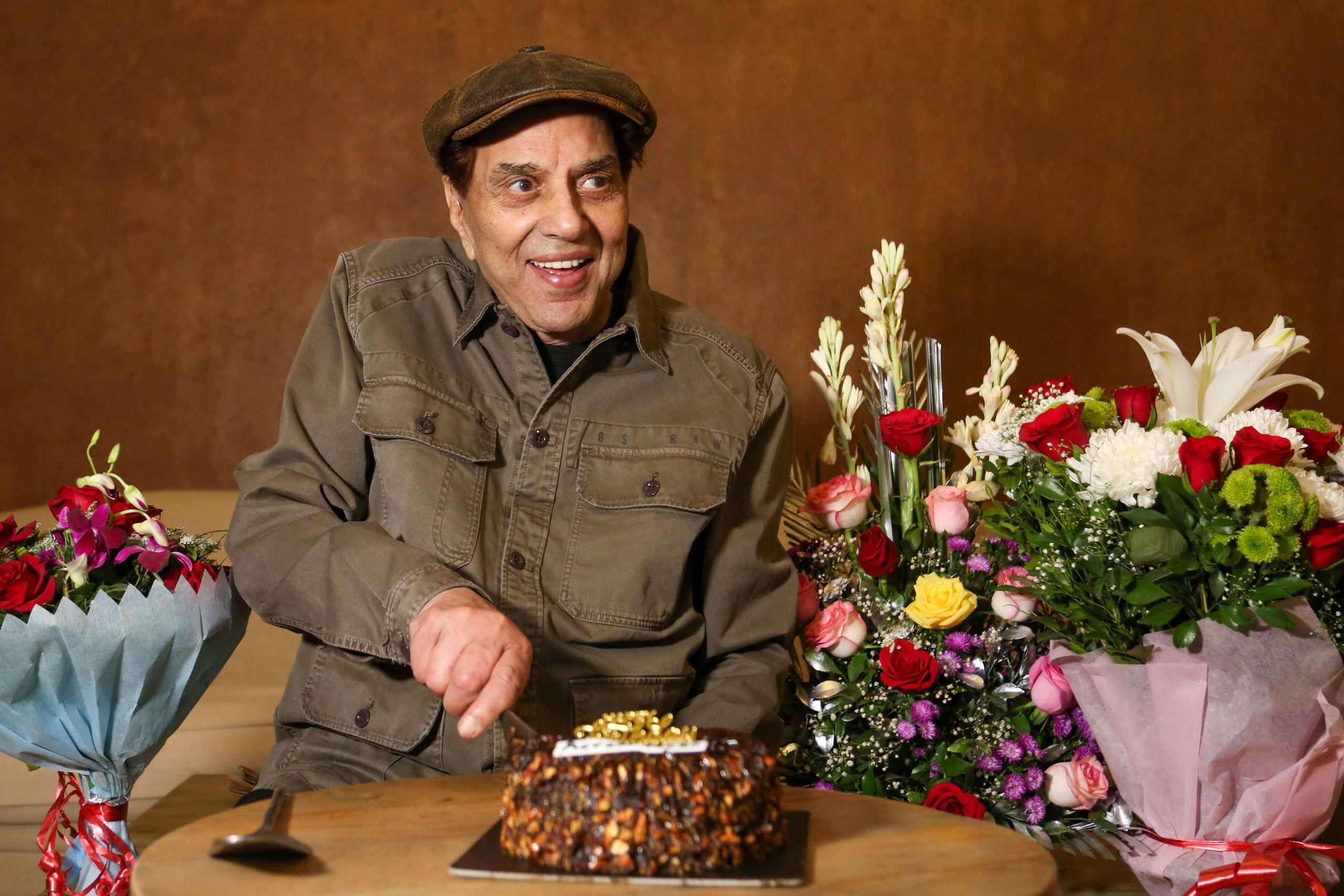
On what would have been his 90th birthday on December 8, 2025, Dharmendra may no longer be physically with us, but the moment a print of his films rolls in any single-screen from Patna to Palakkad, the front bench still transforms into a war zone of seetis and taalis.
These 10 lines and moments are a big reason why.
1. “Basanti, in kutton ke saamne mat nachna!” – Sholay (1975)
The mother of all mass moments. Veeru’s desperate cry to protect Basanti has outlived entire generations of villains. The second he says it, the entire hall screams louder than him.
2. “Kutte, kamine… main tera khoon pi jaaunga!” – Yaadon Ki Baaraat (1973)
The OG angry-hero threat. Delivered with blood in his eyes and veins popping, it still gives goosebumps and guarantees instant whistles whenever the film is re-run.
3. “Jo darr gaya, samjho marr gaya!” – Sholay (1975)
Not just a dialogue, it’s a life motto. Whether on the train or in Ramgarh, Veeru’s dare has been shouted back from balconies and stalls for decades like a personal challenge.
4. “Tumhara naam kya hai, Basanti?” – Sholay (1975)
Simple, almost throwaway on paper. But the way Dharmendra stretches the line, flirts, pauses and grins turned it into the national pick-up line of the 70s. Entire halls still chorus “BASANTI!” before he finishes.
5. Veeru’s drunken water-tank rant – Sholay (1975)
Threatening to jump, demanding Basanti’s hand, yelling at the whole village… it’s a long, half-slurred monologue, but every punchline gets its own whistle. By the time he’s threatening suicide like it’s stand-up comedy, the theatre is a full-blown laughter riot.
6. “Main sharab nahi peeta… sharab mujhe peeti hai!” – Sharafat (1970)
Mischief + innocence + swag. Only Dharmendra could turn a drunk-hero cliché into a seeti-mar line. The hall laughs so hard half the punchline gets drowned out.
7. Gallant rogue to unlikely saviour – Phool Aur Patthar (1966)
He doesn’t need a catchphrase here; even his rough, street–level challenges to society’s hypocrisy were enough to make front-benchers clap and whistle. This is where the “He-Man” aura really began.
8. The desh-bhakt outbursts – Ankhen (1968) / Haqeeqat (1964)
Whether raging at traitors or pumping up jawans, Dharmendra’s patriotic tirades, jaw set and eyes blazing, have long been whistle triggers. You don’t always remember the exact words, but you remember the feeling in the pit of your stomach.
9. “Himmat-e-marda to madad-e-Khuda!” – Dharam Veer (1977)
Sword raised, armour gleaming, lions roaring in the background – the ultimate 70s masala high. When Dharam shouts this, single screens turn into mini-stadiums.
10. The soft-spoken romantic lines – Anupama, Satyakam and beyond
Even away from the dhol-dhamaka, his quiet confessions and gentle one-liners in films like Anupama and Satyakam draw a different kind of whistle – softer, more admiring, from audiences who know they’re watching a real actor beneath the star.
Happy 90th, Dharam Paaji.
Single screens across India are celebrating the only way they know: by playing your films at full volume and letting the whistles do the talking.
– By Manoj H