


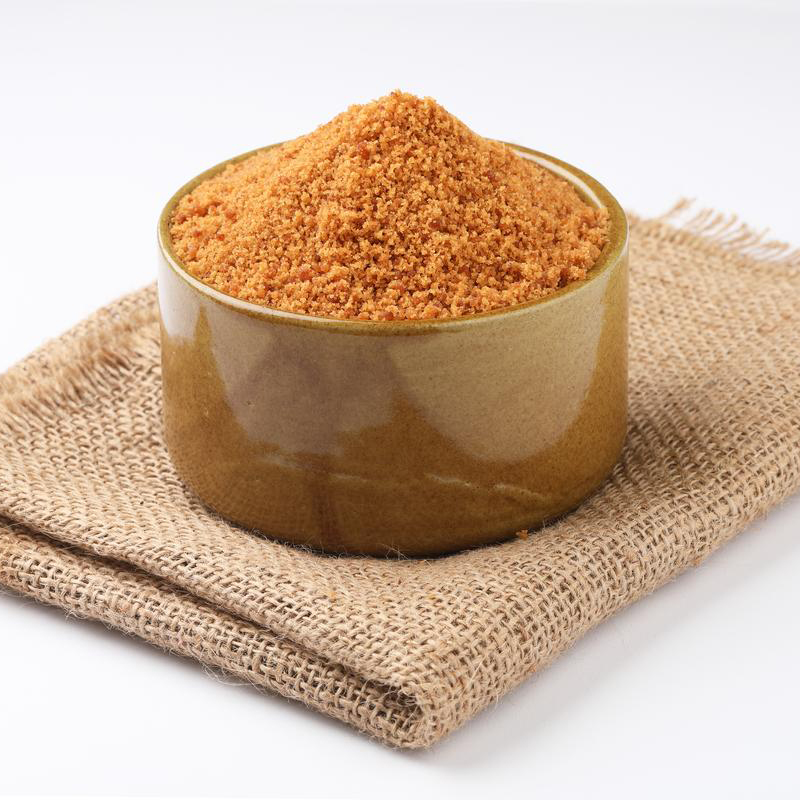
In a landmark recognition that celebrates centuries of agricultural heritage, Kavindapadi’s treasured ‘Nattu Sakkarai’ (jaggery powder) has received the prestigious Geographical Indication (GI) tag from the Geographical Indications Registry under the Department for Promotion of Industry and Internal Trade. The announcement in December 2025 represents a momentous achievement for one of South India’s most valued traditional sweeteners and reinforces Tamil Nadu’s position as India’s second-largest holder of GI-certified products with 74 registered items.
The recognition, granted alongside four other exceptional Tamil Nadu products—Woraiyur Cotton Sari, Namakkal Soapstone Cookware, Thooyamalli Rice, and Ambasamudram Wooden Toys—validates the meticulous craftsmanship and agricultural excellence that generations of Erode farmers have preserved despite the pressures of industrialization.
The Land That Created a Legend
Geographic Advantage and Agricultural Legacy
Kavindapadi, a taluk within Erode district, has earned its distinction as one of South India’s most significant jaggery production belts through a combination of ideal climate, fertile soil, and ingenious irrigation infrastructure. The Lower Bhavani Project Canal, a 201-kilometer irrigation system channeling water from the Bhavanisagar Dam, transformed this region into a sugarcane cultivation powerhouse. Sugarcane is cultivated across more than 70 villages in Gobichettipalayam taluk and surrounding areas, with farmers in villages like Ayyampalayam, Aandipalayam, Odathurai, Ponnachi Pudur, and Koogalur specializing in sugarcane farming and jaggery production.
What distinguishes Kavindapadi’s agricultural landscape is not merely the scale of production but the deep-rooted commitment to quality that has characterized the region for generations. Farmers have maintained chemical-free production methods for decades, a practice driven by their most discerning customer: the Palani Bala Dhandayuthapani Temple, one of the six sacred abodes of Lord Murugan.
The Temple Connection: Three Decades of Sacred Partnership
Sustaining Tradition Through Divine Trust
The relationship between Kavindapadi’s jaggery producers and the Palani temple represents one of South India’s most enduring agricultural partnerships. For more than 30 years, the temple procured nattu sakkarai exclusively from Kavindapadi’s regulated marketing committee to prepare ‘Panchamirtham’ the sacred sweet offering distributed as prasadam to hundreds of thousands of annual devotees.
This partnership temporarily faltered when the temple halted direct procurement in 2014, shifting to open market sourcing. However, farmers’ commitment to maintaining purity prompted the temple to resume its traditional sourcing from Kavindapadi through the regulated marketing committee. The scale of this procurement underscores the jaggery’s significance: the temple purchases over 10 crore kg of jaggery annually for Panchamirtham preparation, with purchases escalating dramatically during the Sabarimala season when devotee traffic peaks. In a single procurement cycle (November-December 2023), the temple acquired 1.18 crore kg of jaggery powder worth ₹5.59 crore from Kavindapadi.
Temple authorities typically purchase 300 bags (60 kg each) of nattu sakkarai weekly through the Kavindapadi regulated marketing committee’s Saturday auctions, with quantities expanding to over 4,000 bags during peak pilgrimage seasons. This steady demand has provided consistent livelihoods for farming communities while preserving production standards.
The Science of Sweetness: Traditional Processing Perfected
Chemical-Free Excellence Through Time-Tested Methods
Kavindapadi Nattu Sakkarai’s golden-brown color and distinctive sweetness derive from a production methodology fundamentally different from industrial sugar manufacturing. After sugarcane harvesting, farmers crush the cane to extract juice, which is then heated in large traditional vessels through a carefully monitored boiling process. Unlike commercial refineries that employ chemical whiteners and additives, Kavindapadi’s producers maintain strictly chemical-free processes, preserving the jaggery powder’s natural mineral content and nutritional integrity.
The resulting granular texture and natural hue reflect minimal processing intervention. This traditional approach means that consumers receive jaggery in its most bioavailable form, rich in essential minerals including iron, calcium, and magnesium, and retaining fiber content that supports digestive health. The jaggery’s naturally low glycemic index makes it particularly valuable for individuals monitoring sugar consumption compared to refined white sugar.
A Recognition That Protects Community Heritage
The GI Tag and Its Implications for Farmers
The Geographical Indication certification carries profound implications beyond symbolic recognition. The GI tag legally protects Kavindapadi’s agricultural brand, preventing unauthorized use of the name while simultaneously enhancing market value and premium pricing potential. The application was filed by the Tamil Nadu State Agricultural Marketing Board, supported by the National Bank for Agriculture and Rural Development (NABARD) Madurai Agri Business Incubation Forum, ensuring institutional backing for this recognition.
For the farming communities who have invested generations in maintaining production standards despite economic pressures toward industrialization, the GI tag represents institutional validation of their sacrifice. As farmer V. Saravanan noted in earlier coverage, farmers prefer selling through the regulated marketing committee to the temple because they “will earn profit every week” with guaranteed cash transactions. The GI certification potentially expands export opportunities and positions Kavindapadi’s nattu sakkarai in premium market segments globally.
Reclaiming a Culinary Heritage Nearly Lost
From Temple Prasadam to Everyday Tables
While Kavindapadi’s Nattu Sakkarai achieved fame through its exclusive association with Palani temple’s Panchamirtham, its historical significance extends far deeper into Tamil cuisine. Traditional confections—athirasam, jaggery-based sweets, and village celebrations—relied exclusively on this natural sweetener. Yet decades of industrial sugar’s dominance and marketing power nearly rendered these culinary traditions obsolete in contemporary households.
The GI recognition arrives as both validation and a potential catalyst for revival. As consumers increasingly seek traditional, chemical-free food products, Kavindapadi’s nattu sakkarai occupies a unique position: a thoroughly tested, temple-approved, culturally significant sweetener with proven market demand from one of South India’s most frequented religious establishments.
A Broader Victory for Tamil Nadu’s Heritage Economy
Second Largest GI Portfolio in India
Tamil Nadu’s achievement of 74 GI-certified products, second only to Uttar Pradesh, reflects the state’s remarkable diversity of traditional crafts, agricultural products, and cultural heritage. The five products receiving GI recognition in December 2025 represent this breadth: from the intricate geometric patterns of Woraiyur cotton saris echoing Chola-era weaving traditions to the fragrant Thooyamalli rice variety to simple wooden toys carved from centuries-old artisanal knowledge.
Kavindapadi Nattu Sakkarai’s position within this constellation of recognized products elevates its status from regional specialty to nationally certified heritage item. The certification signals to both domestic and international markets that Tamil Nadu maintains living traditions rooted in authentic agricultural and artisanal practices, a distinction increasingly valuable in an economy saturated with mass-produced commodities.
Looking Forward: Opportunity and Responsibility
The GI tag places responsibility on Kavindapadi’s agricultural community to maintain the standards that earned this recognition. As global interest in traditional, chemical-free food products grows, the region faces both the opportunity for economic expansion and the challenge of scaling production while preserving the meticulous quality control that defines its identity. The success of this balance will determine whether Kavindapadi Nattu Sakkarai becomes merely another heritage product designation or a genuinely thriving agricultural brand that sustains farming families for generations to come, just as it has for the past three decades through its sacred partnership with Palani temple.
By – Sonali