


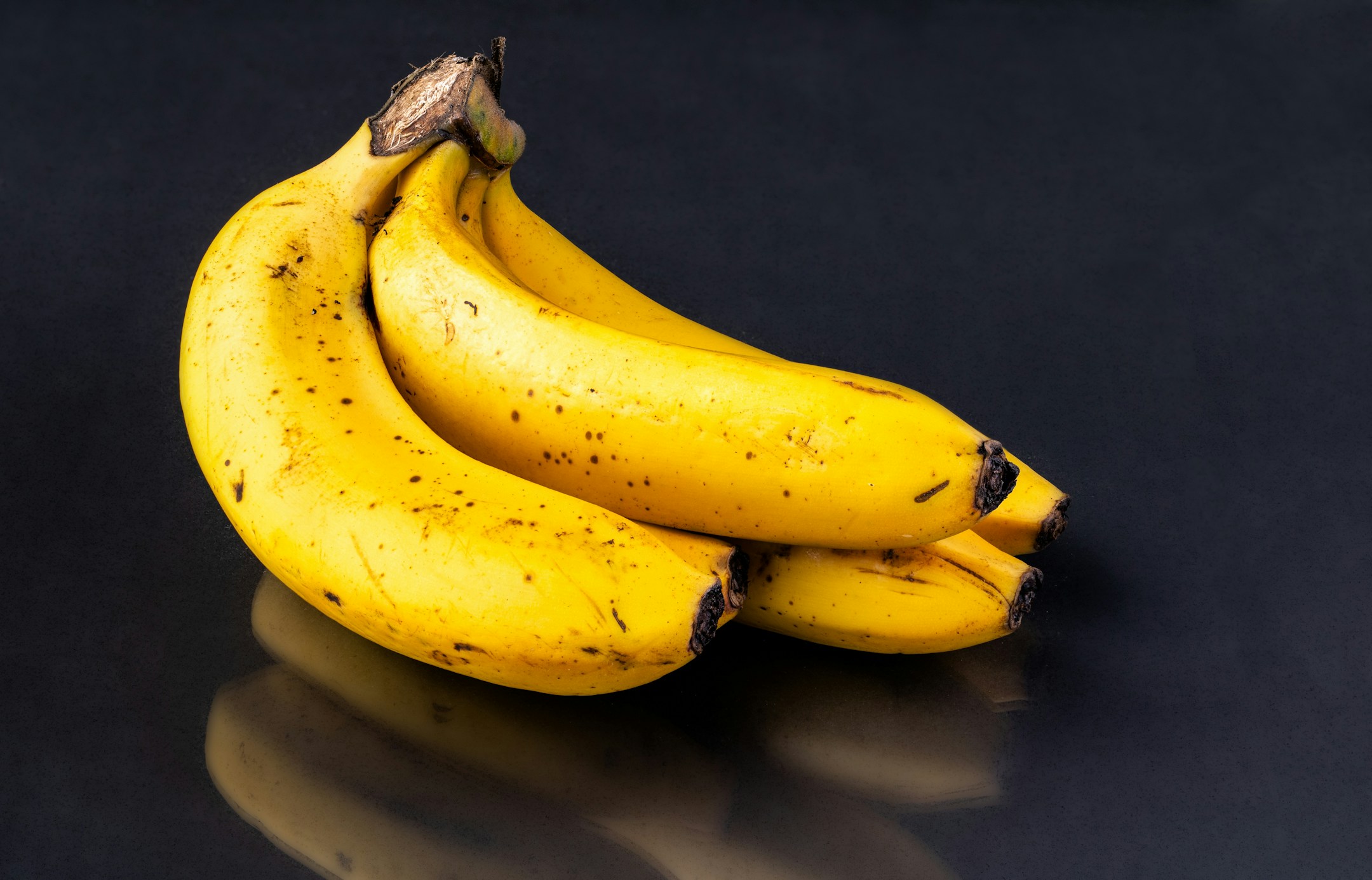
The rolling farmlands around Nanjangud in the Mysore district tell a story of resilience and renewal. Once cultivated across thousands of acres, the Nanjangud Rasabale banana, a fruit as legendary as the region itself, had nearly vanished from existence. But thanks to determined farmers and scientific intervention, this GI-tagged treasure is experiencing a remarkable revival that offers hope to a community fighting to preserve their agricultural heritage.
A Fruit Steeped in Legend and Tradition
The Nanjangud Rasabale is not just another banana variety. Known locally as Nanjanagudu rasabale, this distinctive fruit has earned its place in Kannada literature, traditional festivals, and religious ceremonies across Karnataka. What sets it apart is its extraordinary sensory profile: a buttery soft texture, unique aroma, and a taste that connoisseurs describe as incomparable. The fruit is remarkably small, typically measuring just 5-8 centimeters in length with a thin peel that turns golden when ripe. Locals prefer eating it without peeling, and when fully ripened, even the peel has earned admirers among those familiar with its nuanced flavor.
The secret of this extraordinary taste lies deeper than mere cultivation techniques. Experts believe the banana’s unique genetics, combined with the specific soil conditions of the Nanjangud region, create an irreproducible quality. In 2005-2006, the Government of Karnataka recognized this uniqueness by awarding the Nanjangud Rasabale a Geographical Indication tag, a prestigious recognition that only authentic bananas grown in the region can bear this name.
The Black Soil That Makes the Magic
The magic of Nanjangud Rasabale begins beneath the surface. The fruit thrives exclusively in black saline alluvial soil naturally formed on the banks of the Kapila River, primarily in the Devarasanahalli village near Nanjangud. This specific soil composition, enriched by centuries of river deposits, imparts the banana’s distinctive aroma and thick pulp that cannot be replicated elsewhere. Attempts to grow the same variety outside this region result in a dramatically inferior product. This geographical limitation, while protecting authenticity, also meant that as cultivation declined, the entire legacy faced extinction.
A Crisis That Nearly Erased a Heritage
The story takes a troubling turn in the decades following the GI tag’s award. Instead of flourishing, Nanjangud Rasabale cultivation plummeted to alarming levels. Three decades ago, Devarasanahalli was the largest producer of this banana variety. In recent years, cultivation had shrunk to a mere 10 acres across the entire Nanjangud taluk. More starkly, in villages like Devarasanahalli, only one farmer, N Mahendra, continued growing the crop while his peers abandoned their banana plantations.
The culprit was Panama Wilt disease, a devastating fungal infection caused by the Fusarium pathogen that ravaged rasabale farms. As crop after crop succumbed to this relentless disease, farmers lost confidence in the variety and switched to less vulnerable alternatives. The GI tag, meant to enhance cultivation, seemed powerless against this biological onslaught.
Science and Subsidies Spark a Turnaround
The turning point came through collaborative efforts between scientists and horticulture officials who refused to let this heritage crop disappear. Recognizing the challenge as a mission rather than merely an agricultural problem, they implemented comprehensive disease-control measures and developed healthy planting material resistant to Panama Wilt.
The results have been tangible. As of December 2024, cultivation has expanded to approximately 80 acres in Nanjangud, with farmers now receiving a one-time subsidy of ₹60,000 for cultivating Rasabale. Scientists from the University of Horticultural Sciences (UHS) have gone further, developing post-harvest and value-added products from Rasabale to enhance market potential and create additional income streams for farmers.
A Future Rooted in Authenticity and Innovation
Today, the Nanjangud Rasabale stands at a crossroads between tradition and progress. While the cultivation area gradually expands, challenges persist. The fruit remains difficult to market in mass quantity, and the region still guards its authentic product fiercely; bananas grown elsewhere cannot legally claim the Nanjangud name, ensuring quality protection but limiting supply.
Yet the revival effort continues with renewed momentum. Joint Director of Horticulture Manjunath Angadi has expressed confidence that cultivation will continue expanding as farmers utilize available subsidies and technical support. What makes this revival particularly significant is that it demonstrates how a community can reclaim its agricultural identity through science-backed interventions without abandoning traditional growing methods.
The Nanjangud Rasabale’s journey from near-extinction to gradual renewal is a testament to the power of collective action. For a state famous for its Mysore Jasmine and other heritage crops, this banana’s revival signals that Karnataka’s agricultural treasures are worth fighting for.
By – Sonali