


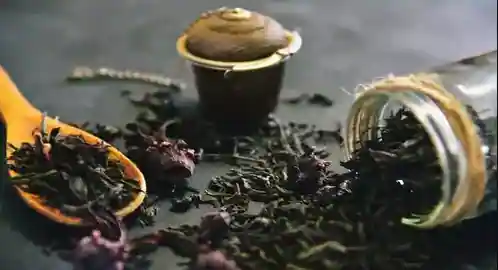
In the forested hills of Arunachal Pradesh, far from manicured tea estates and industrial factories, an ancient tea tradition is quietly drawing national and global attention. Singpho Phalap, also known as Singpho Tea, is a fermented tea prepared by the Singpho tribe – one of the earliest known communities to cultivate and consume tea in India. Rooted in centuries-old indigenous knowledge, Phalap today stands at the intersection of heritage, sustainability, and renewed cultural pride.
An Indigenous Legacy Older Than Plantations
Long before tea became a commercial crop under colonial rule, the Singpho community of eastern Arunachal Pradesh had already mastered the art of tea consumption. The Singphos traditionally harvested wild tea leaves from the Camellia sinensis var. assamica plant, which grows naturally in the region’s subtropical forests. Historical records suggest that it was the Singphos who introduced tea plants to British explorers in the early 19th century, eventually leading to the development of Assam’s tea industry.
Yet, while commercial tea expanded rapidly, Singpho Phalap remained a community-bound tradition passed orally through generations and prepared using methods unchanged for centuries.
What Is Singpho Phalap?
Singpho Phalap is not brewed like conventional tea. It is a fermented tea, prepared by hand-processing freshly plucked tea leaves. The leaves are lightly roasted, packed tightly into bamboo cylinders, sealed with leaves, and left to ferment naturally for several months. The result is a compact, aromatic tea cake with a deep, earthy flavour.
To consume Phalap, small portions are scraped or broken off and boiled with water. Traditionally, the brew is often enhanced with salt, herbs, or even ginger, depending on local customs and seasons.
Cultural and Ritual Significance
For the Singpho people, Phalap is more than a beverage; it is a symbol of hospitality, community bonding, and ritual life. The tea is served during festivals, weddings, community meetings, and important social occasions. Offering Phalap to guests is considered a mark of respect.
Elders in Singpho villages view the tea as a cultural heirloom. The knowledge of identifying the right leaves, controlling fermentation, and storing the tea safely is traditionally preserved within families, especially by women, who play a central role in its preparation.
Health Beliefs and Natural Fermentation
While modern scientific studies on Singpho Phalap are still limited, the tea is widely believed within the community to aid digestion, boost immunity, and provide warmth in the region’s humid and cool climate. Its natural fermentation process aligns it with other global fermented teas, such as China’s pu-erh, known for probiotic properties.
Unlike mass-produced teas, Phalap is free from chemical processing, artificial flavouring, or preservatives, making it appealing to health-conscious consumers seeking natural alternatives.
Revival Through Recognition and Research
In recent years, Singpho Phalap has gained renewed attention from researchers, cultural historians, and sustainable food advocates. Academic institutions and anthropologists have highlighted its historical role in India’s tea story, while government and cultural bodies have begun documenting the practice to prevent its erosion.
Local initiatives are also encouraging younger members of the Singpho community to learn traditional methods, ensuring the knowledge does not fade in the face of modernisation.
Challenges on the Path Ahead
Despite growing interest, Singpho Phalap faces challenges. Production remains small-scale and labor-intensive, limiting its reach. There is also the risk of cultural dilution if commercialisation occurs without community control.
Experts stress that any expansion must be ethical, ensuring fair compensation, geographical authenticity, and respect for indigenous ownership of knowledge. Protecting the identity of Phalap is as crucial as promoting it.
A Brew That Tells a Story
In an era where consumers increasingly seek stories behind what they consume, Singpho Phalap offers a rare blend of history, culture, and sustainability. Each bamboo-fermented bundle carries within it the memory of forests, ancestral wisdom, and a community’s quiet resilience.
As Arunachal Pradesh continues to assert its rich cultural identity on the national stage, Singpho Phalap stands as a reminder that some of India’s most valuable traditions are not new discoveries but ancient practices waiting to be rediscovered.
By – Sonali