


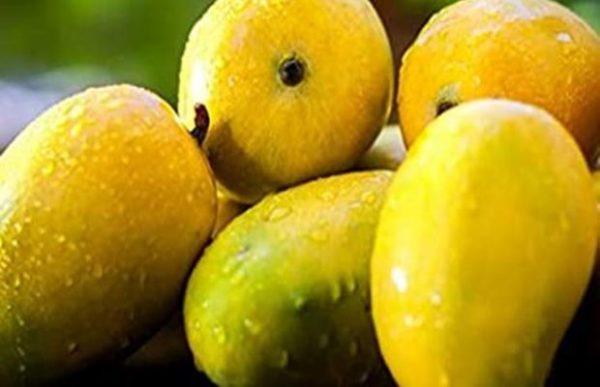
Known locally as Jardalu, the Bhagalpuri Zardalu mango continues to shine as one of Bihar’s most prized horticultural products, gaining attention from domestic markets and steadily growing international demand. Long admired by mango lovers for its distinctive fragrance and taste, Zardalu has emerged as an agricultural success story rooted in tradition and supported by modern agricultural initiatives.
A Heritage Crop with Modern Recognition
Zardalu’s origins trace back to the early 19th century when Maharaja Rahmat Ali Khan Bahadur is believed to have planted the first sapling in the Bhagalpur region. This original “mother tree” has been preserved in Tagepur village for over two centuries, standing as a testament to the variety’s deep cultural roots.
Despite not being as commercially famous as Indian mango varieties like Alphonso or Dussehri, Bhagalpuri Zardalu has steadily earned its place among discerning fruit connoisseurs. Its Geographical Indication (GI) tag, awarded in 2018, formally recognizes its unique qualities and ties to the Bhagalpur region, safeguarding its identity and creating opportunities for branding and export.
Distinctive Characteristics and Nutritional Profile
Zardalu mangoes are medium-sized, typically weighing between 180 and 300 grams per fruit, with creamy-yellow skin and pulp that stands out for its delicate aroma, rich sweetness, and minimal fiber. The thin skin makes the fruit highly aromatic but also presents challenges for storage and transport, as the delicate peel is prone to damage.
The fruit’s flavor profile – sweet, fragrant, and satisfying — has earned it local nicknames like “the love fruit,” and among growers it’s appreciated for its balanced sugar content, making it suitable even for those watching their sugar intake. It also provides vitamins A, B6, and C, along with potassium and antioxidants.
Production and Market Dynamics
Currently, Zardalu cultivation is concentrated in Bhagalpur and neighboring districts like Banka and Munger, where loamy soils and a temperate climate offer ideal growing conditions. Approximately 1,500 hectares in Bhagalpur alone are dedicated to this variety, yielding around 10,000 metric tonnes annually.
While Indian mango markets remain dominated by other well-known cultivars, Zardalu has been making inroads in larger retail environments. In 2025, local Bhagalpur producers successfully showcased Zardalu in major domestic malls, bolstering consumer awareness beyond regional boundaries.
Seasonal prices can vary significantly; reports from recent mango seasons indicate that Zardalu fetched ₹60–70 per kilogram in local markets, a notable increase compared to previous years.
Export Growth and Government Support
A major development for Zardalu producers came in February 2023, when the Central Government granted export licenses to Farmer Producer Organizations (FPOs) in Bhagalpur. These licenses enable direct exports of GI-tagged products like Zardalu mangoes to global markets, a move expected to enhance farmer incomes and broaden international exposure.
Local officials have also highlighted plans to expand the export footprint, with efforts underway to streamline logistics and packaging to mitigate post-harvest losses, a common challenge for thin-skinned fruits. Earlier registrations with the Agricultural and Processed Food Products Export Development Authority (APEDA) aim to increase the number of compliant producers and improve export readiness.
Innovation and Future Prospects
Beyond marketing and export support, scientific institutions like Bihar Agricultural University, Sabour, are actively engaged in research to enhance Zardalu’s commercial appeal. Efforts include developing improved cultivars with better size and color uniformity to meet international standards, potentially elevating Zardalu’s status to rival marquee varieties like Alphonso in global markets.
Cultural Significance and Consumer Appeal
Zardalu’s appeal goes beyond taste; it occupies a cherished place in Bihar’s cultural landscape. For decades, boxes of Bhagalpuri Zardalu have been presented as gifts to dignitaries, including India’s president and prime minister, symbolizing regional pride and agricultural excellence.
With its GI tag, growing market presence, and scientific backing, Bhagalpuri Zardalu stands at the crossroads of heritage and modern commerce. As consumer demand grows both within India and abroad, this golden-hued mango may well become a flagship export crop for Bihar’s horticulture sector in the years ahead
By – Sonali