


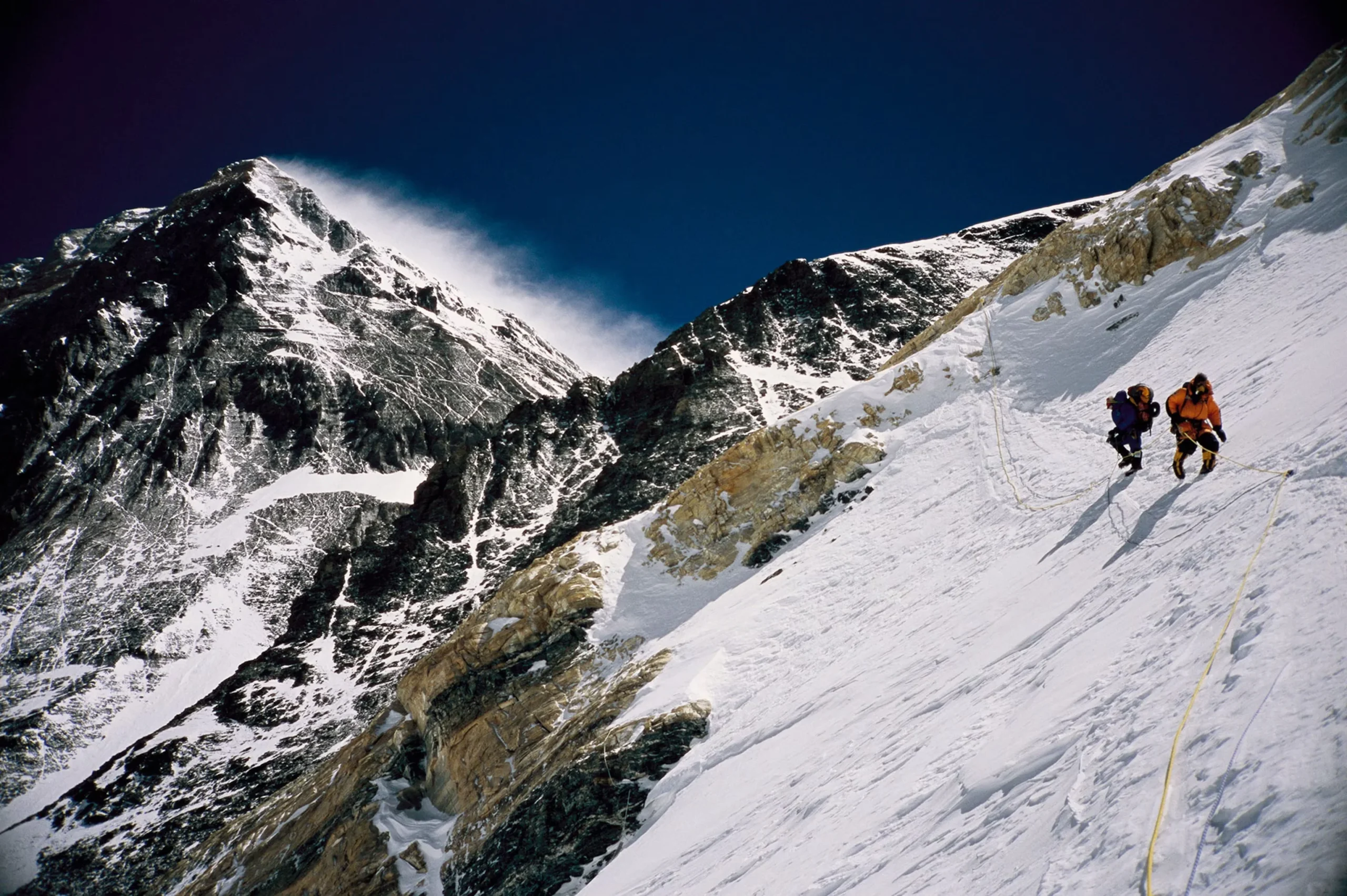
Nepal, home to the majestic Mount Everest, is planning to impose stricter requirements for those seeking to scale the world’s highest peak. With an increasing number of fatalities and concerns over the environmental and safety impacts of overcrowding, the government is working on new regulations aimed at ensuring that only experienced climbers are granted permits for Everest expeditions.
In This Article:
This article delves into the reasons behind these proposed changes, the impact on potential climbers, and the potential implications for the mountaineering community.
The New Everest Permit Proposal
What Is the Change?
Nepal’s new regulations focus on limiting the number of permits issued for Mount Everest. The proposal seeks to restrict access to climbers who have previously summited mountains that are at least 7,000 meters high, meaning they need prior high-altitude experience to be eligible for the permit. The Nepalese government aims to make the application process more stringent and comprehensive, with requirements that prioritize climbers’ experience, safety, and environmental responsibility.
This move is part of Nepal’s larger effort to preserve the mountain’s delicate ecosystem while addressing the growing concerns about overcrowding on Everest. It is expected to reduce the number of inexperienced climbers, who have contributed to the dangerous conditions at the summit, including overcrowding, traffic jams, and a higher number of casualties.
The Rationale Behind the New Rules
The primary reason for introducing these restrictions is to mitigate the increasing number of deaths and accidents on Mount Everest. Every year, the mountain sees numerous climbers, some of whom are not adequately prepared for the challenges posed by the peak. Mount Everest’s unforgiving environment, with its thin air and extreme cold, presents challenges that are often underestimated by climbers without sufficient experience.
According to the Ministry of Tourism and Civil Aviation in Nepal, the number of deaths on Everest has risen in recent years, with reports showing that many climbers do not have the necessary skills or experience to handle the extreme conditions at high altitudes.
Additionally, overcrowding has been a serious issue in recent years, with long queues at key points on the summit, especially during the peak climbing season in May. This has led to bottlenecks, making it difficult for climbers to progress safely, and resulting in life-threatening delays. The new rules aim to address this issue by ensuring that only those with adequate experience will attempt the climb, reducing the risk of overcrowding.
The Impact of the New Rules on Climbers
Stricter Experience Requirements
Under the new proposal, climbers will be required to demonstrate that they have summited peaks that are 7,000 meters or higher. This rule is expected to exclude a significant number of potential climbers who lack the necessary high-altitude experience but still wish to summit Everest. While this may discourage someone from applying for a permit, it is seen as an important step in ensuring that only those who are well-prepared are attempting to climb.
Climbers who do not meet the experience requirements may still have the option to gain experience by summiting lower peaks in Nepal or other parts of the world. However, the new rules are designed to ensure that those who do attempt to summit Everest have a higher chance of success and survival.
Environmental and Safety Concerns
One of the major drivers behind these changes is the increasing environmental damage caused by the influx of climbers on Everest. The influx of tourists has contributed to a significant amount of waste being left behind, including oxygen tanks, food wrappers, and other debris. This waste has had a detrimental effect on the environment, further highlighting the need for better regulation.
In addition to environmental concerns, the safety of climbers is another priority. With fewer inexperienced climbers attempting the ascent, the risks associated with the climb, such as avalanches, rockfalls, and hypothermia, are expected to decrease. As the new rules filter out climbers without the required experience, it will help ensure that the climbers who do reach the summit are better prepared to deal with these dangers.
The Climbing Community’s Reaction
Mixed Reactions
The proposed changes have elicited mixed reactions within the global climbing community. Some mountaineers and guides have welcomed the move, citing the need for stricter controls to preserve the sanctity of Everest and ensure climbers’ safety. They argue that the decision will improve the overall quality of expeditions and reduce fatalities.
However, others have expressed concerns that the new rules could limit access to the mountain for many climbers who have the potential but lack experience. For some, Everest is a dream, and they feel that the proposed experience requirements might prevent them from attempting the climb.
A Potential for Change in the Mountaineering Culture
If adopted, the new regulations will likely change the culture of mountaineering on Everest. With stricter requirements for climbers, there may be a shift in focus towards more responsible and ethical mountaineering practices. This could include better preparation, environmental stewardship, and a greater emphasis on mountaineering skills over the desire for bragging rights.
Moving Forward: A Step Toward Safer, More Responsible Climbing
While these changes may initially seem like a setback for some aspiring climbers, the decision to restrict Everest permits is a positive step in the direction of making climbing the world’s highest peak a safer and more responsible endeavor. By ensuring that only experienced climbers are allowed to summit, Nepal is taking a stand on preserving the mountain’s fragile environment and reducing the risk of accidents.
In the long run, these new rules could help to maintain Everest’s status as one of the most iconic and sought-after peaks in the world, while ensuring that those who attempt to scale it are better prepared for the challenges they face.
By – Nikita