


2025 was a defining year for celebrity culture, not because scandals were new, but because fandom behaviour became the story. Online fan communities acted like rapid-response teams—defending favourites, prosecuting perceived wrongs, and turning every dispute into a referendum on identity, ethics, and power. Across industries and continents, these controversies showed how support can tip into surveillance and accountability into mob logic.
Ranveer Singh’s “Kantara/Daiva” mimicry backlash
A stage imitation of a Daiva/Chaundi performance associated with Kantara triggered sharp criticism for cultural insensitivity, particularly among those who view Daivaradhane as sacred practice. Ranveer later apologised, and the episode demonstrated a modern fandom pattern: cultural communities and fan bases acting as public arbiters of “respect,” intent, and harm—often in real time.
Saif Ali Khan’s stabbing: solidarity and speculation
When Saif Ali Khan was stabbed during an intrusion at his Mumbai home in January 2025, online communities rallied with concern—but also flooded platforms with theories, details, and invasive commentary. The incident highlighted fandom’s shift from admiration to a form of collective ownership: fans didn’t only grieve or support, they tried to “solve” the event.
Deepika Padukone’s exits and the “diva” narrative machine
Deepika’s reported exits from Spirit and later the Kalki sequel generated a familiar cycle: “difficult actor” allegations vs fan-led counter-narratives stressing workplace equity and double standards. When Deepika addressed the larger issue of working-hour expectations, it became less about one project and more about how fandoms now litigate labour norms through celebrity stories.
Blake Lively vs Justin Baldoni: fandom as a legal PR battlefield
The It Ends With Us dispute evolved into a sprawling legal and reputational war, with fan communities splitting into camps and amplifying selective narratives as if courtroom filings were episodic content. With Baldoni’s major suit dismissed in June 2025 and the trial calendar extending into 2026, the controversy showed how fandom increasingly weaponises social media—turning legal conflict into daily “team sports.”
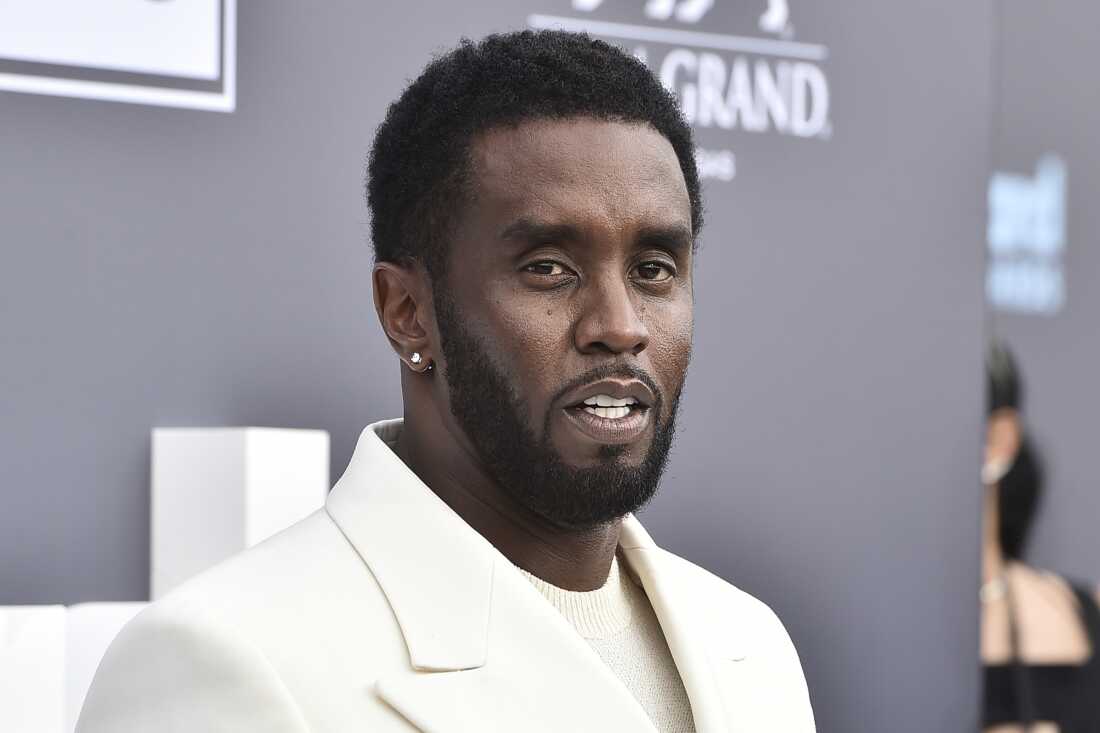
Sean “Diddy” Combs: mass disavowal and “instant cancellation”
As criminal proceedings and civil suits dominated headlines, public reactions illustrated fandom’s capacity for swift, collective reversal—where long-standing cultural status can collapse rapidly under sustained allegations and courtroom developments.
Sydney Sweeney’s “Great Jeans” campaign: outrage cycles vs loyal defence
American Eagle’s “Sydney Sweeney has great jeans/genes” campaign was criticised for perceived eugenics undertones, while supporters argued the outrage was performative or bad-faith. The backlash demonstrated how fandom often becomes the interpreter of intent—and how brand, celebrity, and audience now co-produce controversy.
Kanye West’s renewed spiral: the durability of parasocial bonds
Fresh antisemitic remarks and the ensuing professional fallout again tested the limits of fan loyalty. Even as mainstream support eroded, a committed core remained—underscoring how parasocial attachment can outlast repeated reputational damage.
What these controversies revealed about fandom in 2025
- Fandom is now infrastructure: it mobilises faster than traditional PR and often shapes first impressions before facts stabilise.
- Accountability has become performative: many online “verdicts” are less about outcomes and more about signalling group identity.
- Privacy boundaries are collapsing: safety incidents and personal decisions invite crowd investigation and entitlement.
- Narratives polarise by default: audiences increasingly consume controversies as binary loyalty tests—support or “cancel.”
—By Manoj H