


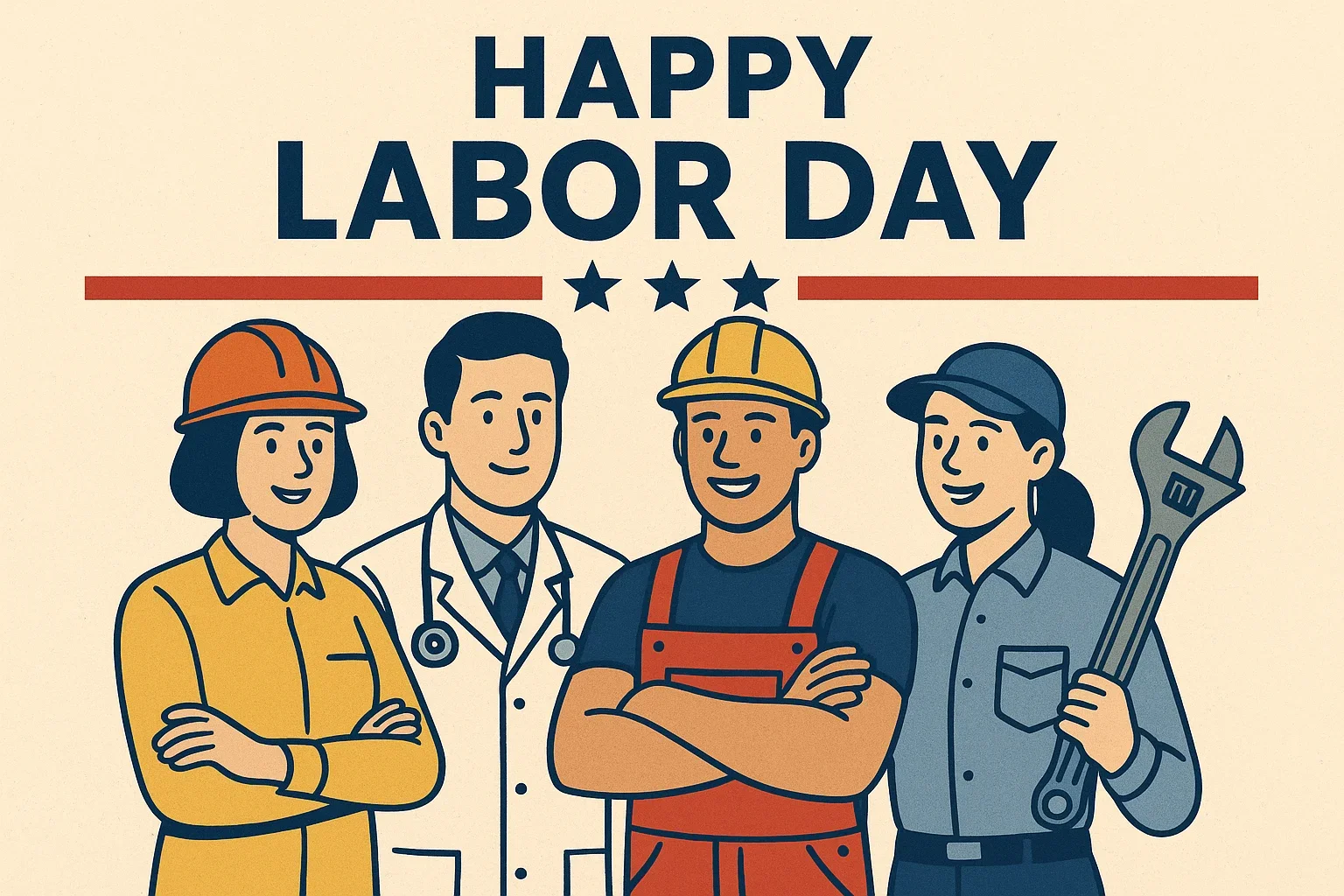
Labor Day, celebrated annually on May 1 as International Workers’ Day or May Day in much of the world, has long stood as a testament to the resilience and collective power of workers. Rooted in the labor movements of the 19th century, its evolution reflects not only the triumphs of workers’ rights but also the shifting dynamics of work itself. As we stand in 2025, Labor Day prompts us to reflect on how far we’ve come—from the fight for an eight-hour workday to navigating a labor landscape increasingly shaped by artificial intelligence (AI). This editorial traces the historical arc of Labor Day, examines its modern significance, and critiques the role of AI in redefining work, urging us to balance technological progress with human dignity.
In This Article:
The Historical Roots of Labor Day
Labor Day’s origins lie in the labor struggles of the late 19th century, a time when industrialization brought grueling working conditions, long hours, and meager wages. In the United States, the movement crystallized around a nationwide strike in 1886, demanding an eight-hour workday. This culminated in the tragic Haymarket Affair in Chicago, where a labor demonstration turned violent, resulting in deaths and galvanizing the global labor movement. May 1 was chosen to commemorate this struggle, becoming a symbol of workers’ solidarity and the fight for social justice.
In India, Labor Day was first observed in Chennai in 1923, marking the country’s entry into the global labor movement. Over time, it became a platform to advocate for fair wages, safe workplaces, and protections against exploitation. Globally, Labor Day has grown into a celebration of workers’ contributions while highlighting ongoing challenges, from informal labor to gender disparities.
Labor Day Through the Decades
The 20th century saw Labor Day evolve alongside labor laws and economic shifts. In many countries, it became a public holiday, marked by rallies, marches, and cultural programs. The International Labour Organization (ILO), established in 1919, played a pivotal role in setting global labor standards, influencing themes for Labor Day that addressed issues like worker safety, social protection, and equality.
In India, labor laws have progressed significantly, with the consolidation of 29 laws into four labor codes regulating wages, safety, and industrial relations. Yet, challenges persist—90% of India’s workforce remains in the informal sector, where access to these protections is limited. Initiatives like the e-Shram Portal and MGNREGA aim to bridge this gap, but their implementation remains uneven.
By the early 21st century, Labor Day began reflecting new realities: globalization, the gig economy, and technological disruption. The rise of automation and digital platforms shifted the focus from traditional labor concerns to issues like job insecurity and the need for digital skills. As we reach 2025, AI has emerged as a transformative force, reshaping the very nature of work and raising profound questions about the future of labor.
AI and the Labor Landscape in 2025
In 2025, AI is no longer a futuristic concept but a central driver of the labor market. From generative AI tools like ChatGPT to advanced robotics, AI is reshaping industries, job roles, and workplace dynamics. According to McKinsey, AI could automate up to 30% of current work hours in the U.S. economy by 2030, with sectors like office support, customer service, and food services facing significant disruption. However, AI is also projected to create millions of new jobs, particularly in STEM, creative, and business sectors.
The U.S. Bureau of Labor Statistics (BLS) has begun incorporating AI’s potential impacts into its occupational projections. Case studies from the 2023–33 cycle highlight how AI affects occupations like computer programming, legal services, and engineering, often shifting tasks rather than eliminating jobs outright. For instance, while AI can automate routine coding, it enhances the productivity of programmers by handling repetitive tasks, allowing them to focus on creative problem-solving.
Globally, AI’s impact varies. Advanced economies like the U.S. and UK face higher AI exposure due to their reliance on professional and managerial roles, while emerging markets like India and Brazil see more muted effects. Women and highly educated workers are particularly exposed, as their roles often involve tasks AI can complement or replace. In the Philippines, 86% of knowledge workers use AI, outpacing global averages, signaling a rapid embrace of AI to boost productivity.
Yet, AI’s integration raises ethical and social concerns. Algorithmic bias, data privacy, and job displacement threaten worker autonomy and equity. The gig economy, reshaped by AI-driven platforms, offers flexibility but often lacks job security or benefits. Moreover, the rapid pace of AI innovation makes it challenging to predict long-term impacts, necessitating proactive policymaking.
Where Have We Reached in 2025?
Labor Day 2025 is a moment to celebrate workers’ achievements while confronting new challenges. The theme for this year, though not yet announced, is likely to address pressing issues like digital employment, AI ethics, or climate-related labor transitions, as suggested by the ILO’s focus on modern labor dynamics.
We’ve reached a point where AI is both a disruptor and an enabler. It has the potential to enhance productivity and create new opportunities, but it also risks exacerbating inequalities if not managed responsibly. The World Economic Forum estimates that by 2025, AI could eliminate 85 million jobs but create 97 million new ones, underscoring its dual nature. Roles like AI trainers, human-AI interaction specialists, and change management consultants are emerging, highlighting the need for hybrid skills combining technical expertise with human judgment.
In India, where the informal sector dominates, AI’s benefits—such as improved supply chain efficiency or access to digital platforms—must be weighed against the risk of job losses in low-skill sectors. Government initiatives to upskill workers and integrate AI ethically are critical to ensuring inclusive growth. Globally, fostering trust through transparent AI policies and involving workers in decision-making will be key to a balanced future.
A Call to Action
As we commemorate Labor Day 2025, we must honor the legacy of those who fought for workers’ rights while charting a path forward in an AI-driven world. This requires a collective effort: policymakers must update legal frameworks to address AI’s challenges, businesses must prioritize ethical AI adoption, and workers must embrace lifelong learning to stay competitive. Above all, we must ensure that technological progress serves humanity, not supplants it.
Labor Day reminds us that the struggle for dignity, fairness, and justice in work is ongoing. In 2025, as AI reshapes the labor landscape, let’s commit to a future where innovation amplifies human potential and every worker’s voice is heard.
-By Manoj H