


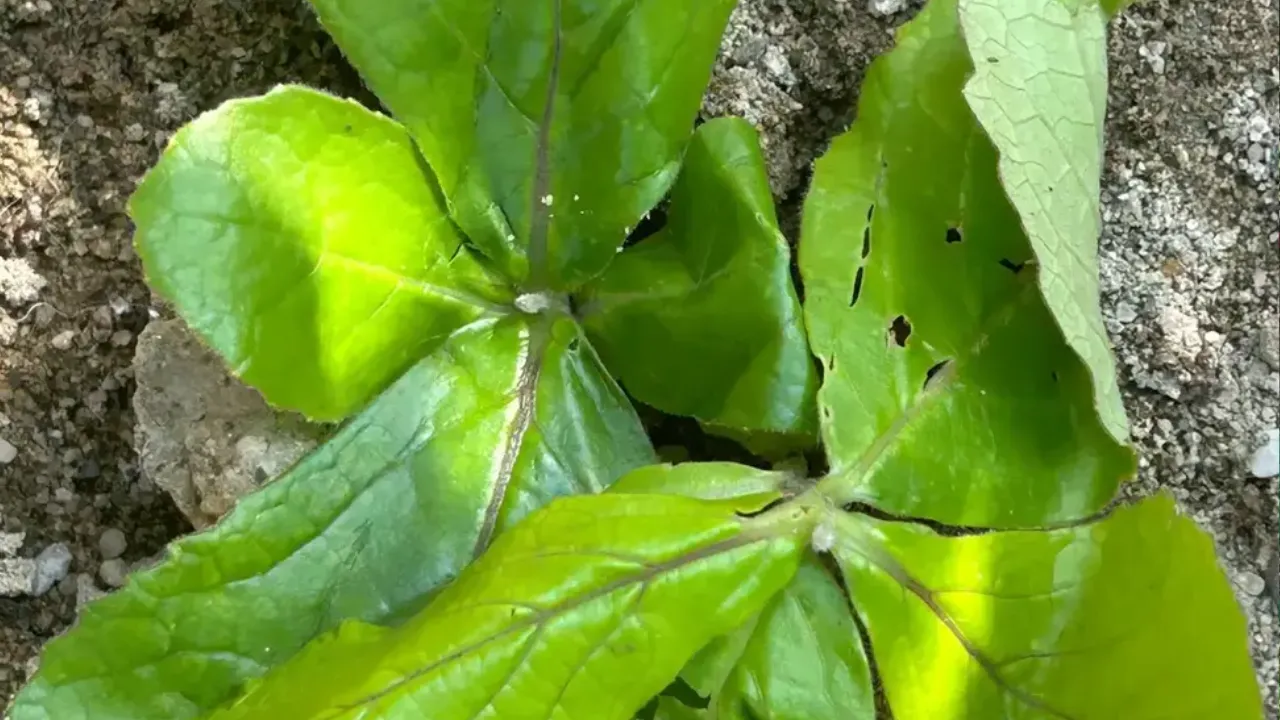
Bodo Keradapini, a traditional plant closely associated with the Bodo community of Assam, is gaining fresh cultural and economic attention after receiving a Geographical Indication (GI) tag. Long valued in local kitchens and folk wellness practices, the GI recognition positions Keradapini not only as a symbol of indigenous heritage but also as a product with growing market relevance—provided cultivation and branding remain authentic and community-led.
What is Bodo Keradapini?
Bodo Keradapini is identified with Premna herbacea, a low-growing leafy plant that is commonly gathered and cultivated in Assam’s Bodoland Territorial Region (BTR). For Bodo households, it is more than a wild herb—it is part of everyday food culture and seasonal traditions.
In local practice, Keradapini is typically consumed as a leafy ingredient in home-style dishes and is also used in traditional remedies. Its identity is strongly tied to the region’s ecology and to the Bodo community’s inherited knowledge of when and how to harvest and cook it.
What the GI tag means
The GI tag is a form of legal protection that links a product’s name and reputation to a specific region and its traditional production practices. In the case of Bodo Keradapini, the GI recognition helps ensure that the product marketed under this name reflects its genuine geographic and cultural origin—and is not misused by outside sellers or mass-market imitations.
Importantly, a GI tag is not only a stamp of “uniqueness”; it can also support better pricing, improved visibility in wider markets, and long-term incentives for local farmers to sustain cultivation.
Food, festival and cultural identity
Keradapini holds special cultural value during Bwisagu, the Bodo New Year festival. Many families believe that dishes made with Keradapini help the body adapt to seasonal change and protect against common ailments—an idea rooted in generations of community wisdom.
Its use during festival meals and ritual gatherings has helped the plant survive as a living cultural practice, not just a botanical curiosity. In a time when many indigenous food traditions face erosion, Keradapini’s GI recognition is being seen locally as validation of Bodo heritage and identity.
Medicinal and nutritional relevance—what to say carefully
Keradapini is widely described in local tradition as a plant with wellness value. Traditional use includes preparations for common concerns such as fever, cough, digestive discomfort, body aches, and general weakness. Some communities also use leaf pastes or extracts in folk practice for symptomatic relief.
In parallel, preliminary scientific studies on Premna herbacea and related plants have explored the presence of bioactive compounds (such as flavonoids and tannins) and investigated antioxidant or anti-inflammatory potential. However, it is important to present this responsibly: these studies do not automatically translate into proven clinical benefits for humans without deeper trials and validation.
Economic opportunity: from local staple to wider markets
The GI tag could significantly change the economic trajectory of Bodo Keradapini in these ways:
- Better market value for authentic producers
- With clearer provenance, growers and small sellers may negotiate improved pricing, especially in heritage-food and organic segments.
- Livelihood support for tribal farmers
- If cultivation expands sustainably, Keradapini can strengthen income options for small farmers and community collectives.
- Scope for value-added products
- GI recognition often opens pathways for structured branding: dried leaves, packaged mixes, or GI-certified supply chains—provided the community retains ownership of the narrative and the value chain.
That said, the moment GI products become commercially attractive, risks also rise: overharvesting, dilution of quality, and attempts to market lookalikes under similar names. This is why sustainable cultivation practices and proper GI-linked authorisation systems matter.
A living tradition with a larger future
For decades, Keradapini was primarily a local treasure—known deeply within Bodo kitchens and community memory. The GI tag now brings it into a wider national conversation about heritage crops, indigenous knowledge, and biodiversity-based livelihoods.
If handled thoughtfully, Bodo Keradapini can become a model case: a traditional plant protected through law, sustained through community practice, and supported through fair market access—without losing the cultural roots that made it valuable in the first place.
By – Sonali