


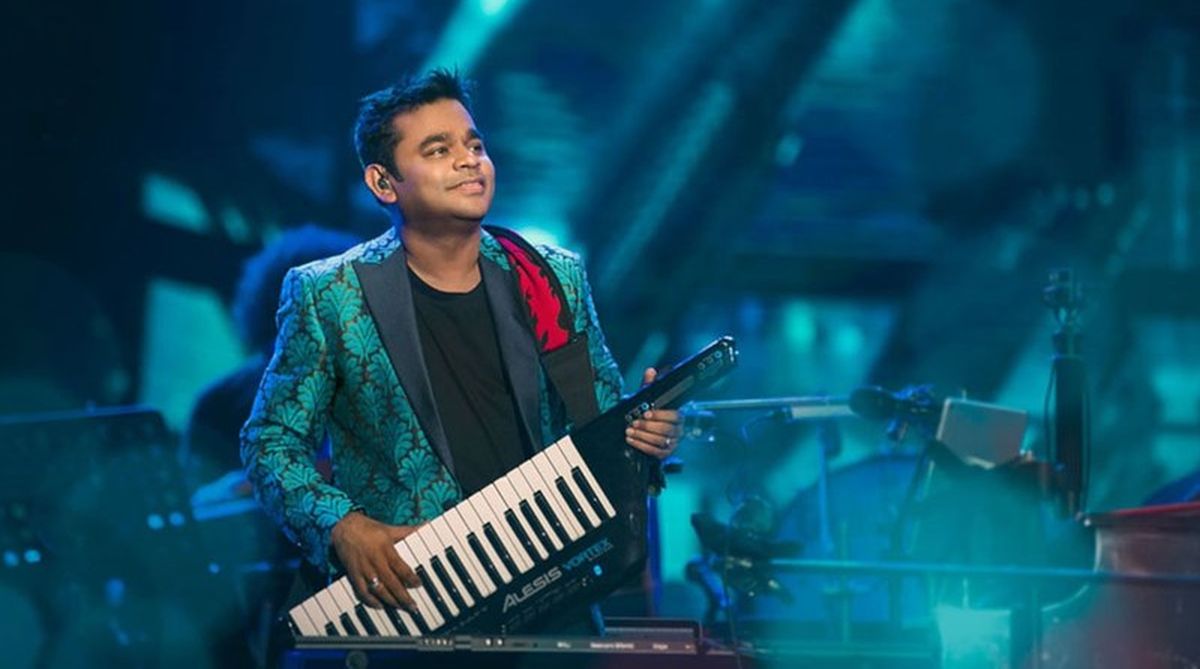
A debate around A.R. Rahman has intensified after a clip from his recent interview with BBC Asian Network went viral, with the Oscar-winning composer suggesting that shifting power dynamics in Bollywood may have included “a communal thing”—though he added it was “not in my face” and came as “Chinese whispers” about projects.
The remark triggered sharp reactions online and a political back-and-forth, with leaders from the ruling party rejecting the allegation and pointing to the prominence of several Muslim artists in Hindi cinema.
Rahman’s response: “Never wished to cause pain”
As the backlash grew, Rahman issued a clarification via a video message, stressing that India remains central to his life and creative journey and that his intent was being misunderstood. In the message quoted by multiple outlets, he said music has been his way of “connecting, celebrating and honouring a culture,” adding that he “never wished to cause pain.”
Support and counterpoints from within the industry
The discussion quickly moved beyond the initial clip, drawing varied responses from film and music circles.
- Actor Paresh Rawal publicly backed Rahman, reposting the composer’s video and calling him the nation’s “pride.”
- Composer Shankar Mahadevan voiced solidarity in media interactions, emphasising that talent and music should transcend religious identities.
- Filmmaker Imtiaz Ali, a frequent collaborator, said Rahman’s remarks were being misconstrued and argued he does not see communal bias as a defining feature of the industry.
At the same time, the episode also brought out critical reactions and broader commentary, reflecting a familiar fault line in India’s cultural discourse: whether public figures’ observations about prejudice are being treated as legitimate critique or as provocation.
The larger issue
Beyond Rahman’s statement itself, the episode underscores how quickly artistic conversations become proxies for ideological battles—especially when a short clip is detached from a longer interview and amplified across platforms. It also highlights the growing pressure on creators to either self-censor or constantly clarify intent in a high-friction, hyper-polarised media environment.
For Rahman, the immediate message has been consistent: he insists his work is rooted in cultural connection rather than division, and that public interpretation has drifted far from what he meant to convey.
By – Manoj