


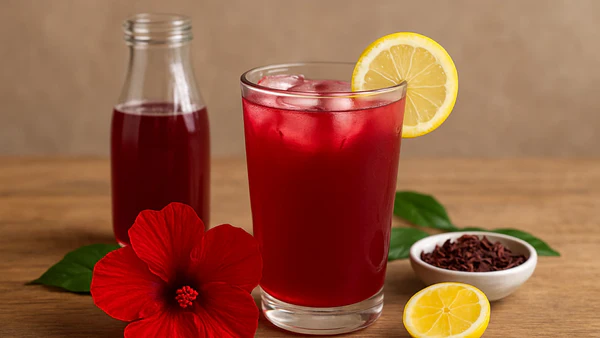
From Uttarakhand’s red hillsides to urban shelves, Burans Sharbat is moving beyond nostalgia—into the national conversation on regional, “clean-label” beverages.
Roots in the Himalaya
Buransh—made from the blossoms of Rhododendron arboreum—has long been part of seasonal food culture in the western Himalaya. In Uttarakhand, the flowers are harvested during late winter and spring (often Feb–Apr, varying by altitude) and traditionally used in local preparations including squash/sharbat.
Why it matters culturally
For many hill communities, buransh season signals a shift in weather and routines. The drink’s appeal is not just taste; it is tied to seasonal memory, home preparation practices, and the idea of consuming what the mountain ecosystem offers at its peak.
From home kitchens to a value chain
What has changed is scale. Research on Uttarakhand’s buransh squash value chain describes increasing demand and the emergence of collection-processing-market linkages—positioning buransh as a non-timber forest product (NTFP) that can support local livelihoods when harvested sustainably.
Wellness buzz: what’s known, what’s claimed
Burans Sharbat’s “functional” reputation comes from both folk practice and early research discussions. Reviews and studies on R. arboreum note the presence of bioactive compounds (including phenolics/flavonoids) and antioxidant-related properties—often cited as reasons it is seen as a seasonal wellness drink. However, these findings should be read as supportive evidence, not clinical proof for specific health outcomes.
Authenticity and quality: the key risk
As buransh moves into packaged formats, the biggest quality gap is simple: ingredient integrity. Many squashes can be sugar-forward or additive-heavy. For a “heritage drink” story, add one clean consumer line: check labels, prefer transparent sourcing, and avoid exaggerated medicinal claims. Rhododendron products have documented grayanotoxin risk in certain contexts, with rare poisoning case reports; sticking to reputable sources and moderate intake is the sensible standard.
Looking Ahead
As India’s appetite grows for regional and natural beverages, Burans Sharbat has a clear runway—if brands protect authenticity, sourcing ethics, and honest labeling, while communities benefit from sustainable harvest models.
By – Sonali