


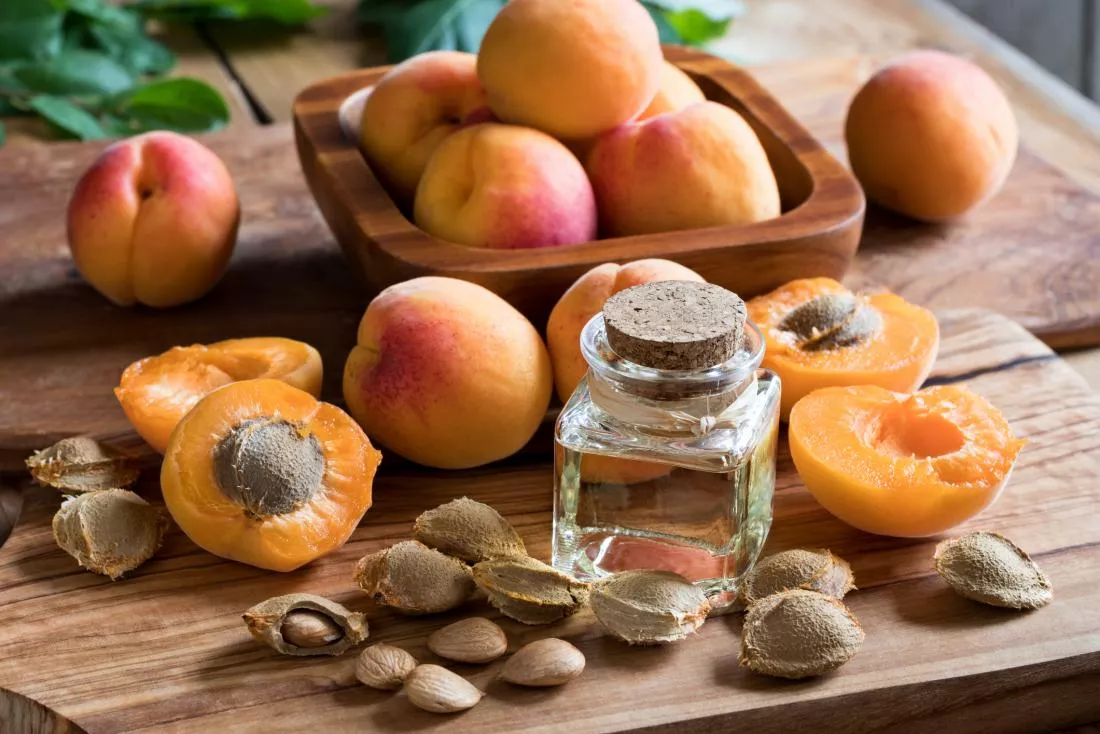
Himachali Chulli Oil—traditional apricot kernel oil from Himachal Pradesh’s high Himalayan belt—is seeing renewed interest as both a kitchen staple and a wellness-led, culturally rooted product. It is extracted from the kernels of wild apricot (locally referred to as chulli) and is recognised as a GI-tagged product, closely identified with Kinnaur, Himachal Pradesh.
GI Tag and Why It Matters
The GI tag strengthens the product’s identity by linking it to its place of origin and traditional know-how—helping protect producers from imitation and consumers from misleading labels. In Himachal Pradesh, chulli oil has been widely associated with Kinnaur, even though wild apricot also grows in other Himalayan pockets.
Where It Comes From
Wild apricot is found across multiple districts of Himachal Pradesh. Documentation around Chulli Oil commonly references districts such as Shimla, Mandi, Kullu, Chamba, Sirmour, Kinnaur, and Lahaul–Spiti, reflecting how the resource base and traditional usage spread across the state’s mountain ecology.
Traditional Making: From Kernel to Oil
Chulli Oil’s reputation is deeply tied to artisanal processing. Traditional records describe a labour-intensive method: apricot stones are sun-dried, kernels are removed and ground into a paste, then gently heated/roasted before the oil is expressed through manual pressing—yielding a fragrant, nutty oil used locally as a cooking medium.
Today, many producers also market chulli oil in cold-pressed form, positioning it for premium culinary and personal-care use.
Uses: Culinary, Skincare, and Folk Remedies
In Himalayan households, Chulli Oil has traditionally been used in multiple ways—especially as:
- a cooking oil with a mild, nutty character,
- a massage oil for dry skin and seasonal discomfort,
- a hair and skin application in local self-care routines.
From a composition standpoint, apricot kernel oil is typically rich in unsaturated fatty acids, dominated by oleic and linoleic acids (with only trace levels of linolenic/omega-3), which is one reason it is widely used in both food and cosmetic contexts.
Market Momentum—and the Authenticity Challenge
As demand grows beyond the hills, the key challenge is scale without diluting authenticity. Premium positioning can invite adulteration or mislabelling, making traceability and credible sourcing essential. The GI identity also matters here—because it encourages clearer provenance and consumer trust when backed by responsible production and verification.
From Himalayan Specialty to National Premium
With rising interest in artisanal foods and natural personal-care ingredients, Himachali Chulli Oil has the potential to move from a regional staple to a recognised premium product nationwide—provided branding, quality checks, and GI-linked authenticity are kept at the centre of its growth story.
By – Sonali