


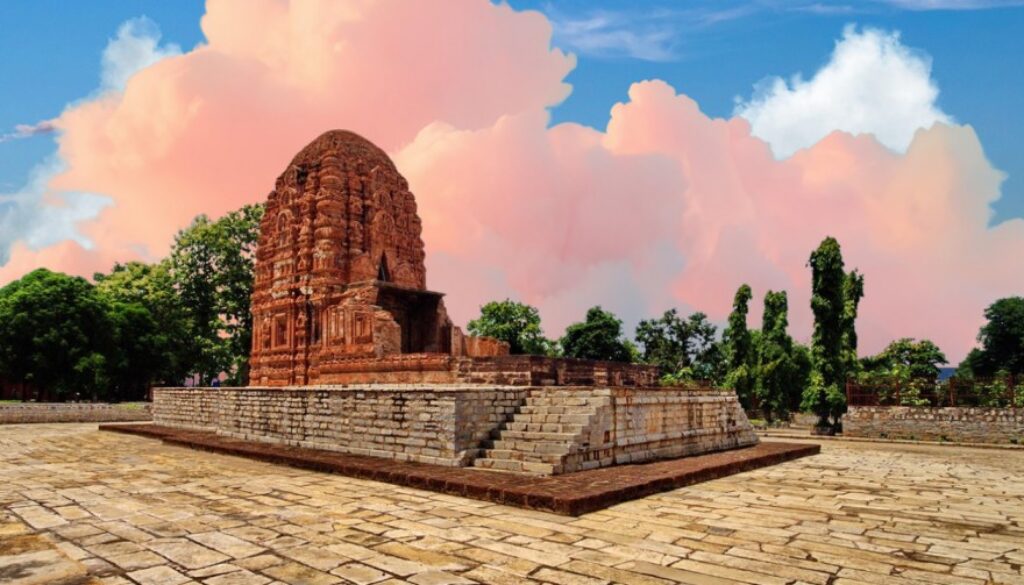
The three-day Sirpur Heritage Festival 2026 began on February 1 and runs through February 3 in Sirpur, drawing attention to the ancient township’s Buddhist past and its growing cultural profile.
Organised jointly by the Sirpur Special Area Development Authority and the Mahasamund district administration, the festival is positioned as both a heritage showcase and a platform to strengthen wider recognition of the site—nationally and internationally.
A historic Buddhist centre, reintroduced to new audiences
Officials describe the location as one of India’s significant ancient centres of Buddhist learning, once a flourishing monastic and intellectual hub. It is believed to have housed more than 10,000 Buddhist monks at its peak, underscoring the scale of religious and scholarly activity historically associated with the region.
The festival narrative also draws on accounts linked to the Chinese pilgrim-scholar Xuanzang, who visited the area around 630–645 CE and is cited for documenting vibrant monasteries and intellectual life.
Separately, organisers and local historical references often link the township to Acharya Nagarjuna—typically framed as an association in historical accounts rather than a firmly evidenced residence—reflecting the region’s broader positioning within early Buddhist philosophy and debate.
UNESCO aspirations, but with process still underway
A headline feature of the programme is a high-level panel titled “UNESCO Aspirations for Sirpur”, focused on conservation, global recognition and sustainable cultural tourism.
Importantly, reporting indicates the push is still in the proposal and documentation strengthening phase: the state submitted a proposal to the central government in January 2025, and survey work has involved the Archaeological Survey of India and National Institute of Technology Raipur. Coverage also notes that the Centre’s response is awaited and that UNESCO has not been formally communicated yet—making the festival panel a vehicle to refine and strengthen the dossier rather than signal a completed nomination step.
Evenings of performance: folk, classical and popular music
While heritage discussions anchor the daytime programming, the festival’s evenings are designed as wide-appeal cultural showcases spanning folk traditions, classical forms and contemporary music.
February 1: The opening night features Chhattisgarhi folk dances, Kathak, the Tathagat drama, a Dhrupad recital, and performances by students from Indira Kala Sangeet Vishwavidyalaya, alongside a special segment by singer Baba Hansraj Raghuvanshi.
February 2: The second evening includes Sufi spiritual music by Ustad Vusat Iqbal Khan, a Kabir-themed musical programme, a drama inspired by Therigatha, and a performance by Hemant Brijwasi.
February 3: The closing night brings together state folk forms—Panthi, Danda and Bastariya dances—followed by a grand finale by Bollywood music duo Meet Bros.
Government backing and local stakes
Vishnu Deo Sai has extended best wishes for the festival, with officials framing it as an annual initiative that supports cultural preservation while also strengthening tourism and local livelihood opportunities.
With its blend of scholarship, spiritual history and mainstream cultural programming, the festival is being used to reposition the ancient township not just as an archaeological site, but as a living cultural destination—one that can credibly argue for broader national and global attention as conservation and nomination paperwork progresses.
By – Sonali