


From slapstick chaos to razor-sharp one-liners, Indian cinema has introduced generations to comic characters who outlived the films they came from. Even as humour today gets faster, louder, and more “scrollable,” audiences keep returning to characters built on strong quirks, distinctive voices, and instantly recognisable human flaws. Here’s a nostalgic look at some of India’s most loved comic figures—and why they still feel irreplaceable.
1) Baburao Ganpatrao Apte (Paresh Rawal)
Few characters capture Bollywood comedy like Baburao—fondly called “Babu Bhaiya”—from the Hera Pheri franchise. Paresh Rawal’s performance turns everyday confusion into high art: stubborn logic, earnest emotion, and expressions that can trigger laughter without a single dialogue cue. The character’s look, accent, and endlessly meme-able presence keep him alive in pop culture long after the credits roll.
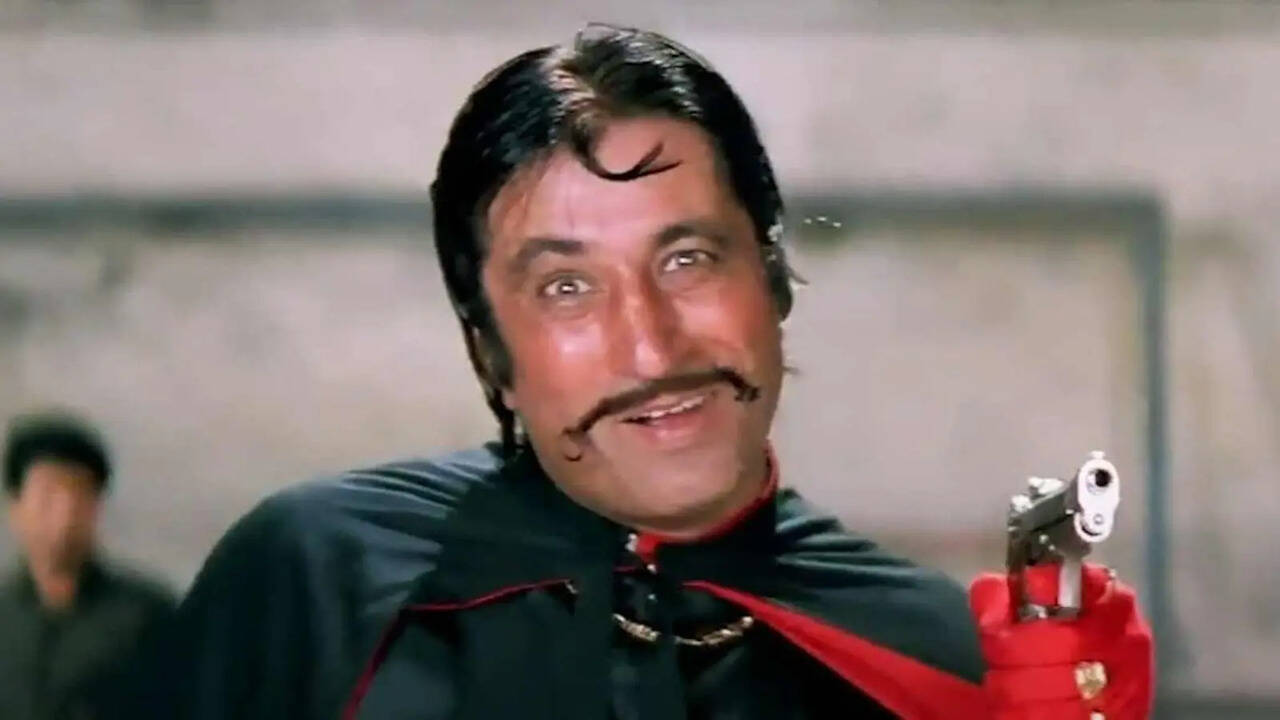
2) Crime Master Gogo (Shakti Kapoor)
In Andaz Apna Apna (1994), Shakti Kapoor’s Crime Master Gogo became a rare phenomenon: a comic villain who steals scenes with pure absurdity. His exaggerated swagger, dramatic pauses, and off-the-wall lines turned him into a cult favourite despite limited screen time—proof that a sharply defined character can achieve immortality in just a handful of moments.
3) The Jailer (Asrani)
Asrani’s “Angrejon ke zamaane…” jailer from Sholay remains one of Hindi cinema’s most quoted comedy beats—powered by theatrical delivery, exaggerated authority, and hidden fear underneath the bluster. Following Asrani’s passing on October 20, 2025, fans were reminded how his comic rhythm helped shape the texture of mainstream Hindi cinema for decades.
4) The Quirky Quartet of In Harihar Nagar (Malayalam)
Malayalam cinema’s In Harihar Nagar (1990) gave audiences four unemployed friends—Mahadevan, Govindan Kutty, Appukuttan, and Thomaskutty—whose messy plans and accidental heroics created a template for buddy-comedy chaos in the region. The humour works because the friendship feels lived-in: their teamwork is real, their stupidity is believable, and their confidence is wildly misplaced—exactly the mix that makes rewatch comedy timeless.
5) Rajpal Yadav’s Scene-Stealing Personas
Across the 2000s and beyond, Rajpal Yadav turned supporting roles into headline moments. From the terrified-yet-talkative Chhote Pandit in Bhool Bhulaiyaa to his memorable turns in Dhol and Chup Chup Ke, he brought a distinct mix of elasticity, panic-comedy, and street-smart timing that made even chaotic ensemble scenes land cleanly.
6) Ashok Saraf–Laxmikant Berde: Marathi Comedy’s Gold Standard
In Marathi cinema, Ashok Saraf and Laxmikant Berde helped define an era of family-friendly comedy through their crackling chemistry and physical humour. Films such as Dhum Dhadaka remain touchstones because their comedy feels rooted in everyday life—misunderstandings, overconfidence, and social satire delivered with warmth rather than cynicism.
Why audiences still miss these characters
Across languages and decades, these comic figures were more than “funny roles.” They became cultural shorthand—characters people quoted at home, referenced with friends, and used to describe real-life situations. Most importantly, their humour came from character-building: distinctive voices, clear motivations, and flaws that felt human.
In today’s era of rapid-fire jokes and short-form punchlines, that slow-cooked, personality-driven comedy feels rarer. And that’s exactly why these characters still matter: they didn’t just make audiences laugh once—they stayed.
By – Sonali