


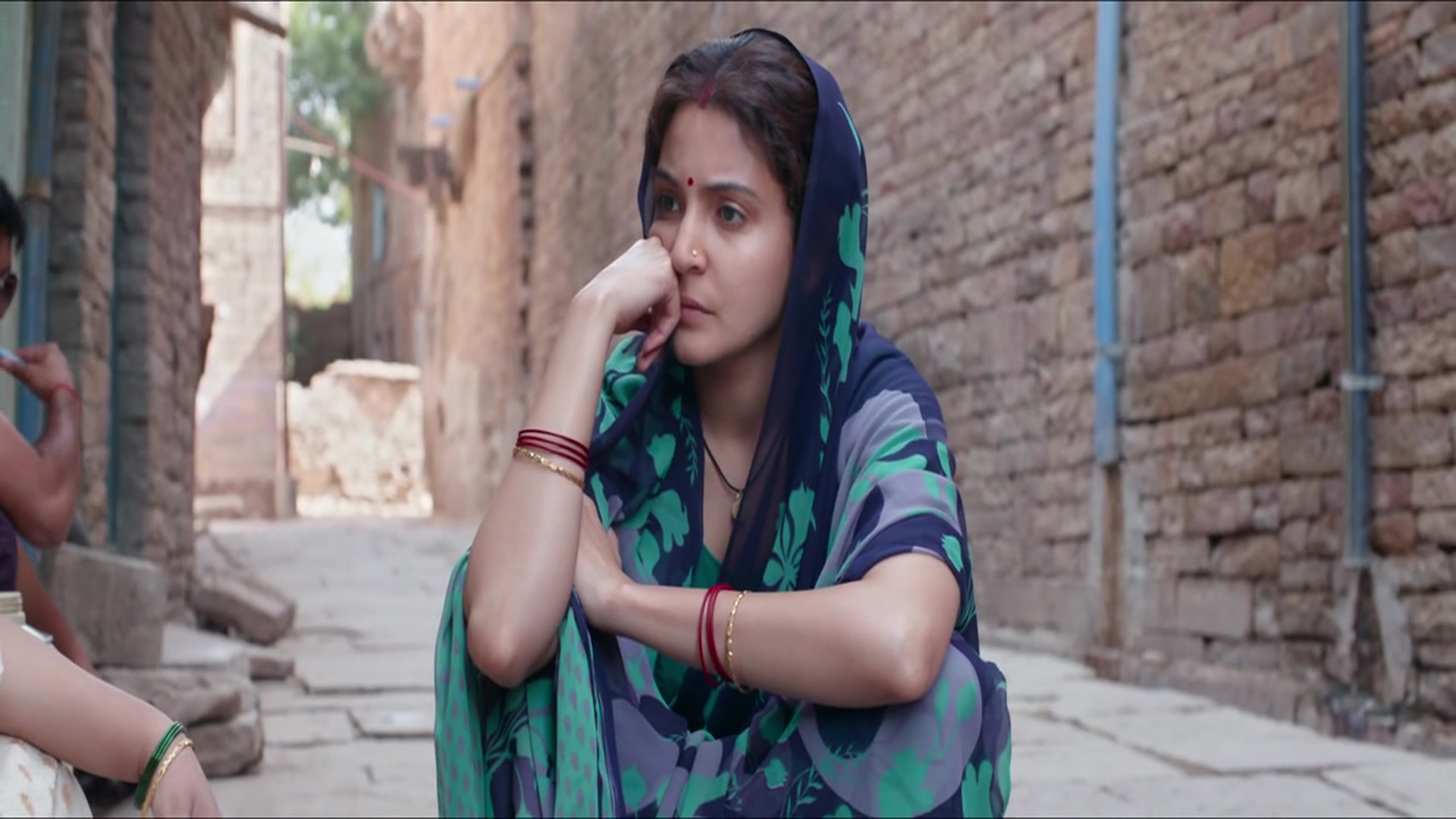
Indian cinema has always found its most enduring stories not just in spectacle, but in the everyday—where aspiration meets anxiety, where dignity battles compromise, and where humour becomes survival. From housing dreams to family taboos, these films capture the middle-class pulse with warmth, wit and cultural truth.
1) Khosla Ka Ghosla (2006) — The Dream of a Home
Director: Dibakar Banerjee
Few films portray the middle-class obsession—and fear—around property like this cult classic. A family’s fight to reclaim their plot becomes a smart, funny look at corruption, jugaad and the emotional weight of owning “apna ghar”.
2) The Lunchbox (2013) — Loneliness, Routine, Connection
Director: Ritesh Batra
Set against Mumbai’s dabbawala system, the film turns ordinary lunches into quiet intimacy. It captures the middle-class rhythm of work, marriage, unspoken disappointments—and the hope that life can still surprise you.
3) Badhaai Ho (2018) — Taboos Inside the Living Room
Director: Amit Ravindernath Sharma
A late pregnancy in a typical family triggers embarrassment, gossip and moral policing—before giving way to acceptance. The comedy lands because the emotions are real: reputation, family honour, and the fear of “log kya kahenge”.
4) Do Dooni Chaar (2010) — Aspirations on a Budget
Director: Habib Faisal
A school teacher’s small dream—buying a car—becomes a layered portrait of middle-class maths: EMI pressure, children’s needs, pride, and the constant negotiation between “want” and “need”.
5) Sui Dhaaga: Made in India (2018) — Dignity of Work
Director: Sharat Katariya
A small-town couple’s turn toward entrepreneurship celebrates self-reliance and craft. Beneath the crowd-pleasing arc is a middle-class truth: respect is often earned the hard way, and dignity is a daily decision.
6) Chhappad Phaad Ke (2019) — Money, Morals, Temptation
Director: Sameer Hemant Joshi
A family finds a bag of money—and the real story begins. The film plays like satire, but the conflict is familiar: consumer desires, social status, and the slippery line between survival and ethics.
Why middle-class stories work
These films endure because they mirror India’s shared realities—housing insecurity, career pressure, social judgement, family expectations, and the search for respect. They don’t need larger-than-life heroes; they need recognisable homes, familiar conversations, and characters who feel like neighbours.
By – Sonali