


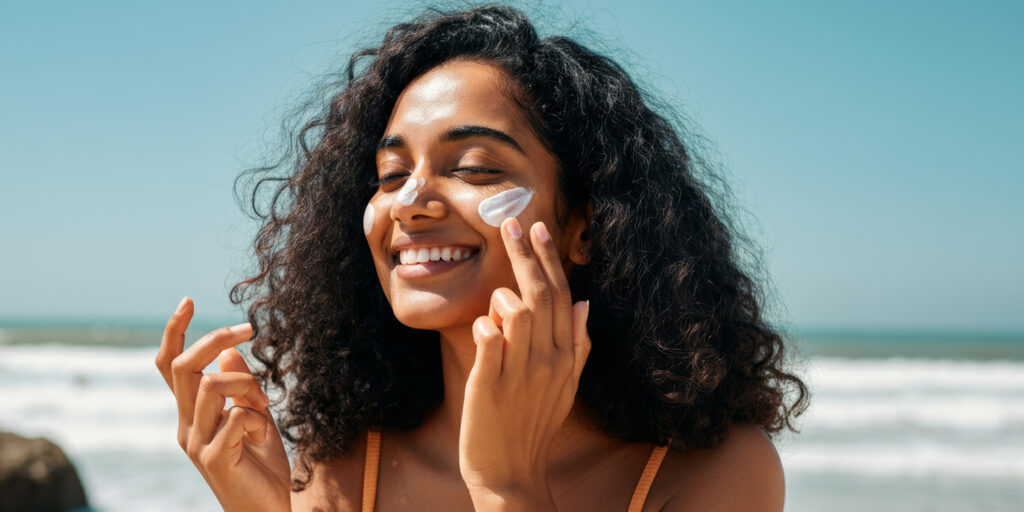
In 2026, India’s skincare shelves are packed with “desi” and Ayurvedic-inspired launches—kesar serums, haldi masks, neem gels, multani mitti packs, and “royal” blends that promise a tradition-backed glow. The trend is real, but the results depend less on the headline ingredient and more on formulation, stability, and how much of the active is actually present.
What’s genuinely promising (tradition + reasonable evidence)
1) Saffron (Kesar)
Saffron contains compounds like crocins/crocetin and safranal that show antioxidant and skin-protective activity in lab and review literature, with potential roles in brightening/anti-pigmentation pathways and overall skin tone support.
Reality check: saffron is not a sunscreen. Treat “UV protection” claims as marketing unless the product is a tested SPF.
How to shop: prefer brands that specify a standardised extract (not just “fragrance” or “colour”), and avoid products where “kesar” is a token mention at the very end of the INCI list.
2) Turmeric (Haldi)
Curcumin is widely studied for anti-inflammatory and antioxidant properties, and topical curcumin has been explored in dermatology—though clinical evidence for everyday cosmetic outcomes is still limited compared to mainstream actives like niacinamide/retinoids.
Reality check: DIY haldi masks can stain and may irritate sensitive skin.
How to shop: choose well-formulated products designed for skin (and patch test). Skip advice like adding pepper at home—piperine can be irritating for some skin types.
3) Neem
Neem has documented antimicrobial potential in the literature and is widely used in dermocosmetic formulations.
There’s also clinical-style evidence for neem-based facial cleansers showing improvement trends in acne measures (product-specific, but directionally supportive).
Reality check: “neem” doesn’t automatically mean gentle—pure neem oil can irritate; formulations matter.
4) Multani Mitti (Fuller’s Earth) + Sandalwood
Multani mitti is highly absorbent and commonly used to reduce the feel of oiliness and surface grime—helpful for oily/combination skin, but it can be drying if overused.
Sandalwood oil/constituents (like santalols) have reported anti-inflammatory and antimicrobial activity, and have been discussed in dermatology-oriented reviews and clinical evaluation contexts.
Reality check: these are supporting players, not “miracle brighteners.” Best framed as calming/mattifying tools used 1–2 times weekly (not daily).
5) Gotu Kola (Brahmi / Centella asiatica)
Centella is one of the better-supported botanicals for barrier support and wound-healing pathways, with literature discussing collagen-related mechanisms and inflammation modulation.
Reality check: it won’t “erase” scars overnight, but it’s a solid choice for sensitivity, redness, and post-breakout recovery in a good base formula.
What’s likely gimmick
“Gold” creams and “royal/Vatsyayana/Rajah” branding
Gold in skincare is heavily marketed, but dermatology sources note there isn’t enough high-quality evidence to confidently support many of the dramatic claims made for topical gold.
And labels like “royal” or “ancient secret” are often branding language—you still have to judge the product by its ingredient list and testing.
Single-ingredient “power serums”
A bottle marketed as “pure kesar” or “pure neem” can be either great—or mostly carrier oil with a small amount of extract. Many brands don’t disclose percentages, so the safest heuristic is:
- Does it name a standardised extract?
- Is the “hero” ingredient placed reasonably high in the INCI list?
- Is the formula stable (opaque packaging for light-sensitive ingredients, preservative system, etc.)?
The smart takeaway
The desi skincare wave is genuinely exciting when it blends traditional ingredients with modern formulation discipline. The best results usually come from:
- realistic claims (soothing, supporting tone, controlling oil—rather than “instant fairness/UV protection”),
- good bases (barrier-friendly, non-irritating), and
- consistent use + patch testing.
Skip the hype, read the INCI, and let tradition and evidence work together.
—By Manoj H