


India’s food map isn’t just delicious—it’s documented. A Geographical Indication (GI) links a product’s identity to its place of origin, protecting the name for producer communities and helping consumers spot the real thing.
Here are six GI-tagged food treasures that deliver a true sense of region—one sip, bite, or spoonful at a time.
1) Darjeeling Tea (West Bengal) — The Hills in a Cup
Often called the “Champagne of teas,” Darjeeling Tea was among India’s earliest GI registrations, with its GI certificate dating back to 29 October 2004.
Taste note: floral aroma, light body, and that signature muscatel finish (especially in second flush).
Best way to try: brew lightly (don’t over-steep) to let the fragrance lead.
2) Kashmir Saffron (Jammu & Kashmir) — Red Gold with Serious Aroma
Kashmir Saffron received GI registration on 1 May 2020.
GI documentation highlights hallmark traits like deep-red stigmas, high aroma, and strong colouring components including crocin.
Taste note: intensely aromatic; a little goes a long way.
Best way to try: soak a few strands in warm milk/water before adding to kheer, kahwa, or biryani.
3) Nagpur Orange (Maharashtra) — Balanced Sweetness, Bright Tang
The Nagpur Orange is GI-registered, with certificate date 31 March 2014.
Taste note: juicy, sweet-tart balance that makes it great both fresh and as juice.
Best way to try: eat fresh in season; zest also lifts marinades and bakes.
4) Chak-Hao (Black Rice), Manipur — Fragrant, Festive, Iconic
Manipur’s famed Chak-Hao (Black Rice) has GI registration dated 20 April 2020.
Taste note: nutty-fragrant, with that dramatic purple-black colour that turns kheer naturally vibrant.
Best way to try: Chak-Hao kheer (festival classic) or as a warm bowl with coconut and jaggery.
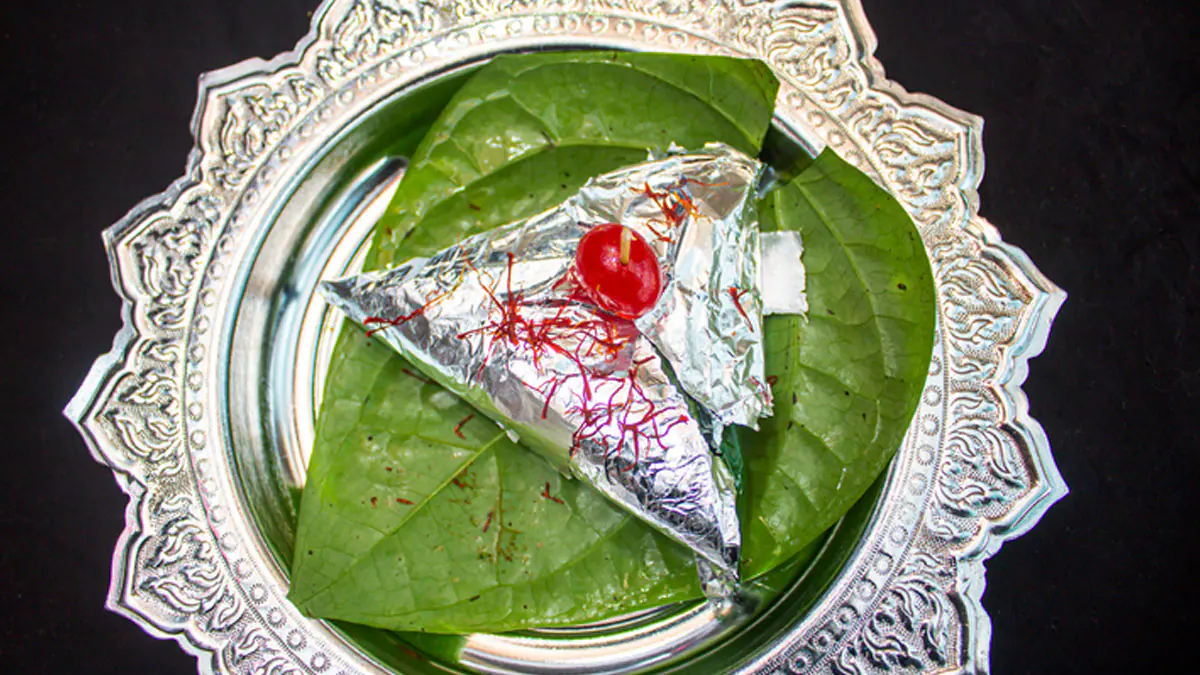
5) Banaras Pan (Betel Leaf), Uttar Pradesh — The Leaf Behind the Legend
Varanasi’s Banaras Pan (Betel Leaf) is GI-registered with certificate date 31 March 2023.
Important: this GI protects the betel leaf identity—prepared “Banarasi paan” versions can vary widely by shop.
Taste note: fresh, aromatic leaf with a sharp-green bite (the base of countless paan styles).
Best way to try: from reputable paan vendors who highlight leaf origin and freshness.
6) Koraput Kalajeera Rice (Odisha) — Small Grain, Big Fragrance
Koraput Kalajeera Rice is GI-registered with certificate date 2 January 2024.
Taste note: tiny grains, elegant aroma—premium feel even in simple meals.
Best way to try: steam it plain once—then pair with dal, ghee, or light fish curry to let fragrance shine.
Why GI Tags Matter
GI tags help protect region-linked foods and support producer communities by legally linking a product name to its origin. “India has 600+ registered GIs; DPIIT cited 605 as of Jan 2025, with more added regularly.”
By – Sonali