


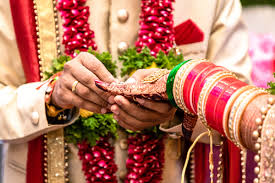
Indian weddings have become legendary for their scale and cost—often running into lakhs or even crores. While lavish ceremonies exist worldwide, the sheer intensity and average expense in India stand out. In 2026, recent surveys and industry reports peg average wedding budgets around the ₹30–40 lakh range, with many middle-to-upper-middle-class weddings falling in the ₹20–50 lakh band (and luxury/metro celebrations easily crossing ₹1 crore). The reasons go deeper than “tradition” or “showing off”—they lie in a powerful mix of psychology, societal pressure and economic realities.
Psychological Drivers: Status, Fear & One-Time Validation
At the heart is the idea that a wedding is a once-in-a-lifetime public validation of success. For many families it is the biggest single event where relatives, neighbours, colleagues and community judge the family’s standing. Spending heavily becomes a way to buy social approval and avoid gossip (“they didn’t even give proper food”, “such a small wedding”). Psychologists call this “conspicuous consumption” mixed with “loss aversion”—the fear of losing face hurts more than the pain of spending extra money.
Societal Pressure: The Invisible Rulebook
Indian society still views marriage as a public alliance between families, not just two individuals. Inviting hundreds (or thousands) of guests is seen as a duty to maintain relationships—skipping someone can cause long-term rifts. Dowry may be officially illegal, but “gifts”, jewellery and lavish hospitality often function as modern equivalents, driven by unspoken community expectations.
Economic Reality: The Cost Trap
Inflation in wedding-related services has stayed high in recent years: wedding budgets have been reported to rise year-on-year, with hospitality (venue + catering) frequently cited as a key driver. Venues, decorators, caterers, photographers, makeup artists, DJs and jewellery prices rise sharply because demand is concentrated in a short wedding season and families are willing to pay premium for “once-in-a-lifetime” memories. The wedding industry in India is now commonly estimated in the ₹6.5 lakh crore range in seasonal business, with some broader estimates going higher depending on what all is included (jewellery, travel, fashion, services).
Many families take loans or dip into savings meant for retirement or children’s education. Recent survey-based reporting suggests ~15% of couples use loans, with an average wedding loan size around ₹15.5 lakh (often for venues, jewellery, décor, and catering). Financial planners and personal-finance coverage frequently flag wedding overspending as a common way families strain long-term goals.
Is Change Happening?
Slowly, yes. Younger couples increasingly opt for destination micro-weddings, court marriages followed by small receptions, or eco-friendly ceremonies with fewer guests. The “smaller but curated” trend shows up in industry reporting too, even as average spends remain high. Yet societal judgement and family expectations still dominate for most.
The real reason Indian weddings remain so expensive is not just tradition—it is a powerful cocktail of wanting social validation, fearing judgement, and living in an economy where wedding vendors know families will stretch beyond their means for one day. Until the psychology and societal rules change, the big fat Indian wedding is likely to stay big and fat.
-By Manoj H