


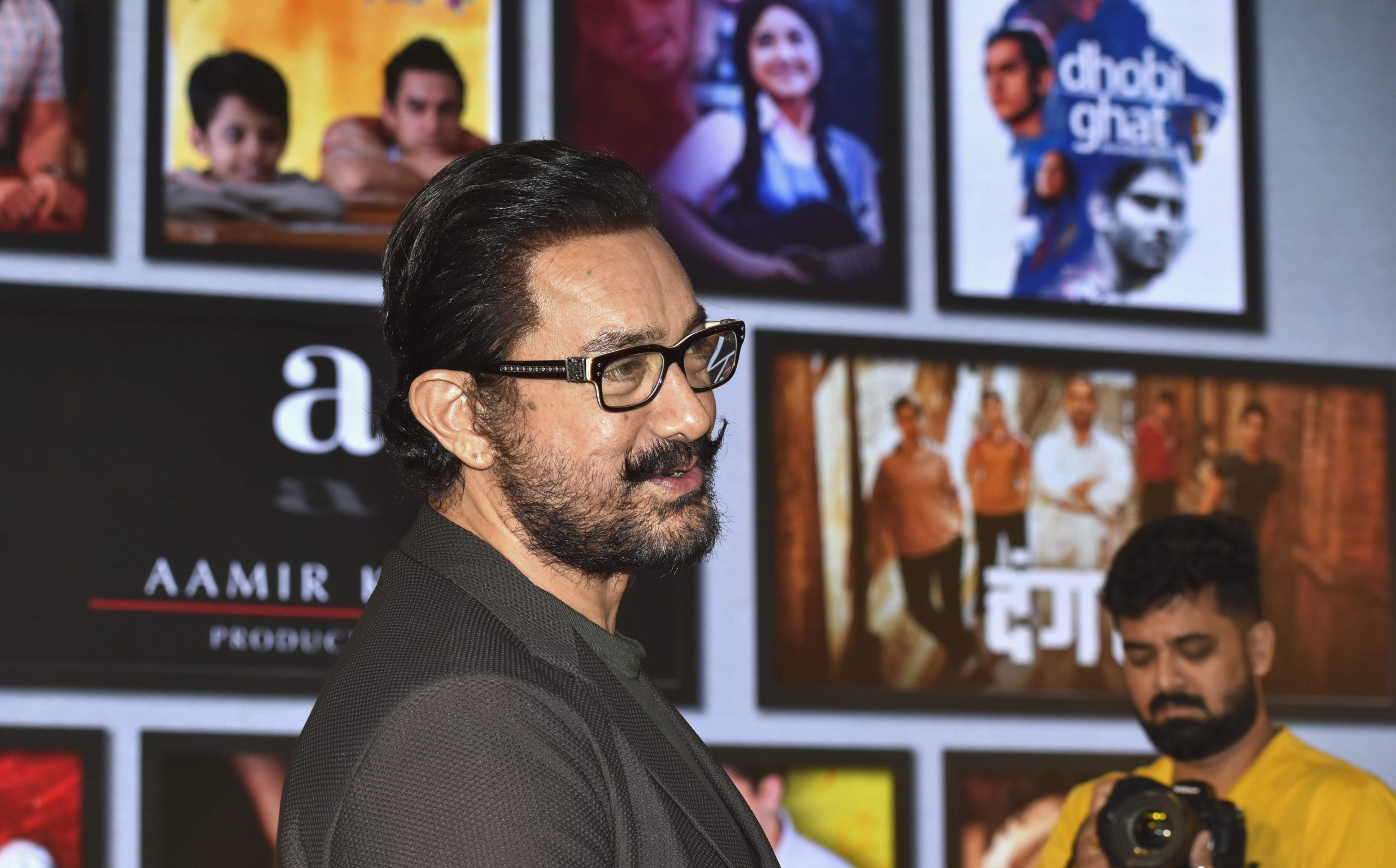
Bollywood icon Aamir Khan has echoed Leonardo DiCaprio’s recent concerns about the shrinking space for cinema in theatres, arguing that the current push-and-pull between theatrical releases and streaming is hurting the ecosystem rather than creating a workable balance.
In an interview with Variety India, Aamir called the present situation “not a graceful compromise,” adding that it doesn’t look “graceful… from any angle.”
What DiCaprio Said About Theatres
DiCaprio has spoken repeatedly in recent weeks about how fast viewing habits and release strategies are changing. In a widely cited interview, he warned that the industry is shifting “at a lightning speed,” noting that documentaries have largely vanished from cinemas and dramas often get only a limited run, with audiences waiting for streaming.
He also stressed the value of the communal big-screen experience during the Palm Springs Film Festival, saying movies are meant to be experienced together in a theatre, and urging the industry to protect “cinema” over “content.”
Aamir Khan: Protect the Window, But Keep It Flexible
Aamir agreed with the core point: the theatrical window needs protection “to some extent” if the big-screen business is to remain healthy.
However, he did not prescribe a single fixed rule for every film. Instead, he advocated a flexible model:
- Mainstream, high-stakes films should get a longer exclusive theatrical run
- Smaller or experimental films can follow shorter windows, depending on scale and audience
He also noted that this is not just a Hindi-film problem—producers across industries, including the South, are grappling with the same challenge.
Why This Debate Is Heating Up Again
Post-pandemic audience behaviour and platform economics have made the release model more contested than ever. The central fear—voiced by both DiCaprio and Aamir in different ways—is that if films move too quickly to home viewing, it weakens the reason to show up for the theatrical experience, and makes it harder to sustain the culture (and business) of moviegoing.
For now, Aamir’s position is clear: streaming is important, but theatrical must remain protected enough to stay viable, with release strategies tailored to the kind of film being released.
—By Manoj H