


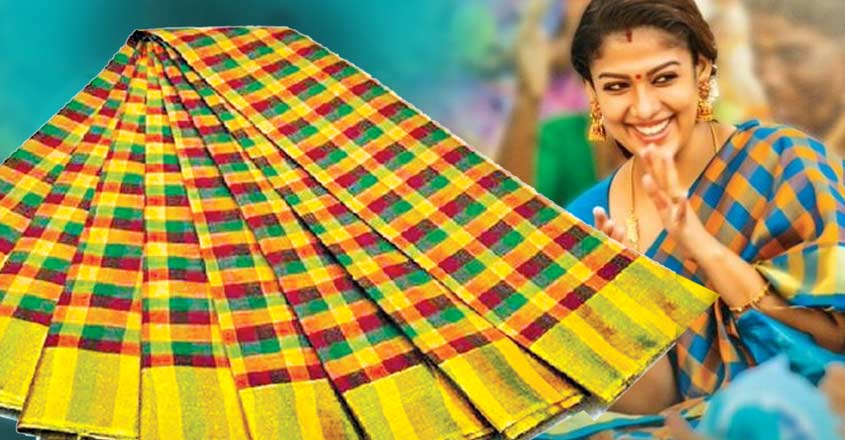
The Kandangi saree, native to the Chettinad region of Tamil Nadu, is once again drawing attention in conversations around India’s handloom heritage. Closely associated with Karaikudi and the wider Chettinad belt, this traditional weave has existed for more than 150 years and remains a strong marker of regional identity and craftsmanship. Historically linked to the Nagarathar, or Nattukottai Chettiar, community, Kandangi continues to stand out as one of Tamil Nadu’s most distinctive textile traditions.
Distinctive design and visual identity
What sets the Kandangi saree apart is its bold visual language. It is known for its striking checks or stripes, large contrasting borders, and earthy, vivid colours. Traditional shades have included mustard, red, orange, brown, and black, often achieved through natural or vegetable-based dyes. The saree’s design vocabulary is deeply rooted in the landscape and cultural character of Chettinad, giving it a rustic yet unmistakably vibrant appeal. Some classic Kandangi sarees are also known for borders so broad that they cover a substantial portion of the drape.
Craftsmanship and weave
Kandangi is fundamentally a handloom tradition. The official GI description identifies it as a thick, coarse cotton saree that is durable and suited to regular use. The weaving process involves dyeing the yarn, drying it, arranging the warp and weft, and then weaving the saree by hand on traditional looms. Its sturdiness has long been one of its defining features, making it both practical and long-lasting.
Cultural context
The saree also carries a strong social and cultural history. Historical accounts describe older Kandangi drapes as being worn differently from the modern sari, sometimes without a blouse or underskirt, with the cloth designed to wrap the body more fully. Some sources also note that earlier versions were narrower than current-day drapes, which helped highlight traditional jewellery such as anklets. These details reflect how the weave evolved in response to local lifestyles, dress practices, and climate.
Kandangi also speaks to an older culture of utility and reuse. Accounts from Chettinad’s textile history note that these durable sarees were often repurposed after extended use, including for household purposes such as baby cradles, underscoring a long-standing zero-waste ethic embedded in the region’s material culture.
Revival and relevance today
In recent years, Kandangi has found renewed visibility through handloom revival efforts, designer interest, and social media-led appreciation of regional textiles. Its GI status has also strengthened its identity as a recognised product of Tamil Nadu, although public records differ on the exact registration date. What is clear is that Kandangi now occupies an important place in discussions around authenticity, artisan livelihoods, and sustainable fashion.
The road ahead
As India’s handloom sector looks for ways to preserve heritage while staying commercially relevant, Kandangi remains a compelling example of survival through adaptation. From the looms of Chettinad to curated urban wardrobes, it brings together history, utility, and visual strength in a way few weaves can. More than a saree, Kandangi is a living textile tradition that continues to carry Tamil Nadu’s cultural memory forward.
By – Sonali