


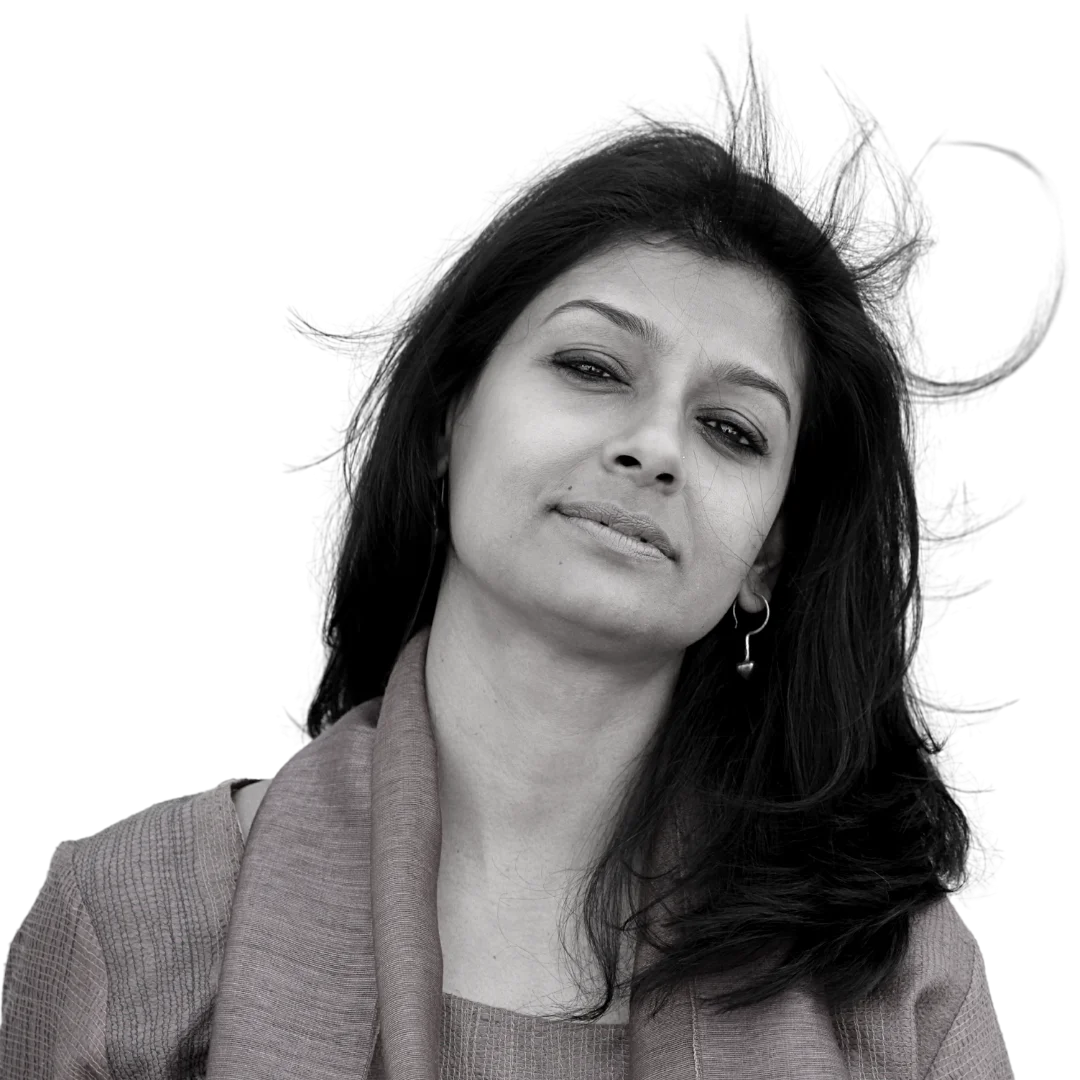
Nandita Das, a celebrated Indian actress, director, and social advocate , sparked discussions at The Hindu Huddle 2025 by proposing a potential series or film titled Adolescence in India. On May 9, 2025 , during a panel in Bengaluru , she questioned whether such a project, exploring the complexities of Indian youth, would find an audience, given the constraints of censorship and market-driven cinema. Her vision, rooted in socially relevant storytelling, aligns with her career of tackling bold themes, as seen in films like Fire and Manto.
In This Article:
Nandita Das’s Cinematic Legacy
Das has acted in over 40 films across 10 languages, earning acclaim for roles in Fire (1996), which tackled same-sex relationships, and Earth (1998), addressing partition’s human toll. Her directorial debut, Firaaq (2008), explored the aftermath of the 2002 Gujarat riots, winning over 20 awards. Her second film, Manto (2018), portrayed the life of writer Saadat Hasan Manto, premiering at Cannes. In 2023, Zwigato, a poignant look at a food delivery rider’s struggles, further showcased her commitment to humanizing narratives. Das’s work, often produced under her Nandita Das Initiatives (NDI), reflects her Master’s in Social Work from Delhi University, blending art with advocacy for issues like women’s rights and colorism.
The Adolescence in India Concept
At The Hindu Huddle, Das highlighted the untapped potential of stories about Indian adolescence, a phase marked by cultural, social, and economic diversity. She questioned if a series capturing these nuances would resonate, given India’s censorship challenges—official, self-imposed, and cultural. X posts from May 2025 echo her concern, noting the lack of diverse narratives in mainstream cinema. Das’s vision aligns with her past projects, like the 2019 music video India’s Got Colour, which challenged colorism, and the 2020 short Listen to Her, addressing domestic violence during the pandemic. An adolescence-focused project could explore identity, peer pressure, or systemic inequalities, amplifying marginalized voices.
Challenges in Execution
Das noted that OTT platforms, initially a haven for independent films, now mirror theatrical market pressures, reducing space for unconventional stories. She cited the absence of bodies like the National Film Development Corporation to support such cinema. Her collaborator, Jeo Baby, shared how his film The Great Indian Kitchen faced OTT rejections before finding success, underscoring the industry’s risk-averse nature. For Adolescence in India, Das would need to navigate these barriers while ensuring authentic representation, possibly through NDI’s creative platform.
A Call for Inclusive Storytelling
Das’s proposal is a call to redefine Indian cinema with empathetic, inclusive narratives. Her advocacy for free speech and human rights, evident in her support for the MeToo movement and JNU protests, fuels her vision. An adolescence-focused project could inspire dialogue, much like her play Between the Lines (2012) did on gender dynamics. As X users rally behind her idea, Adolescence in India could become a landmark, urging filmmakers to prioritize art over economics.
-By Manoj H