


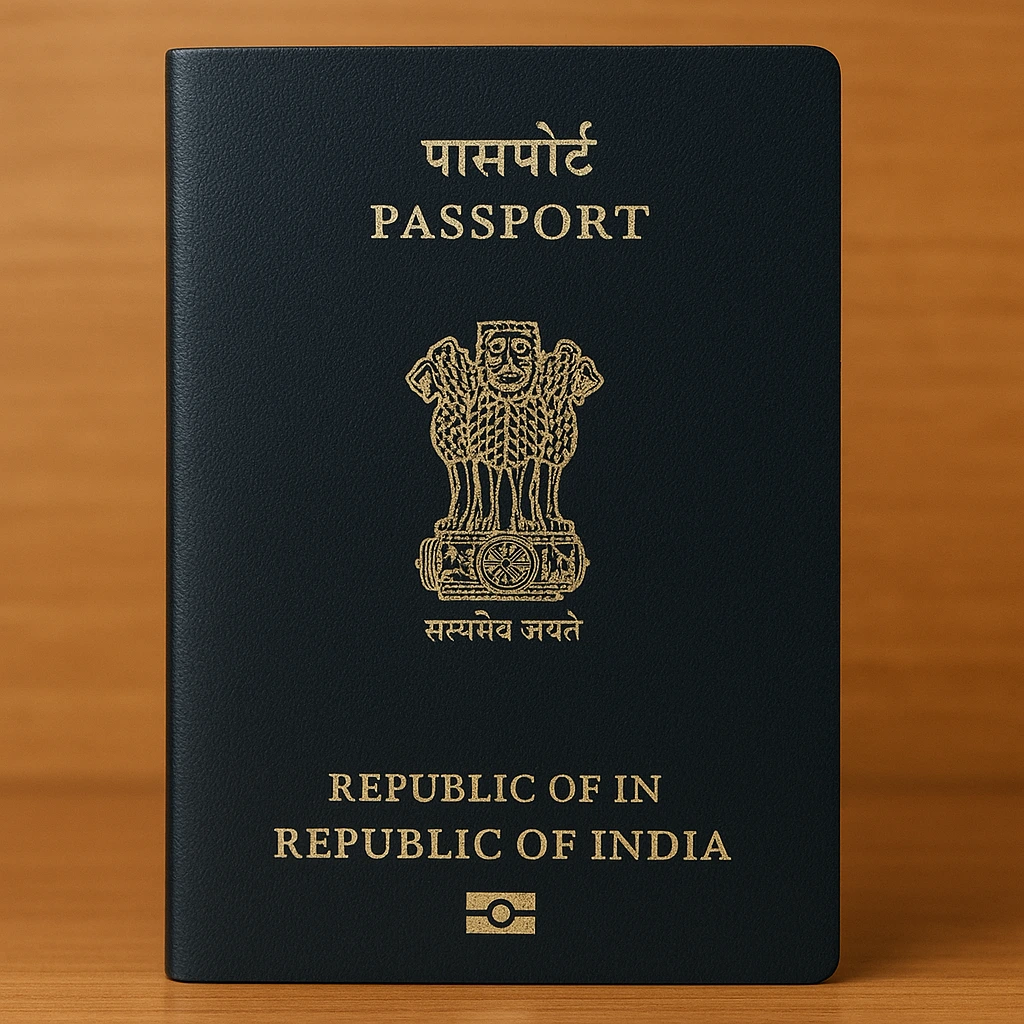
India has officially embraced a new technological milestone in global travel by rolling out chip-enabled e-passports, setting the stage for faster, safer, and smarter international travel. The launch of these biometrically secured digital passports marks a significant upgrade from traditional passport formats, aligning India with global standards and ensuring smoother immigration processes for millions of Indian travelers.
In This Article:
According to the Ministry of External Affairs (MEA), this move will enhance security, reduce fraud, and enable seamless verification across international borders.
What Is an E-Passport?
A Glimpse into the Technology
The Indian e-passport is a biometric document embedded with a secure microchip that stores:
- Holder’s personal information
- Digital photograph
- Fingerprints
This contactless chip is compliant with International Civil Aviation Organization (ICAO) standards and will be readable by special passport scanners installed at immigration checkpoints.
Key Features of the E-Passport
Salient Features at a Glance
- Embedded RFID chip with tamper-proof encryption
- Machine-readable zone (MRZ) and contactless communication
- Enhanced protection against passport cloning or forgery
- Quicker processing at e-gates and immigration counters
- Secure authentication using biometric and demographic data
Rollout and Implementation Timeline
Phased Launch Across India
As of May 2025, e-passports have already been rolled out in key Indian cities, including:
- Chennai
- Nagpur
- Goa
- Delhi
The implementation began with diplomatic and official passport holders, with the service now extending to general applicants via selected Passport Seva Kendras (PSKs).
Benefits of the E-Passport
Why It Matters for Indian Citizens
The transition to e-passports brings a host of security and travel benefits:
- Reduced wait times at international airports
- Minimized document fraud and impersonation
- Automated processing at select border controls
- Global acceptance, boosting India’s travel credibility
- Greater convenience for frequent flyers and business travelers
How to Apply for an E-Passport
Step-by-Step Guide for Citizens
Indian citizens can apply for an e-passport through the existing Passport Seva Portal. Here’s how:
- Visit the official portal: www.passportindia.gov.in
- Register/Login and fill out the e-passport application form
- Pay the fee online and schedule an appointment at your nearest PSK
- Attend biometrics capture and document verification
- Track status of passport delivery
Security Enhancements and Global Standards
Fortified Against Tampering
The e-passport embedded chip is programmed to be tamper-evident and will become unreadable if altered. The digital credentials stored inside meet ICAO’s Public Key Infrastructure (PKI), ensuring:
- Data integrity
- Authentication of issuing authority
- Global interoperability with other e-passport systems
Challenges and Future Outlook
Implementation Hurdles
Though promising, the e-passport initiative faces some initial challenges:
- Limited e-gate infrastructure at Indian airports
- Public awareness and digital literacy gaps
- Training needs for immigration staff
However, the government has assured a nationwide infrastructure upgrade, including installation of advanced passport readers at all major entry-exit points.
Global Context – India Joins the Elite League
With this rollout, India joins a list of over 100 countries that have adopted e-passports, including:
- United States
- United Kingdom
- Germany
- Singapore
- Australia
This development not only aligns India with global travel norms but also strengthens its international security reputation and technological competence.
Moving Ahead – A Future-Ready India Takes Flight
The launch of India’s e-passport program signals a new era of smart travel and digital identity management. It reflects the country’s vision to adopt modern governance tools, prioritizing citizen convenience and global integration.
With upgraded security, faster clearances, and an easy application process, e-passports are set to transform the Indian travel landscape—making the world not only more accessible, but also safer for Indian citizens.
Stay updated and apply early to be part of this revolutionary shift.
By – Nikita