


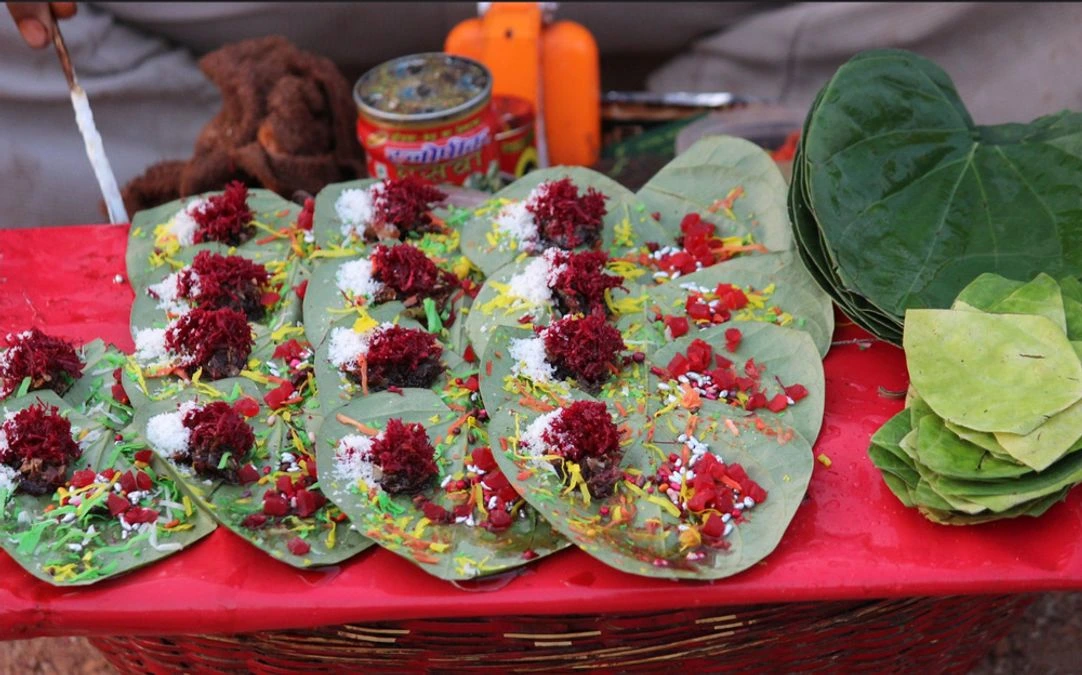
Among the many cultural treasures of Bihar, the Magahi paan holds a distinguished place. Known for its distinct aroma, softness, and deep cultural significance, this betel leaf variety has been a symbol of hospitality, celebration, and tradition for centuries. From royal courts to rural festivities, the Magahi paan is more than just a mouth freshener—it’s a legacy wrapped in green leaves.
In This Article:
A Heritage Rooted in History
The origin of Magahi paan can be traced back to the ancient Magadh region of Bihar, which today includes parts of Patna, Gaya, Nalanda, and Jehanabad districts. The name ‘Magahi’ itself stems from this historical territory. According to folklore and local records, paan has been a part of Bihari rituals since the Mauryan and Gupta periods. It was considered auspicious and even offered to deities and guests during ceremonies.
In fact, Mughal emperors and later, British officials, are known to have been fond of this delicate leaf, often reserving it for after-meal indulgence. Over time, the Magahi paan became associated with not just taste, but prestige.
What Makes Magahi Paan Unique?
Unlike the more commonly available varieties, Magahi paan is prized for its tenderness, natural sweetness, and minimal fiber content. It’s grown in the fertile soil of Bihar using traditional farming techniques that involve shade netting, careful plucking, and organic methods to preserve its authentic quality. The climate of the region—humid but not too hot—adds to the plant’s growth and quality.
Key features include:
- Aromatic flavor without any bitterness
- Delicate texture that melts in the mouth
- High market value due to limited cultivation zones
Magahi paan is typically consumed fresh and often prepared with slaked lime, areca nut (supari), cardamom, and clove. It is also a key component in “meetha paan,” a popular post-meal treat across North India.
Economic Impact and Farming Practices
Magahi paan cultivation supports hundreds of farming families across Bihar. The leaf requires meticulous care—grown in covered beds called baraajas, protected from direct sunlight and rain. Farmers manually harvest the leaves and bundle them for local markets and inter-state trade.
However, the production is limited to a few pockets, which makes it a premium agricultural product. The high demand and artisanal farming have contributed significantly to rural employment and livelihood. In regions like Nawada and Aurangabad, entire villages rely on paan farming as their main source of income.
Efforts are currently underway to grant Geographical Indication (GI) status to Magahi paan, which would provide formal recognition and protection, while boosting its global reach.
Role in Culture and Tradition
In Bihari weddings and festivals, the presence of paan is considered a sign of good luck. No celebration is complete without its inclusion. During weddings, paan is exchanged between families as a mark of acceptance and goodwill. It is also offered to guests as a sign of respect and hospitality.
Magahi paan plays a central role during Chhath Puja, one of Bihar’s most revered festivals. Devotees offer paan to the Sun God and distribute it as prasad.
Challenges and the Road Ahead
Despite its fame, Magahi paan faces threats from modernization, environmental changes, and competition from chemically treated paan varieties. Younger generations are moving away from traditional farming, and land encroachments are further shrinking cultivation areas.
To preserve this heritage, both government bodies and local organizations are promoting awareness, sustainable practices, and digital marketplaces. The GI tag, once granted, could help regulate quality, prevent adulteration, and increase export potential.
Additionally, culinary tourism in Bihar is beginning to spotlight Magahi paan as a cultural attraction, with food tours including it as a must-try item. Chefs and food influencers are reimagining it in fusion recipes—from paan-flavored desserts to cocktails.
The Magahi paan of Bihar is not just a crop—it is a cultural icon, an economic pillar, and a symbol of identity for the region. As demand grows for organic and culturally rooted products, this green leaf stands poised to conquer both traditional hearts and modern palates. Preserving and promoting Magahi paan is not just about maintaining a product, but about honoring the rich legacy of Bihar’s soil and soul.
By – Jyothi