


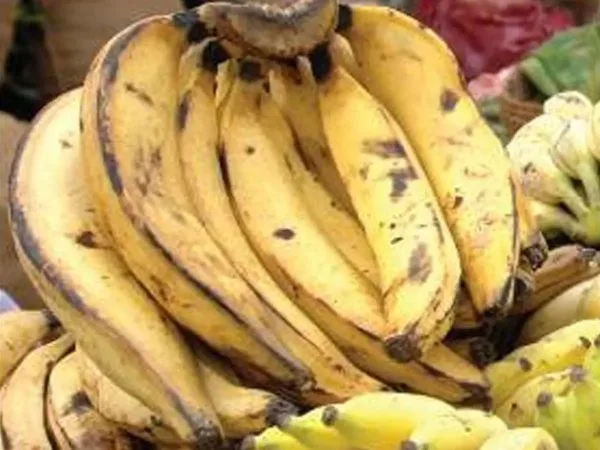
The Myndoli banana, also known as the Moira banana or Myndoli kellim in Konkani, is a unique and cherished fruit variety native to Goa, India. Renowned for its distinctive size, taste, and cultural significance, this banana has earned a special place in Goan agriculture and cuisine. Its recognition with a Geographical Indication (GI) tag underscores its importance and uniqueness.
In This Article:
Origin and Historical Significance
The Myndoli banana traces its roots to the village of Moira in Bardez taluka, North Goa. It is believed that Franciscan priests introduced this banana variety to Moira in the 15th century. Over time, its cultivation expanded to other parts of North Goa, including Pernem and Bicholim talukas . The name “Myndoli” is derived from various local terms such as Maidya, Moidya, Mainoli, Mandoli, and Moidechim kelim, reflecting its deep-rooted presence in Goan culture.
Distinctive Characteristics
Physical Attributes
The Myndoli banana stands out due to its impressive size and shape. Each fruit is long and tusk-shaped, measuring up to 45 cm in length and weighing approximately 200 grams. A single bunch can contain 85 to 98 bananas, collectively weighing around 50 kilograms . The bananas have a deep yellow to golden hue when ripe, with firm and meaty flesh.
Taste and Nutritional Value
Known for its exceptional sweetness, the Myndoli banana boasts a Total Soluble Solids (TSS) content of 30.85%, the highest among Goan banana varieties . It has fewer seeds, a medium-thick skin, and a longer shelf life of up to 10 to 12 days. Nutritionally, it is rich in energy, vitamins, and minerals, making it a wholesome dietary choice.
Cultivation Practices
Geographical and Climatic Conditions
The cultivation of Myndoli bananas thrives in the lateritic soils along the tributaries of the Chapora and Mapusa rivers in North Goa. These soils are rich in organic matter and essential minerals like iron, manganese, and copper, with a pH ranging from 5.5 to 6.5 . The region’s warm and humid climate, coupled with an average annual rainfall of 3000 mm, provides ideal conditions for banana cultivation.
Farming Techniques
Myndoli bananas are primarily grown as a single crop by skilled farmers who employ traditional knowledge passed down through generations. The plants are tall, belonging to the AAB genome group, and are propagated using sword suckers or tissue culture methods. Farmers often use organic fertilizers and implement practices like high-density planting to enhance yield .
Cultural and Culinary Significance
In Goan culture, the Myndoli banana holds a special place, especially during festivals like Ganesh Chaturthi, Diwali, and Christmas. It is considered an auspicious gift and is often used in traditional dishes. One popular delicacy is “Myndolya Kelyacho Halvo,” a dessert made by frying ripe banana slices in ghee and cooking them in sugar syrup . The banana is also used in milkshakes, ice creams, and other sweet preparations due to its rich flavor and texture.
Economic Impact and Market Demand
The Myndoli banana commands a higher market price compared to other varieties, ranging from Rs. 150 to Rs. 350 per dozen, depending on size and quality . Its demand surges during festive seasons, making it a lucrative crop for farmers in regions like Pernem, Bicholim, and Bardez. However, challenges such as the involvement of middlemen can affect farmers’ profits. Direct marketing and government subsidies aim to address these issues and support cultivators.
Geographical Indication (GI) Tag
Recognizing its unique qualities and cultural importance, the Myndoli banana was granted the Geographical Indication (GI) tag on September 14, 2021, valid until December 12, 2029 . This designation, applied for by the Myndoli Banana Growers Association from Ibrampur, Pernem, ensures legal protection against unauthorized use and helps preserve the banana’s heritage.
Challenges in Cultivation
Despite its popularity, the cultivation of Myndoli bananas faces challenges, notably the infestation of root-burrowing nematodes like the Pratilynchus species. These pests damage the roots, causing plants to topple under the weight of their fruit. To combat this, farmers are adopting biological control methods, such as using bio-nematicides like Paecilomyces lilacinus, mixed with vermicompost, to manage soil health and pest populations .
The Myndoli banana is more than just a fruit; it is a symbol of Goa’s rich agricultural heritage and cultural identity. Its unique characteristics, coupled with its economic and culinary significance, make it a treasured crop in the region. Efforts to preserve and promote its cultivation, including the GI tag recognition and sustainable farming practices, are vital to ensuring that this golden gift of nature continues to thrive for generations to come.
By – Sonali
Also Read – Khola Chilli of Goa: A Fiery Jewel Gets the Recognition it Deserves