


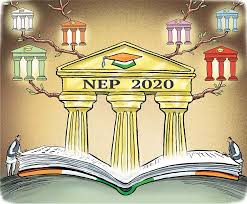
The debate over language harmony versus language power intensifies in India as of May 21, 2025, with ongoing discussions in New Delhi and regional states about linguistic policies. Fueled by the National Education Policy (NEP) 2020’s push for mother-tongue education and Hindi’s growing influence, this tension pits inclusive multilingualism against the dominance of certain languages, shaping education, politics, and culture nationwide.
In This Article:
The Case for Language Harmony
Language harmony advocates for embracing India’s 1,600+ languages, including 22 constitutionally recognized ones, to foster unity. The NEP 2020 emphasizes early education in mother tongues like Tamil, Telugu, or Assamese, enhancing cognitive growth and cultural pride. States like Karnataka and West Bengal have prioritized regional languages in schools, with Karnataka mandating Kannada as a compulsory subject. Multilingual policies in cities like Bengaluru, where 44% speak non-Kannada languages, promote inclusivity. X posts praise this approach, with users noting, “Teaching in mother tongues bridges gaps, not divides.” Harmony also boosts economic mobility, as seen in Tamil Nadu’s tech hubs, where Tamil and English coexist.
The Push for Language Power
Conversely, language power emphasizes the dominance of Hindi or English to unify India’s diverse populace.The Centre’s promotion of Hindi as a “link language” sparks resistance in non-Hindi states, with Tamil Nadu’s 2025 anti-Hindi protests highlighting fears of cultural imposition. English, often seen as a neutral global language, overshadows regional languages in urban job markets, creating a power imbalance. Critics argue this marginalizes non-Hindi, non-English speakers, with X users lamenting, “Hindi imposition erases our identity.”
Striking a Balance
The challenge lies in balancing harmony and power. The NEP’s three-language formula aims for regional language, Hindi, and English, but implementation varies. Southern states resist Hindi, while Hindi-speaking regions demand its prominence. Experts suggest tech solutions like AI translation to bridge gaps, citing Google’s multilingual tools as a model. India’s 1.4 billion people speak countless dialects, yet only 12% know Hindi fluently, per 2021 data. Collaborative policies, like dual-language signage in public spaces, could foster unity without dominance.
The Road Ahead
India’s linguistic future hinges on inclusive policies. Harmony celebrates diversity, while power seeks efficiency. With 2025 elections looming, political rhetoric around language could escalate tensions. A balanced approach, blending local pride with national connectivity, is key to India’s linguistic tapestry.
-By Manoj H