


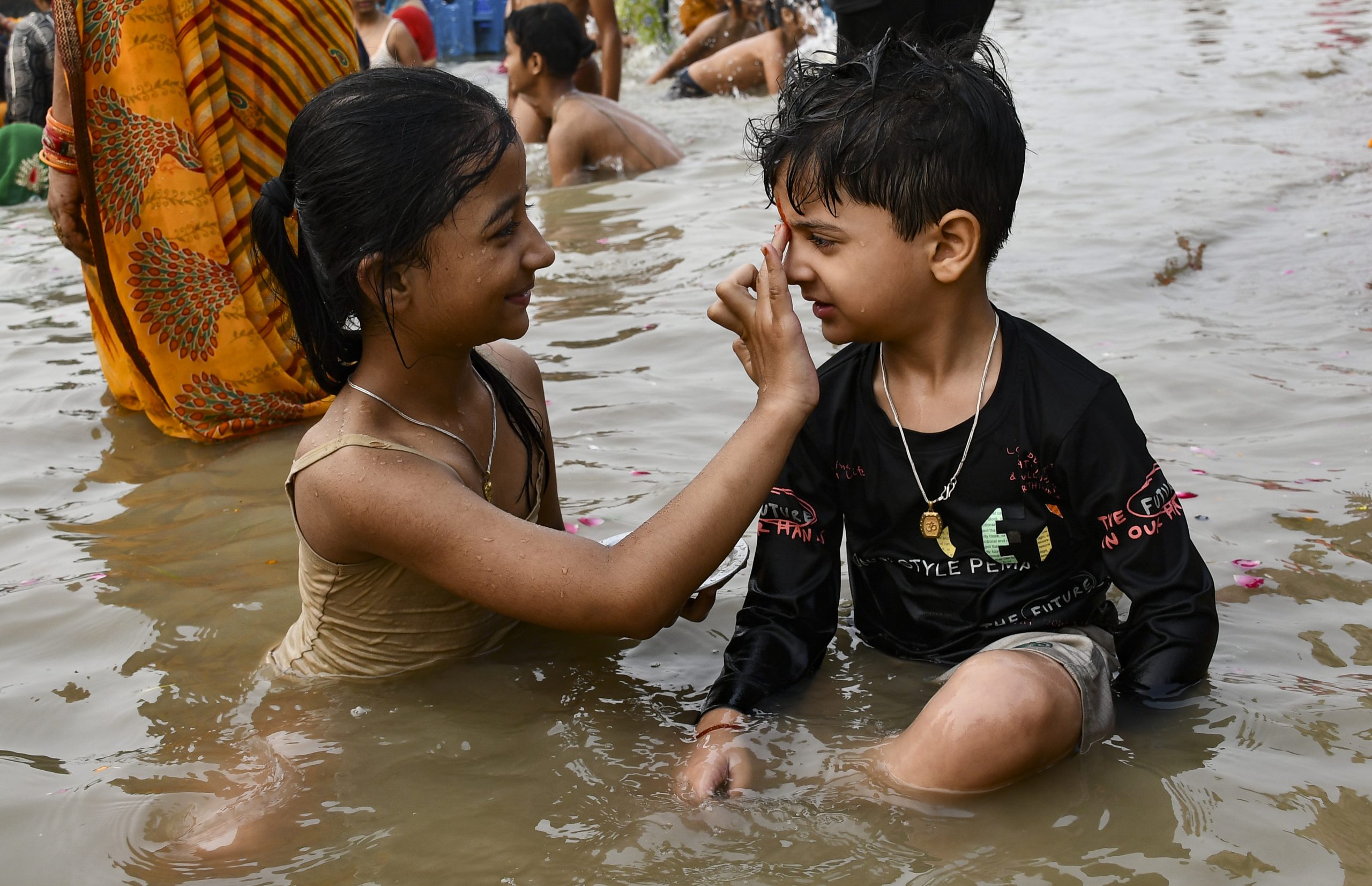
As the last diyas of Diwali flicker out and the aroma of festive sweets lingers in the air, India prepares to embrace yet another celebration of love, Bhai Dooj. Falling today, on October 23, 2025, this cherished festival marks the grand finale of the five-day Diwali festivities, honoring the sacred and timeless bond between brothers and sisters.
Unlike the grandeur of larger festivals, Bhai Dooj is inherently intimate and relational, grounded not in extravagance but in emotion. It is a day when sisters pray for their brothers’ longevity and prosperity, while brothers renew their promise of lifelong protection and care, a bond woven not merely by ritual, but by affection and faith.
The Sacred Ritual: Tilak, Aarti, and Blessings
The heart of Bhai Dooj lies in its beautiful simplicity. The day begins with sisters preparing a special puja thali containing roli (vermilion), rice grains, sweets, a lit diya, and flowers. As brothers sit facing their sisters, the tilak ceremony unfolds, a sacred mark applied on the forehead, symbolizing protection and well-being. This crimson tilak, often accompanied by prayers and the gentle rotation of an aarti lamp, is believed to ward off evil spirits and invoke divine blessings for the brother’s health and success.
The auspicious muhurat for performing the tilak ceremony in 2025 falls between 1:13 PM and 3:28 PM IST, during the Aparahna period considered most favorable for this ritual. In return, brothers shower their sisters with heartfelt gifts and promises of support, reinforcing the emotional fabric that binds siblings together.
Mythology and Meaning: Stories That Endure
The origins of Bhai Dooj are steeped in Hindu mythology, with the most popular legend revolving around Yama, the god of death, and his sister Yamuna. According to ancient scriptures, Yamuna invited her brother to her home on this auspicious day after a long separation. She welcomed him with warmth, applied a tilak on his forehead, performed aarti, and served him a special meal. Deeply moved by her devotion, Yama granted a blessing: any brother who receives tilak from his sister and shares a meal with her on this day would be blessed with health, prosperity, and a long life. This touching tale is why Bhai Dooj is also known as Yama Dwitiya.
Another beloved story tells of Lord Krishna visiting his sister Subhadra after defeating the demon Narakasura. She welcomed him with flowers, sweets, and ceremonial tilak, symbolizing the love between siblings. This legend further enriched the festival’s spiritual significance, making it a celebration cherished across generations.
A Festival of Many Names: Regional Celebrations
India’s cultural diversity shines brilliantly through Bhai Dooj, celebrated under different names across regions while maintaining its core essence. In Maharashtra and Goa, it is known as Bhau Beej, where sisters draw squares made with rice on the floor for brothers to sit during the tilak ceremony. The day is marked by elaborate feasts featuring traditional delicacies like basundi poori and kheerni poori.
In West Bengal, the festival takes the form of Bhai Phonta, where sisters observe fasts until they perform the ceremony using sandalwood paste, kajal, and ghee. In the southern states of Andhra Pradesh and Telangana, it is celebrated as Yama Dwitiya or Bhatru Dviteeya, focusing more on intimate family bonding and prayers. In Nepal, the festival is called Bhai Tika or Bhai Teeka, featuring a vibrant seven-colored tilak known as Saptarangi Tika.
Even Bihar has its unique tradition where sisters begin the ceremony by jokingly cursing their brothers, then pricking their tongues with thorns as symbolic penance before offering prayers for their wellness.
Sweets, Savories, and Shared Meals
No Indian festival is complete without culinary delights, and Bhai Dooj is no exception. Traditional sweets like kaju katli, coconut laddoo, besan barfi, and kheer are lovingly prepared by sisters. Modern variations such as chocolate barfi, rose-infused peda, and gajar halwa truffles add contemporary flair to the festive spread.
Savory snacks, including mathri, chakli, namak para, samosa chaat, and dhokla keep the festive chatter flowing. These dishes, exchanged with love and often gentle teasing, become more than just food, they transform into memories shared between siblings, symbolizing comfort and home.
Modern Celebrations: Bridging Distance with Love
In today’s fast-paced, globalized world, Bhai Dooj has evolved to embrace technology while preserving tradition. Virtual ceremonies conducted via video calls allow siblings separated by geography to participate in age-old rituals. Online gift delivery services ensure that personalized presents from handcrafted jewelry to custom photo frames reach loved ones despite physical distances.
Experience-based gifting has also gained momentum, with siblings booking spa days, brunch outings, or travel getaways instead of material presents. Personalized pooja thalis, DIY tilak kits, and handwritten letters add creative touches to the celebrations.
Beyond Ritual: A Cultural Pause in Modern Life
In an era where family time is often sacrificed for professional commitments and relationships fade under daily pressures, Bhai Dooj stands as a powerful reminder of unconditional love and lifelong care. At a time when mental health and emotional support are openly discussed, the festival takes on new relevance, offering protection not just in the mythological sense, but in being there for each other in health, hardship, and everyday life.
The festival reinforces traditional values like family unity, sibling respect, and mutual care. It reminds us that love and prayers from a sister can offer divine protection to her brother, while a brother’s promise of support provides strength to his sister. This sacred thread of affection, tied not by ritual alone but by genuine emotion, remains unbroken regardless of distance or difference.
Threads of Love That Never Fade
As the tilak dries and the sweets are savored, Bhai Dooj leaves behind more than memories, it strengthens the emotional fabric that holds families together. Whether celebrated with grand feasts or simple prayers, with traditional rituals or modern innovations, the festival’s essence remains pure: honoring the eternal bond between brothers and sisters.
In a world constantly changing, Bhai Dooj stands as a beautiful constant, a day when siblings take time to rekindle childhood memories, share laughter, and renew their promise to stand by each other, today and always. As the festival lights fade once more, the love they celebrate continues to shine brightly, illuminating the path forward with trust, protection, and unwavering affection.
By – Sonali