


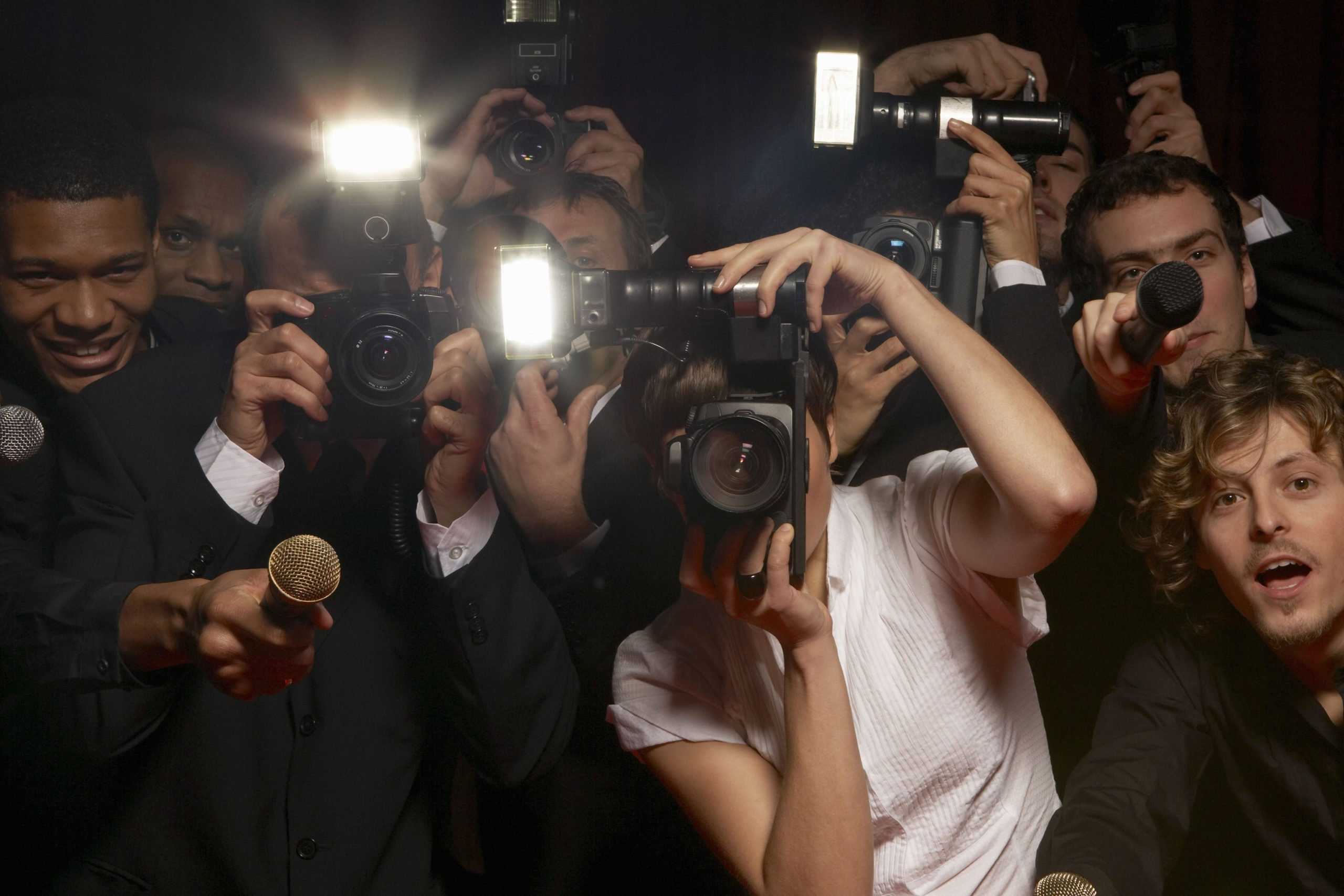
In an era where fame can be sparked by a single swipe, like, the very nature of celebrity is shifting, becoming more democratic, yes, but also more transient, saturated, and ambiguous. Is this new openness enriching cultural expression or diluting the essence of true artistry?
The Democratization of Fame
Once, fame was conferred through elite media channels: magazines, talent scouts, and PR machines. Today, platforms like TikTok, Instagram, YouTube, and Twitter have dismantled those gates, enabling anyone with a smartphone to go viral. Ordinary individuals can bake a cake, perform a dance, or deliver a tweet and suddenly feel the world’s attention.
This shift is heralded by some as a liberation. Cultural commentator Gilbert Seldes championed a “democratic aesthetic,” arguing that excellence exists across all social strata not just high art and that the divide between “high” and “low” is often rooted in class assumptions. Entire subcultures like vaporwave and glitch art have blossomed online, transforming niche aesthetics into full-fledged movements.
Strength in Numbers or Dilution by Volume?
The democratization of fame has undeniably broadened the creative ecosystem. Gen Z’s media culture is shaping a future where “mini-movements” of creators thrive on intimate connection, not global mass appeal. Platforms like Patreon and NFTs even empower artists to sustain careers through niche audiences, effectively rewriting the rules of how celebrity is built.
Yet this abundance comes with trade-offs. Algorithms often prioritize popularity over quality, enabling mediocre content to go viral while overshadowing works of genuine artistic depth. Multiply this by the frenetic pace of social media, where trends rise and fall in days and creative expression risks becoming superficial, reactive, and fleeting.
Artistry vs. Virality
Amid the glitz of viral fame, some artists still strive to prioritize substance over spectacle. Kesha’s High Road and Lil Wayne’s Funeral are notable examples, albums that resist the urge to chase meme-friendly moments and instead lean into resilience and versatility.
But there’s also discomfort with the flip side: “trollgaze” tracks, designed for maximum shareability rather than lasting value. These pieces echo the worry that art crafted for attention may erode meaning over time.
Moreover, social media’s pressure for “Instagrammable” content can sideline authenticity. Artists might feel compelled to conform to prevailing trends in order to gain visibility, potentially sidelining uniqueness and depth.
Participatory Culture: Collapsing Creator and Consumer
One optimistic byproduct of this media landscape is the rise of participatory culture, where consumers are also creators, collaborating, remixing, and reshaping content in dynamic ways. TikTok duets, for instance, resurrect the surrealist tradition of “exquisite corpse,” enabling communal creativity that defies individual ownership.
This convergence blurs the lines between artist and audience, making media consumption a collective act rather than a passive one. It’s an exciting shift, but one that raises complexities around authorship, credit, and the valuation of creative work.
The Cultural Cost of Pseudo-Events
But there’s a darker edge to virality. When provocation or sensationalism outpaces substance, media attention can drift toward manufactured spectacle rather than meaningful content. The proliferation of pseudo-events, amplified by social media, can distort public discourse and promote fame for fame’s sake.
This phenomenon echoes the broader anxiety that in chasing virality, artistry may be replaced by attention-seeking, a cultural inflation of fame where significance is measured in metrics, not merit.
Final Frame: “Fame, Once Democratic, Now a Mirror”
As fame becomes more democratic, it grants space for unheard voices and unconventional talents. But democracy, like any system, must be moderated, or else it can fall prey to mediocrity. The challenge for today’s creators and audiences is to distinguish between fleeting attention and enduring impact. In this shifting landscape, can we still recognize true artistry, or have we traded depth for lights that burn too bright, too fast?
By – Sonali