


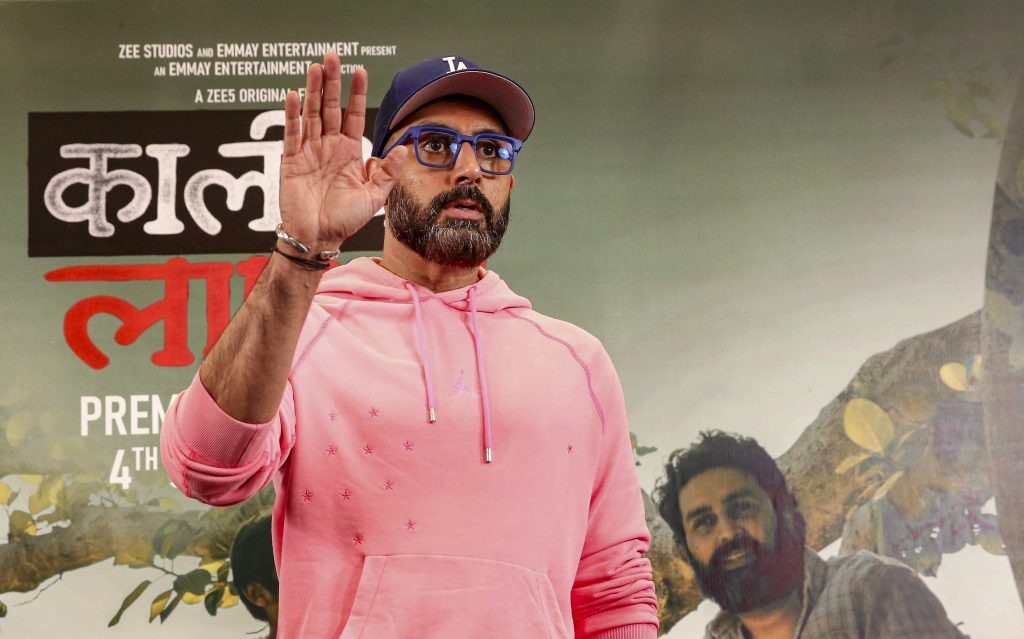
In a candid new interview, Bollywood actor Abhishek Bachchan spoke openly about the early years of his career and the comparisons he faced with Hrithik Roshan when both their debut films released back in 2000. The actor stressed how unfair it is to measure artists by the same yardstick, offering a thoughtful perspective on creativity, competition, and camaraderie in the film industry.
In This Article:
Simultaneous Debuts: A Natural Comparison
The year 2000 saw two star kids from prominent Bollywood families—Abhishek Bachchan and Hrithik Roshan—make their debuts. Abhishek appeared in J. P. Dutta’s Refugee, opposite Kareena Kapoor, while Hrithik’s film Kaho Naa… Pyaar Hai became a blockbuster overnight. The coincidence led to widespread media and public debate comparing the two actors. However, Bachchan reveals he never felt insecure or threatened by the comparison.
“I never looked upon anybody as my competition,” said Abhishek. He added that comparisons in artistry are misguided because each person is unique: “This is me physically. You can’t compare artists; it goes against artistry. Who you prefer is different. That’s your choice.”
Artistic Subjectivity: Lessons from Painting
Bachchan brought in an interesting parallel from the world of visual arts to emphasize his point. He cited two respected Indian painters—Subhash Awchat and Paresh Maity—as personal favorites.
“Who’s the better painter? You can’t say it. It’s subjective… You can choose who appeals better to you but you can’t say this guy is better than the other.”
This analogy articulates the crux of his argument—when creativity is subjective, declaring one artist superior is fundamentally flawed. He believes acting, like painting, is shaped by individual sensibilities, and the audience’s preference should not translate into declaring winners or losers.
No Space for ‘Better’ or ‘Worse’ in Art
Reflecting further on the idea of comparing artists, Abhishek shared an anecdote from his time shooting with filmmaker Ram Gopal Varma on Sarkar. At the time, Abhishek was nominated for Best Supporting Actor for his performance in Yuva and wanted to attend the awards function. Varma challenged the notion of competitive awards in creative fields:
“When you give a school exam everybody writes the same paper… Over here all of you do Lallan Singh from Yuva, and then we’ll see who’s better.”
This critique highlights the inherent unfairness of comparing vastly different performances under the same yardstick.
Warmth in Professional Respect
Far from rivalry, Abhishek insisted that his feelings toward Hrithik have always been supportive and respectful. He praised Hrithik as not only a “great actor” but “a friend” whose success he genuinely celebrates:
“I’m genuinely immensely happy for all that he’s achieved … And so there’s never been any animosity toward any of my colleagues. I genuinely want them to do well.”
For Abhishek, watching his contemporaries thrive serves as motivation, not competition.
Evolution Over 25 Years
The conversation also revealed deeper reflections on Abhishek’s 25-year journey in Bollywood. In a separate interview the day before, he discussed the importance of choosing varied roles—like Ghoomer, I Want to Talk, Housefull 4, and the upcoming Kaalidhar Laapata—to stay relevant and challenged as an actor.
He credited this versatility for helping him sustain a long career, something he believes wouldn’t be possible without hard-earned merit.
Upcoming Projects: A Glimpse into the Future
Abhishek Bachchan’s next project is Kaalidhar Laapata, directed by Madhumita, scheduled for release on ZEE5 on July 4. Meanwhile, Hrithik Roshan will star in War 2, directed by Ayan Mukerji, releasing in theaters on August 14 as part of Yash Raj Films’ spy universe, alongside Kiara Advani and Jr NTR.
Respecting Artistic Diversity
Abhishek Bachchan’s reflections offer an important reminder about the subjective nature of art. Whether canvases or celluloid, creativity cannot be measured objectively—and artists cannot be fairly compared. While headlines thrive on rivalries, Bachchan’s message is a powerful antidote to competitive narratives: appreciate distinct voices, support peers, and understand that art thrives in individual authenticity.
By – Sonali