


As the oil lamps flicker in anticipation of Bandi Chhor Divas and the night air carries the scent of marigolds and incense, the Patel and Vaishnav communities across Gujarat are already deep in the kitchens, heralding Agyaras, the eleventh day of Shukla Paksha in the month of Ashwin. Long before the grand fireworks and luminous rangolis of Diwali night, households from Surat to Ahmedabad are rolling out the rolling pins and winnowing sieves, reviving recipes passed down through generations.
A Culinary Prelude to the Festival of Lights
From first light, Patel homes resonate with the rhythmic clatter of pestles and mortars. In sprawling courtyards, women clad in resplendent bandhani saris meticulously grind rice and lentils to prepare khacciya, crispy rice crisps that double as a festive bite and an offering to deities. Nearby, columns of yellow chickpea flour await the addition of nigella seeds, green chilies, and a whisper of fennel to transform into muthias, steamed dumplings later pan-fried to golden perfection.
Ashwin 11, anchored in the lunar calendar, holds profound significance: it marks the moment when preparations for Diwali proper begin in earnest. Among Patels and Vaishnavs, it has acquired the affectionate moniker “Agyaras Snacks Day.” Across busy lanes of old city wards, the air is laced with the warm aroma of ghee-splashed flaky chaklis, their spirals echoing the circular cycles of time celebrated in Hindu cosmology.
Recipes Stirred by Tradition
Khajlas and Karanjis
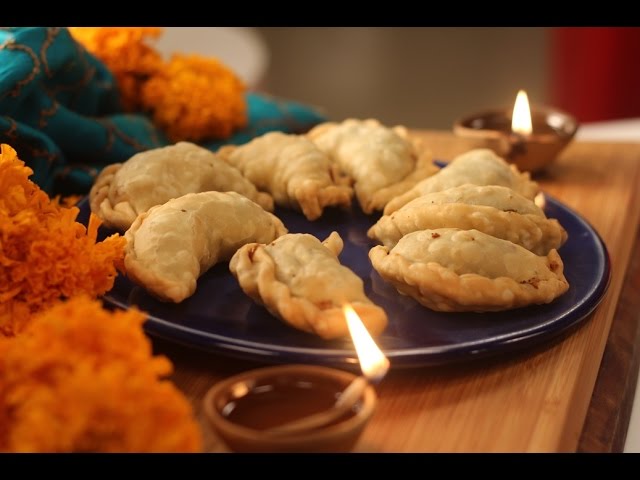
In many Patel households, sisters and daughters gather around a low wooden table as sheets of dough are rolled wafer-thin. The dough is deftly stamped into discs, filled with a sweet mixture of grated coconut, jaggery, cardamom, and chopped nuts, then folded into crescent shapes known as karanji. These are deep-fried until blistered and crisp. Meanwhile, khajlas, twists made by braiding strands of dough, are dipped in a sugar syrup spiced with saffron threads. The handiwork is a communal affair, each fold and twist a memory of shared laughter and familial bonds.
Bhajiya and Sev
Vaishnav kitchens, particularly in Surat’s Bhesanpura and Nanpura neighborhoods, focus on the savory side of the snack spectrum. Gram-flour batters infused with carom seeds, asafoetida, and chopped green chillies are ladled by careful hands into oil vats, emerging as soft-centered bhajiyas. In parallel, long strings of sev are extruded through vintage chakkis and sizzled to a delicate crunch. These golden nests, once cool, are salted and dusted with powdered chillies, a perfect partner to steaming cups of masala chai.
Women’s Circles Rekindle Cultural Threads
At the heart of Agyaras snack preparation lie mahila mandals, women’s collectives that convene in temple courtyards or community halls. Under festooned lights, these gatherings weave together prayers, chants, and cooking. Elderly aunts narrate the significance of each ingredient, linking the turmeric’s antiseptic warmth to protective blessings and the cumin’s digestive aid to wellbeing in the festive season. Younger members document these stories in phone notes and WhatsApp groups, ensuring no morsel of history is lost to time.
Marketplace Buzz and Ingredient Hunt
Local markets brim with vibrant activity. Stallholders display pyramids of besan, waggle bunches of curry leaves, and lay out trays of freshly milled rice flour. Traders of saffron from Kashmir and cardamom from Coorg see brisk business. “Agyaras is our biggest pre-Diwali rush,” remarks Rameshbhai Patel, whose gully stall in Old Surat offers a “Snack Prep Combo” pre-measured spice mixes and lentil packets for easy home-made delights.
Economic and Social Ripple Effects
Beyond the kitchen, the snack-making trend has socioeconomic impact. Demand for packaging materials, eco-friendly leaf plates and banana-leaf wrappers surges. Artisans crafting earthen diyas and brass sifters for kitchen use find renewed livelihoods. Local charities schedule Agyaras fairs where proceeds from snack stalls fund educational scholarships and community health drives.
Safety and Sustainability
With oil vats heating across neighborhoods, community leaders and fire brigades issue guidelines on safe frying practices. At the same time, eco-conscious cooks advocate for minimal plastic use and promote composting of peels and husks. Some families have taken to solar-powered chakkis and solar cookers, blending tradition with innovation.
A Sweet Beginning, A Radiant Promise
As dusk approaches on Ashwin 11, plates piled high with muthias, karanjis, and sev are ceremonially offered to gods and shared with friends. Colors of turmeric-stained hands and the tune of temple bells set the stage for the luminous crescendo of Diwali. In kitchens and courtyards alike, every crackle of frying oil is a heartbeat of heritage, reminding all that the brightest lights are lit long before Diwali’s grand finale.
By dawn of the festival, these snacks will have woven families and neighborhoods into a tapestry of memory, celebration, and promise, ensuring that when Diwali’s lamps glow on Ashwin 15, the spirit of Agyaras resonates in every gleam.
By – Sonali