


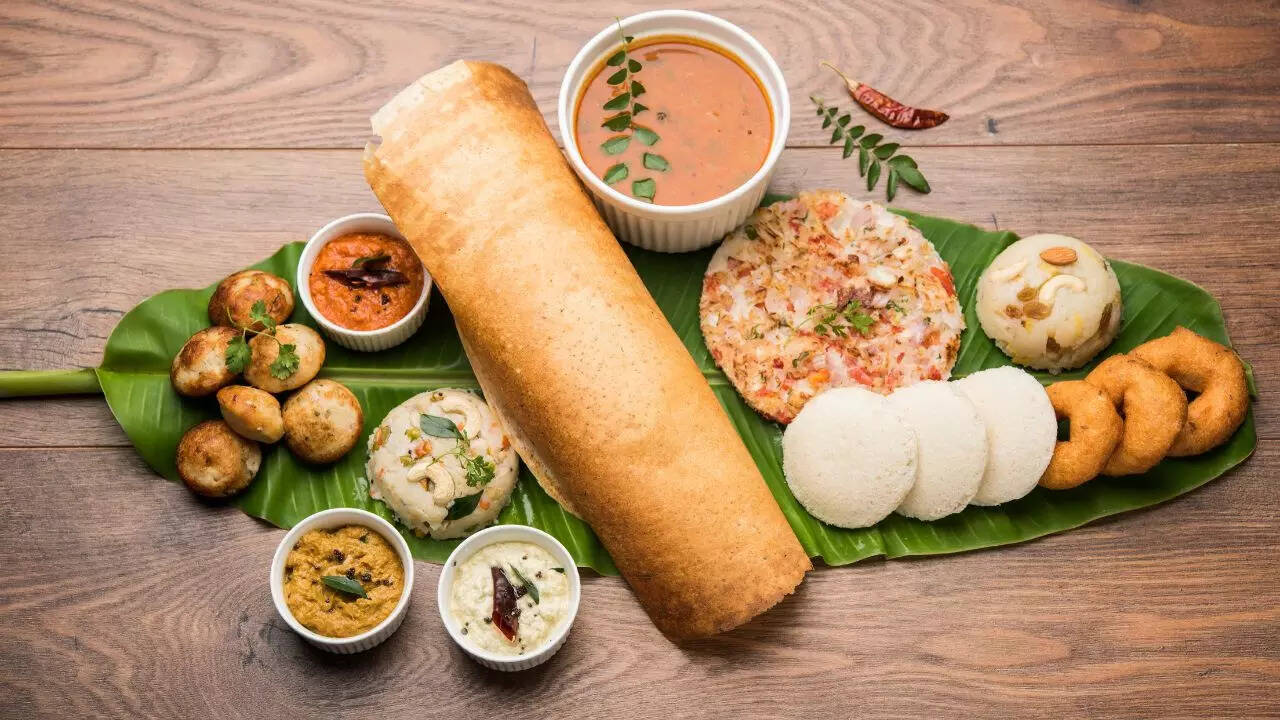
From Kerala to Punjab, Indian homes have long embraced fermented foods—not just for flavour and texture, but for how “light” and comforting they can feel after a meal. In today’s wellness conversation around the gut microbiome, many of these staples are being revisited—not as miracle cures, but as time-tested foods that add variety, tang, and fermentation-derived goodness to everyday diets.
It’s worth noting: not every fermented food is automatically “probiotic.” Some are cooked or heat-processed (which can reduce live microbes), but fermentation can still change foods in helpful ways—by breaking down components, developing organic acids, and improving flavour and digestibility.
Here are six Indian ferments that continue to show up in both traditional kitchens and modern wellness routines:
1) Idli — South India’s Steamed Fermented Staple
A breakfast favourite across the South, idli is made from rice and urad dal batter fermented overnight, then steamed into soft cakes. Fermentation helps develop its signature lightness and gentle tang—and can make the batter easier to digest for many people. Since idlis are steamed, any live cultures from fermentation may be reduced, but the fermentation by-products still contribute to taste and digestibility. Served with sambar and chutney, idli remains a go-to for simple, comforting meals.
2) Kanji — A Tangy Seasonal Fermented Drink
Kanji is a sharp, refreshing fermented drink often made with black carrots (and sometimes beetroot), mustard, salt, and spices. Popular in parts of North India, it’s traditionally enjoyed in cooler months and around festive seasons. Because it’s typically consumed unheated, kanji may retain live fermentation cultures, along with the natural compounds from vegetables and spices—making it a favourite for those who like a “tangy reset” alongside heavier meals.
3) Ambali — Fermented Ragi Drink for Summer Comfort
Found across parts of Karnataka, Odisha, and other regions, ambali (also known in some places as ragi ambli) is a fermented drink made from finger millet (ragi) or sometimes rice-based mixes. Light, mildly sour, and hydrating, it’s often used as a summer staple. People value it for being filling yet gentle—especially when appetite dips in hot weather.
4) Traditional Achaar — When Pickles Are Truly Fermented
Not all pickles are fermented. Many modern pickles are vinegar-based or cooked in oil, which boosts shelf-life but may not preserve live cultures. Traditional salt-fermented, sun-fermented achaar (made carefully with clean utensils and proper salting) can develop natural fermentation—and may retain live microbes if not heat-processed. Whether it’s mango, lemon, chilli, or garlic, the key is moderation: pickles can be high in salt, so a little goes a long way.
5) Dhokla — A Fermented Favourite (Version-Dependent)
Dhokla is often described as fermented, but the method varies. Some home recipes use fermentation (with time, souring, or starter cultures), while many quick versions rely on leavening agents for the airy texture. Either way, the end product is steamed—so it’s best to present dhokla as a light, easy snack with fermentation-inspired texture, rather than guaranteeing “probiotics.” Paired with chutney, it remains a widely loved breakfast/snack across India.
6) Pakhala / Poita Bhat — Overnight Fermented Rice Traditions
Across eastern and northeastern India, pakhala bhaat (Odisha/Bengal) and poita bhat (Assam and nearby regions) are simple: cooked rice soaked overnight in water, allowing mild fermentation. Typically eaten cool with salt, mustard oil, green chillies, onions, or raw vegetables, it’s prized as a summer comfort food—especially in hot, humid months. Since it’s eaten without reheating, it may retain more of the fermentation activity than cooked ferments.
Why Fermented Foods Still Matter
Fermented foods aren’t magic bullets—but they can be practical, affordable additions to everyday diets. They offer flavour, variety, and often feel gentler than heavier foods. If you’re new to ferments or have a sensitive gut, it’s smart to start with small portions and see what suits you. And as always with homemade ferments, clean preparation and safe storage matter.
From the tang of kanji to the comfort of pakhala and the familiarity of idli, India’s fermented repertoire shows how culinary heritage can stay relevant—one delicious, traditional bite at a time.
By – Sonali