


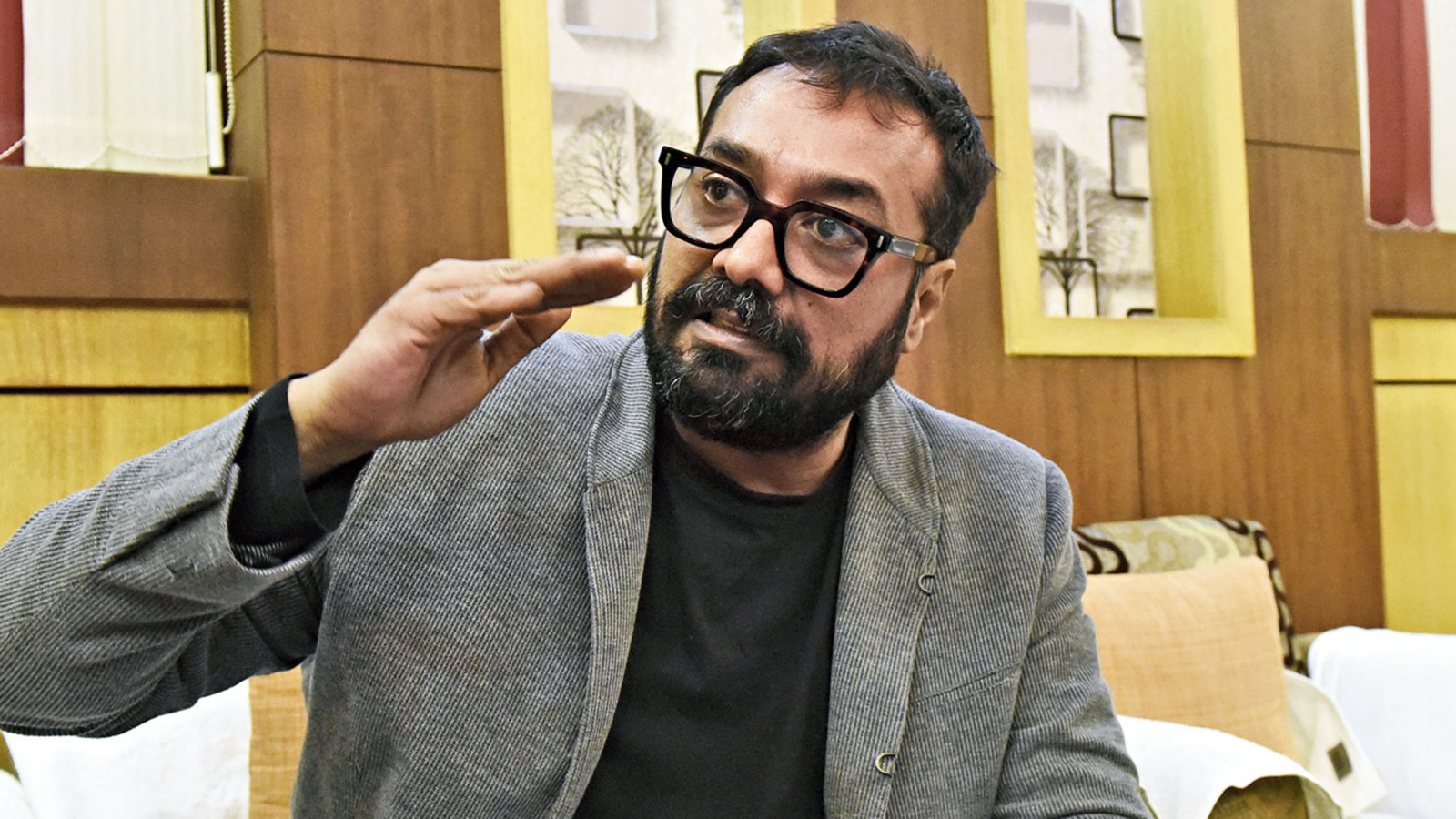
Filmmaker Anurag Kashyap, known for gritty classics like Gangs of Wasseypur, labeled pan-India filmmaking a “massive scam” during The Hindu Huddle 2025 in Bengaluru on May 9, 2025. Speaking to audiences in India and sparking global debates, he criticized the trend’s reliance on bloated budgets and formulaic storytelling, driven by the success of films like Baahubali and RRR. Kashyap’s remarks, widely discussed on X, challenge the industry’s obsession with chasing Rs 800-1,000 crore box-office figures.
In This Article:
What Makes Pan-India a “Scam”?
Kashyap argues that the “pan-India” label—films released in multiple Indian languages to target a nationwide audience—is misused. “A film is pan-India only if it performs pan-India,” he said, not before production begins. He claims the trend fuels unsustainable practices: films take 3-4 years to make, with crews depending on inflated budgets for their lifestyles. Much of the money goes into “massive, unreal sets” rather than storytelling, with only 1% succeeding—like Pushpa 2 or KGF. This cycle, Kashyap warns, sacrifices narrative depth for spectacle, citing a decline in originality since Baahubali’s 2015 success.
The Industry’s Formulaic Trap
Kashyap points to a pattern: one hit spawns imitations. After Uri (2019), nationalistic films flooded the market; post-KGF, action epics surged; Stree 2 (2024) birthed horror-comedies. “Everybody is chasing that elusive Rs 800-1,000 crore,” he noted, but only 5-6 films in five years have crossed Rs 900 crore, despite India producing 1,000 films annually. Filmmakers, he claims, compensate for weak scripts by inserting “items” every few minutes, blaming shrinking audience attention spans. This formulaic approach, Kashyap argues, dumbs down cinema, prioritizing flash over substance.
SS Rajamouli: The Exception
Kashyap singles out SS Rajamouli as a rare success, praising his global fanbase built since Eega (2012). He predicted RRR’s 2022 breakout, noting its appeal drew international filmmakers to its sets. While Baahubali was too lengthy for some, “every cinephile has seen it.” Rajamouli’s storytelling, Kashyap argues, transcends the pan-India formula, blending scale with substance—unlike imitators who chase his model without his vision.
Impact and Industry Reflection
Kashyap’s critique, echoed on X, resonates amid India’s evolving cinema landscape. Posts call his remarks a “wake-up call,” though some defend pan-India hits for employing thousands. With only 1% of these films succeeding, as Kashyap claims, the industry risks financial losses and creative stagnation. His solution: prioritize storytelling over spectacle. As debates rage, Kashyap’s voice urges filmmakers to rethink the pan-India model, fostering authentic narratives over manufactured blockbusters.
-By Manoj H