


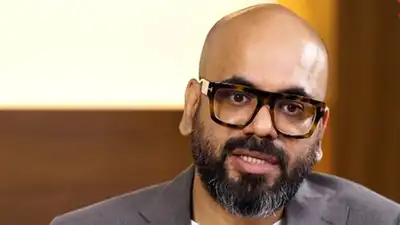
The trailer for Aditya Dhar’s upcoming spy thriller ‘Dhurandhar’ has ignited a firestorm of debate online, with filmmaker Suparn S. Varma stepping in to defend the controversial content. The issue at the heart of the discussion is not new to Bollywood: the perceived hypocrisy in how Indian films are scrutinized compared to their international counterparts. Varma’s public support has reignited the conversation about artistic freedom, censorship standards, and the unequal treatment of Hindi cinema in the global context.
The Controversy Erupts
The ‘Dhurandhar’ trailer, featuring Ranveer Singh, Akshaye Khanna, Arjun Rampal, R. Madhavan, and Sanjay Dutt, dropped on November 18 and immediately drew intense online backlash. The four-minute promotional clip contains several graphic scenes, most notably a disturbing torture sequence where a man is shown with multiple fishhooks pierced through his body, and another brutal moment in which Akshaye Khanna’s character crushes someone’s head with a stone. These violent depictions sparked immediate controversy, with popular YouTuber and commentator Dhruv Rathee launching a scathing attack on the filmmaker, comparing the visuals to ISIS propaganda videos and accusing Aditya Dhar of “crossing a limit of cheapness in Bollywood.”
Rathee’s criticism didn’t stop at artistic concerns. He argued that the director prioritized shock value and commercial profit over social responsibility, suggesting that the extreme gore was designed to desensitize young audiences and glorify torture. He called upon the Central Board of Film Certification (CBFC) to scrutinize the violent content, highlighting the perceived inconsistency in censorship where intimate scenes face stricter intervention than graphic violence.
The Defense: A Call for Equal Standards
Rather than backing down, the film industry has begun defending the creative vision. Suparn S Varma, known for his critically acclaimed courtroom drama ‘Haq’ (which recently saw a 100% growth on its second day at the box office), publicly rallied behind Aditya Dhar through an Instagram Story. Varma’s defense was unequivocal and pointed directly at what he perceives as systemic bias in how Indian cinema is judged.
“I’m just amazed by some of the chatter about the violence in #Dhurandhar the same viewers would have called it cinematic brilliance if this was in any other language or a Korean or Japanese film,” Varma wrote, emphasizing the double standard that haunts Hindi cinema. He further articulated his position: “It’s high time we started to celebrate Hindi cinema and its filmmakers with the same passion we celebrate all makers and films. Each filmmaker comes with his/her unique voice and identity and background & I have been left spellbound by the world and characters created by @adityadharfilms and his amazing team.”
This defense raises an important question about artistic expression: why does violence in Korean action thrillers or Japanese anime receive praise for their stylistic intensity, while the same aesthetic choices in Hindi cinema attract accusations of sensationalism and irresponsibility?
The Broader Context
Suparn Varma’s intervention reflects a growing frustration within the Hindi film industry regarding the international treatment of Indian storytelling. The controversy surrounding ‘Dhurandhar’ is not merely about the violence depicted in the trailer; it encompasses deeper questions about cultural hierarchies in global cinema discourse and the standards applied to different film industries.
‘Dhurandhar’ is positioned as a gritty spy thriller set in Pakistan and is backed by Jio Studios, with its theatrical release scheduled for December 5, 2025. The film’s narrative reportedly draws from real events, specifically the story of Major Mohit Sharma, who received the Ashok Chakra for his covert operation in 2004. Understanding this context that the violence is rooted in historical events adds another dimension to the debate about how such stories should be depicted on screen.
Divided Public Opinion
Despite the backlash from critics like Dhruv Rathee, a significant portion of the audience has praised the trailer for its unapologetic dark tone and scale. Supporters argue that the boldness of the visuals adds authenticity to a film dealing with terrorism and espionage, genres inherently characterized by conflict and brutality. Meanwhile, others remain concerned about the potential desensitizing effects of such graphic content, particularly given its accessibility in promotional materials viewed across social media platforms.
Where the Debate Stands
The ‘Dhurandhar’ controversy has crystallized a recurring tension in Bollywood: the question of whether Indian filmmakers are held to different standards than their international peers. Varma’s defense, while articulate, underscores a legitimate grievance within the industry that violence framed as “gritty realism” in Western or Asian cinema is often labeled as exploitative when presented in Hindi films.
As the film prepares for its December 5 release, the conversation about violence in cinema, artistic responsibility, and the international double standards facing Indian cinema shows no signs of abating. What began as backlash against a trailer has evolved into a national discussion about how cinema should tell difficult stories and whether Hindi filmmakers deserve the same creative freedom afforded to their global counterparts.
By – Sonali