


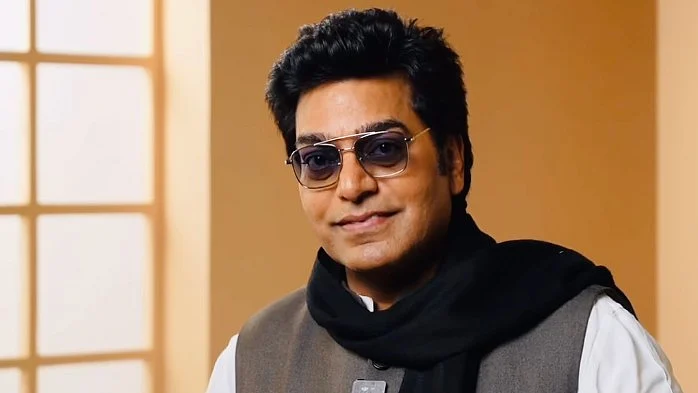
Veteran actor Ashutosh Rana, celebrated for his nuanced portrayals in films like Sangharsh and Dhaak, recently delved into profound reflections on Lord Ram, Ravana, Lord Krishna, and spirituality during a series of interviews in early October 2025. Speaking ahead of Dussehra on October 2, Rana emphasized the Ramayana’s timeless wisdom, portraying Ravana not as a mere villain but a “perfect paradox” of ego and enlightenment. In conversations, the 60-year-old actor, who played Ravana in the stage play Humare Ram, highlighted how these figures embody inner balance, urging audiences to embrace their “enlightened Ravana” for personal growth. His insights, shared from Mumbai, resonate in India’s diverse 780-language cultural tapestry, blending mythology with modern self-reflection. Ravana: The Wise Antagonist and Symbol of Ego’s Fall Rana’s portrayal of Ravana in Humare Ram, performed at Kamani Auditorium in Delhi, reimagines the demon king as a scholar whose downfall was his ego, not inherent evil. “Ravana was a Shiv bhakt, knowledgeable, and wise—he chose Ram as an enemy to achieve eternal connection,” Rana told . He views Ravana’s ten heads as vices like ego (ahamkara) and anger (krodh), with his defeat symbolizing liberation (moksha). “His end was the end of his ego, a conclusion of his spiritual journey,” Rana explained, adding that we all harbor “Ram and Ravana within.” This perspective challenges binary hero-villain tropes, portraying Ravana as a “perfect paradox”—evil yet leading to enlightenment. Rana’s performance, with 160 shows since 2024, has drawn standing ovations, blending satire with depth. Lord Ram: The Path of Balance and Dharma For Rana, Ram represents equilibrium between rationality (yukti), devotion (bhakti), and power (shakti). In Humare Ram, Rahul Bhuchar’s Ram embodies unity, guiding audiences toward “Ram Rajya”—an ideal society of justice. “Ram shows the path of balance, freeing us from dilemmas,” Rana said . He interprets Ram’s exile as a lesson in detachment, contrasting Ravana’s attachment to Sita. “We all have Ram and Ravana in us—if we practice Ram’s virtues, the negative Ravana dies, birthing an enlightened one,” he added. This philosophy, drawn from Tulsidas’s Ramcharitmanas, promotes societal upliftment over individual elevation, making Ramayana relevant for 2025’s polarized world. Lord Krishna: The Eternal Guide to Selfless Action Rana’s spiritual discourse extends to Krishna, whom he sees as the ultimate strategist of selfless karma. “Krishna in the Bhagavad Gita teaches action without attachment, much like Ram’s dharma,” he reflected in Outlook India. Krishna’s role in the Mahabharata—guiding Arjuna through moral confusion—mirrors modern dilemmas. Rana credits Krishna’s teachings for his acting philosophy: “Erase the self to let the character live.” This aligns with his book Ram Rajya, interpreting Krishna as a unifier, not a warrior, emphasizing ethical living over conquest. Spirituality: A Journey of Inner Conquest Rana’s views on spirituality transcend mythology, advocating self-erasure for enlightenment. “To know Ram, see through Ravana’s eyes—opposites connect eternally,” he told . In a 780-language diverse India, his insights promote unity, urging practice of Ram’s humility and Krishna’s detachment. Dussehra’s effigy burning, for Rana, symbolizes slaying inner demons, fostering societal harmony. A Timeless Echo Ashutosh Rana’s reflections on Ram, Ravana, and Krishna aren’t mere anecdotes—they’re a call to inner victory. As Dussehra nears, they ask: Can mythology mend modern divides? Rana’s answer, through art and wisdom, is a resounding yes, illuminating spirituality’s eternal path.
-By manoj h