


Guwahati, Feb 11 (PTI) Most of the Muslim-majority districts of Assam registered an increase in the number of voters in the final list published after Special Revision (SR) compared to the draft roll, while other districts, including those with higher tribal population, largely recorded a dip.
As per district-wise data shared on the state chief electoral officer’s website, out of 35 districts in the state, 24 registered a dip in final voters’ figures against 11 recording an increase. The change in the figures ranged from a few hundred to over 30,000.
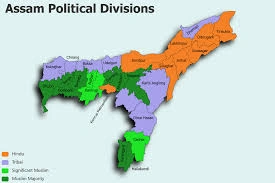
The number of electors in the three hills’ districts and the five under the Bodoland Territorial Region (BTR), with a majority tribal population, declined, as did the two Kamrup districts – Kamrup and Kamrup (Metropolitan) in which Guwahati is located.
While two of the three Barak Valley districts saw a decline in the final electoral roll, one reported an increase in it.
Out of four districts in the central part of the state, all of which have a sizeable Muslim population, two saw a rise in the voters’ figure in the final list compared to the draft roll.
The Election Commission had published the final voters’ list for poll-bound Assam on Tuesday with over 2.43 lakh names deleted from the draft rolls.
At the end of claims and objections as part of SR, the final roll has a total of 2.49 crore voters, a decrease of 0.97 per cent from the draft roll.
The number of voters in the final list in Muslim-majority districts of western or lower Assam, like Dhubri, South Salmara, Goalpara and Barpeta, has increased, with a rise in the range of around 200 in South Salmara to over 25,000 in Barpeta.
Similarly, in central Assam, Darrang and Hojai recorded a dip, while Morigaon and Nagaon saw a rise in the number of voters.
Of the three Barak valley districts in the southern part, which are Bengali-speaking majority with sizeable population of both Hindus and Muslims, Cachar and Sribhumi reported a dip in voters’ number and Hailakandi showed an increase.
The three hill districts, Dima Hasao, Karbi Anglong and West Karbi Anglong, which come under the Sixth Schedule, reported a decline in the number of voters in the final list.
The five districts under the BTR, also under the Sixth Schedule, also saw a decrease in the electoral strength compared to the draft roll.
Kamrup and Kamrup Metropolitan, which has the state’s largest city Guwahati, also recorded a dip in the final electoral roll.
Among the 11 districts located in eastern or upper Assam and adjoining northern banks of the Brahmaputra, as many as 10 saw the number of voters going down after the SR.
Only Majuli registered an increase of about 100 voters in the final list.
The SR exercise had stirred much controversy in the state, with opposition parties alleging that it was being used for “vote theft” and genuine citizens, particularly of a religious minority community, were being harassed during the process.
The CM had earlier indicated that only ‘Miyas’ were being served notices during the SR process as a tactic to “keep them under pressure”, and said that more than 5 lakh complaints were filed by BJP workers against “illegal Bangladeshis”.
‘Miya’ is originally a pejorative term used for Bengali-speaking Muslims in Assam and the non-Bengali speaking people generally identify them as Bangladeshi immigrants. In recent years, activists from the community have started adopting this term as a gesture of defiance. PTI SSG NN
Category: Breaking News
SEO Tags: #swadesi, #News, Assam voter list: Muslim-majority districts record rise in number; tribal-dominated ones log dip