


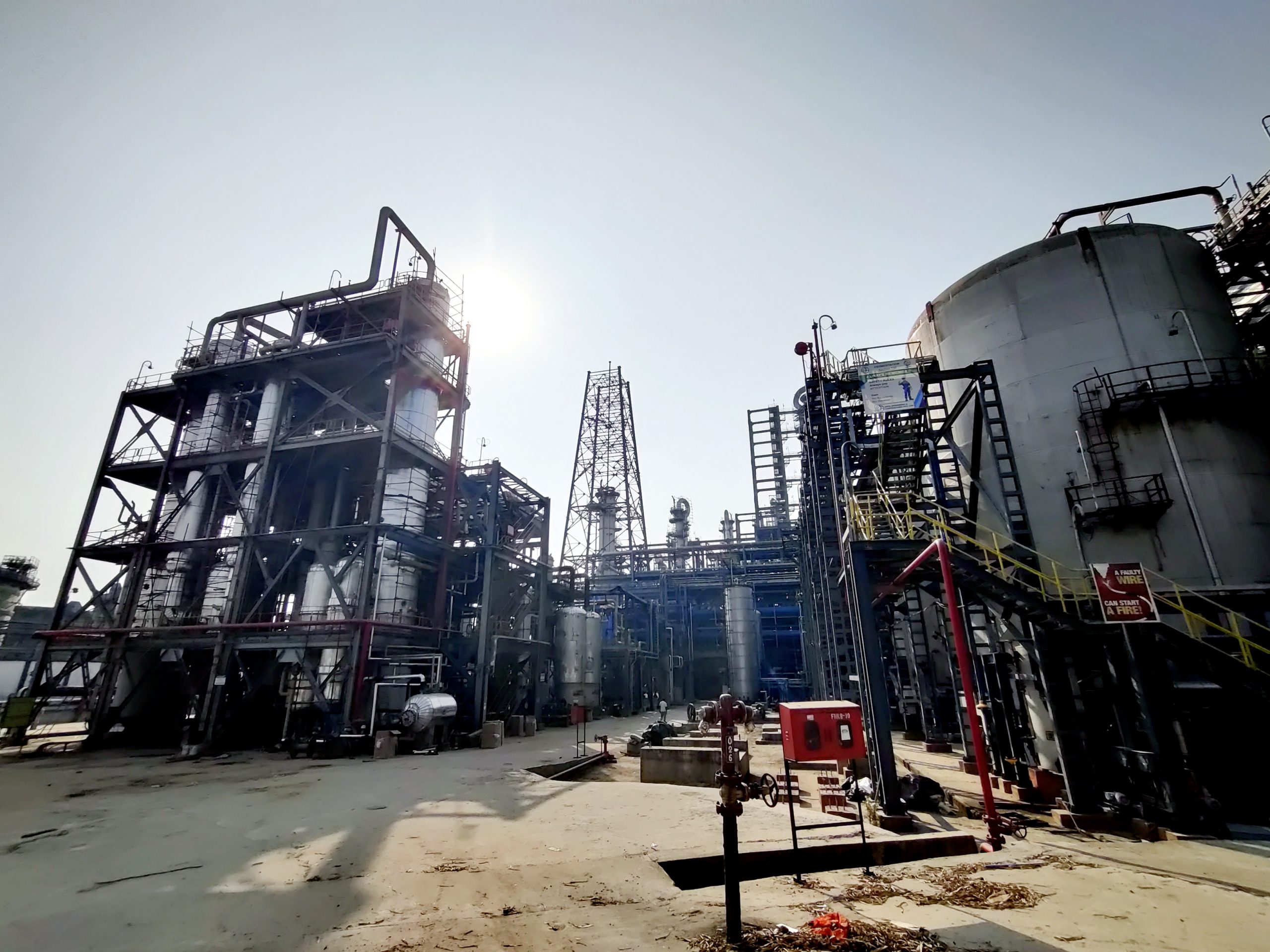
Numaligarh (Assam), Feb 17: Assam Bio Ethanol Pvt Ltd (ABEPL) is looking to partner with more than 30,000 farmers over the next three years to source bamboo for its second-generation bioethanol plant at Numaligarh, a senior official said.
The Rs 4,930-crore facility, inaugurated by Prime Minister Narendra Modi in September last year, is currently in the stabilisation phase with limited availability of raw material, ABEPL Chief Executive Officer Rupjyoti Hazarika said. “We are going through the start-up phase. Within around next week, we should be able to stabilise the plant. Thereafter, we will go for full-scale production,” he said.
Located in Golaghat district, the unit is a commercial second-generation bioethanol plant that uses bamboo as feedstock, unlike first-generation ethanol plants that use food-based biomass such as sugarcane and maize.
Apart from ethanol, the plant is designed to produce 19,000 tonnes of furfural, 11,000 tonnes of acetic acid, 32,000 tonnes of liquid CO2 and 25 MW of green power annually. During trial runs, the unit produced fuel-grade ethanol with 99.7 per cent purity, the CEO said, adding that the usual benchmark is 99.5 per cent.
To achieve full output, the plant will require about five lakh tonnes of green bamboo annually. Hazarika said the company estimates it will need bamboo plantations across 12,500 hectares, involving around 60 lakh saplings over the next three years.
ABEPL has already registered over 4,200 farmers and is targeting sourcing across a 300-km radius. The company has transferred Rs 2.4 crore directly to farmers’ accounts for bamboo procurement without middlemen, he said. The sourcing zone includes 16 districts in Assam, four in Arunachal Pradesh, five in Nagaland and one in Meghalaya.
At present, bamboo cultivation is underway on around 300 hectares with registered farmers, and the company has distributed one lakh saplings—mostly to institutional players such as tea gardens. With the government allowing up to five per cent of tea garden land for non-tea use, several owners have expressed interest in bamboo cultivation, Hazarika said, adding that the focus is on non-crop, barren and unused land.
Hazarika said that when bamboo is sourced from 12,500 hectares, ABEPL would become carbon neutral. Bamboo is processed into chips of about 25 mm for ethanol production, and no specific bamboo variety is required. The company has identified 24 chipping units across four districts in the first phase, has signed agreements with eight, and four have begun supplying chips.
At full-scale operations, ABEPL is expected to be the largest consumer of bamboo in the Northeast. The project is positioned as a zero-waste facility that utilises all parts of bamboo and is estimated to give a Rs 200-crore boost to the rural economy in Assam.
ABEPL is a joint venture promoted by state-run Numaligarh Refinery Ltd (NRL) and Finland-based Fortum 3 BV and Chempolis Oy.
By Juhi | With inputs from PTI