


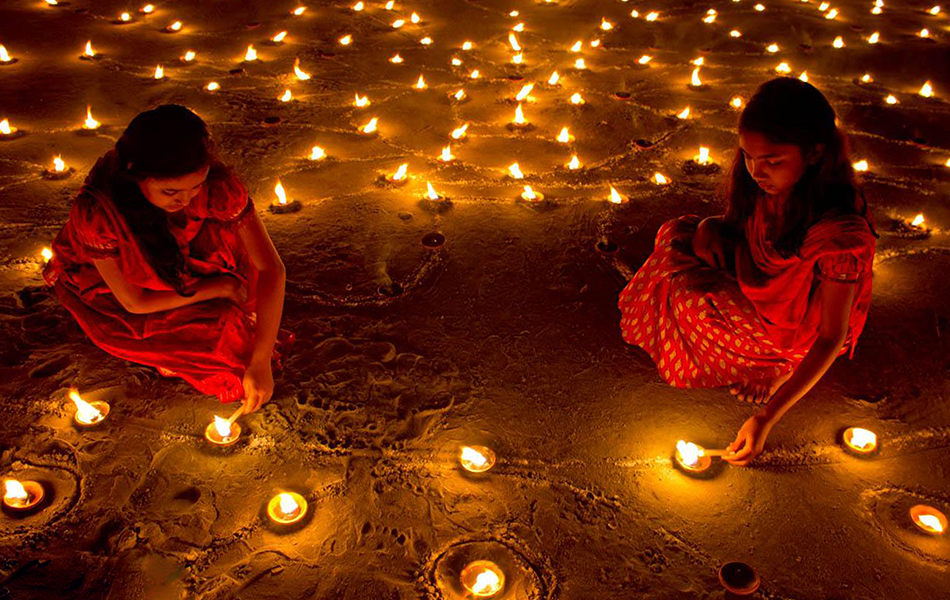
As dusk fell over Gujarat’s vibrant villages and towns this week, the air crackled with anticipation. Families gathered in courtyards and on rooftops, placing earthen lamps in intricate patterns. This was the festival of Badhausar, Gujarat’s unique take on Diwali, an evening when age-old traditions merge with hope for tomorrow.
A Time for Renewal
Badhausar, literally meaning “good light,” marks the transition from the dark Choth Amavasya to the luminous festival of Diwali. Unlike the pan-Indian practice of actively worshipping Lakshmi on New Moon night, Gujaratis observe Badhausar one day earlier, focusing on community ties and family harmony. The evening begins with a ceremonial cleaning of homes and businesses, symbolizing the sweeping away of misfortune and inviting prosperity into every corner.
“It’s less about rituals and more about collective optimism,” explained Dr. Mehul Shah, cultural anthropologist at Gujarat University. “Badhausar strengthens neighborhood bonds as people help each other prepare, share sweets, and celebrate together.”
Homes Aglow with Tradition
By 6 pm, lanes across Ahmedabad, Surat, and smaller towns like Vadnagar transformed into rivers of flickering light. Clay diyas were placed on windowsills, doorsteps, and along boundary walls, their flames dancing against the deep blue sky. Flower garlands and rangoli designs added bursts of color, each pattern reflecting local artistry passed down through generations.
Local potter families report selling out their annual diya stock weeks in advance. “We see a rush unlike any other festival,” noted Rajendra Patel of Surat’s Mahadev Pottery. “Customers come not just for lamps but for handcrafted tea-light holders shaped like lotus flowers or peacocks.”
Sweets, Savories, and Social Sharing
No Gujarati festival is complete without an array of delicacies. Badhausar feasts feature sweets such as ghari, a traditional puri filled with mawa and dry fruits, and chakri, a spiral-shaped savory snack seasoned with sesame and ajwain. Households open their doors to neighbors, offering plates of mithai and sharbat, reinforcing the spirit of sharing.
“In our compound, we exchange boxes of ghari with each other,” said Sunita Desai, a resident of Vadodara. “It’s a gesture of goodwill, sweetness shared is sweetness multiplied.”
Cultural Performances Illuminate the Night
Villages organize folk performances immediately after sunset. Garba dancers clad in brightly embroidered chaniya cholis whirl to the beat of dhol and tabla, while local troupes enact short skits about age-old legends. This blend of music and theatre recalls Gujarat’s rich cultural tapestry, weaving myth into modern celebration.
In Jamnagar district, a specially commissioned street play depicted the story of King Bali and Vamana avatar, illustrating themes of humility and divine grace. Audiences watched under the glow of lantern-lit pandals, applauding the fusion of drama and devotion.
Safety, Sustainability, and Modern Practices
With rising awareness of environmental impacts, many communities are opting for eco-friendly practices. Biodegradable diyas made from cow dung, organic rangoli powders, and LED string lights have gained popularity. Municipal corporations across cities have also increased street cleaning schedules to clear debris left by celebrations.
“Badhausar shows Gujarat’s ability to adapt tradition responsibly,” said Nisha Mehta, director of a local environmental NGO. “These green initiatives ensure future generations can enjoy the festival without compromising the planet.”
Looking Ahead: Unity in Light
As midnight approached, most diyas burned low, their gentle glow emphasizing the festival’s central message: solidarity in light. While fireworks are more subdued compared to other regions, the emphasis on illumination both literal and metaphorical, unites communities in a shared vow to dispel darkness in the months ahead.
Badhausar may be rooted in ancient custom, but its enduring appeal lies in the promise of renewal it brings each autumn. Families across Gujarat return to their homes, hearts warmed by the collective light, ready to embrace new beginnings.
In the days that follow, as the lamps are extinguished and homes return to routine, the memory of Badhausar remains, an ember of hope that kindles throughout the year.
By – Sonali