


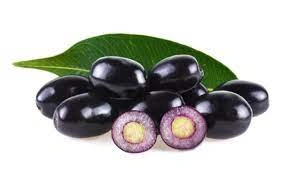
The humble jamun grown in Bahadoli village of Maharashtra’s Palghar district is drawing national attention after its distinctive quality and traditional cultivation practices earned it formal recognition. Popularly known as Bahadoli Jamun, the fruit has emerged as a symbol of indigenous farming knowledge, sustainable agriculture, and livelihood security for tribal communities in the region.
A Jamun with a Distinct Identity
Bahadoli Jamun stands apart from other varieties found across India due to its larger size, deep purple hue, thick pulp, and balanced sweet-astringent taste. Locally grown in the hilly and forest-rich terrain of Palghar, the fruit is known for its high juice content and minimal seed size, making it particularly popular among consumers and traders.
What truly distinguishes Bahadoli Jamun is the unique agro-climatic condition of the region. The lateritic soil, monsoon-fed cultivation, and natural forest ecosystem contribute to the fruit’s flavour and nutritional richness.
Geographical Indication Recognition
The growing popularity of Bahadoli Jamun received a major boost after it was granted Geographical Indication (GI) tag status in 2024, officially linking the fruit’s identity to its place of origin. The GI recognition helps protect the produce from imitation and ensures that only jamuns grown in the specified region can be marketed under the Bahadoli name.
Agricultural experts say the GI tag is a significant milestone, as it not only preserves the fruit’s authenticity but also strengthens the economic prospects of local farmers.
Backbone of Tribal Livelihoods
Bahadoli Jamun cultivation is largely undertaken by Warli and other tribal communities in the Palghar district. For decades, jamun trees have grown naturally in forest areas, with minimal chemical intervention. Harvesting is still done using traditional methods, often involving skilled climbers who pluck the fruit carefully to avoid damage.
For many families, jamun season provides a critical source of seasonal income. Local cooperatives and self-help groups have played a key role in organizing farmers, improving market access and ensuring better price realization.
Rising Market Demand
In recent years, Bahadoli Jamun has seen increasing demand in urban markets such as Mumbai, Thane and Pune. The fruit is sold fresh and also processed into value-added products like jamun pulp, squash, vinegar, seed powder, and health supplements.
Nutritionists highlight jamun’s benefits in managing blood sugar levels, boosting digestion, and improving immunity, further driving demand among health-conscious consumers.
Role of Government and Institutions
State agriculture departments, horticulture boards, and research institutions have extended support through training programs, grading facilities, and cold storage solutions. Efforts are also underway to promote jamun-based processing units at the village level, enabling farmers to earn beyond raw fruit sales.
Officials say branding and better supply chain infrastructure are essential to ensure that farmers fully benefit from the GI status.
Challenges on the Ground
Despite its success, Bahadoli Jamun faces challenges such as short shelf life, erratic monsoons, and limited post-harvest infrastructure. Farmers have also raised concerns about fluctuating prices and lack of direct access to larger markets.
Experts suggest that improved logistics, farmer-producer organizations (FPOs) and digital marketing platforms could help overcome these hurdles.
Looking Ahead
With GI recognition and growing consumer awareness, Bahadoli Jamun is poised to become a flagship indigenous fruit of Maharashtra. Stakeholders believe that sustained policy support, branding initiatives, and community participation can turn this traditional forest produce into a long-term economic asset.
As Bahadoli Jamun finds its place on premium fruit shelves, it stands as a reminder that India’s agricultural future lies as much in its local knowledge systems as in modern innovation.
By – Sonali